PROTECTED AREAS
PROTECTED AREAS WITHIN THE PILLANMAPU GEOPARK
The Pillanmapu Geopark encompasses a diverse network of protected areas that safeguard some of the most valuable ecosystems and geosites in the Maule mountain range. Within its territory coexist public and private conservation areas: the Altos de Lircay National Reserve, five private parks (Tricahue, Peumayén Tenglo, Piedras Blancas, Quizapu, and Salto La Placeta), and two National Protected Assets, Laguna del Maule and Potrero Lo Aguirre. Together, these spaces form a mosaic of protection that ensures the preservation of heritage and the harmonious coexistence between nature and the community.
PUBLIC PROTECTED AREAS
Public protected areas represent the formal pillars of territorial conservation. The Altos de Lircay National Reserve and the Laguna del Maule and Potrero Lo Aguirre National Protected Areas safeguard key ecosystems, watersheds, geosites of high scientific value, and emblematic landscapes of the Maule mountain range. These areas promote the protection of natural heritage under state administration and are essential sites for research, environmental education, and responsible tourism.
Discover the Altos de Lircay National Reserve
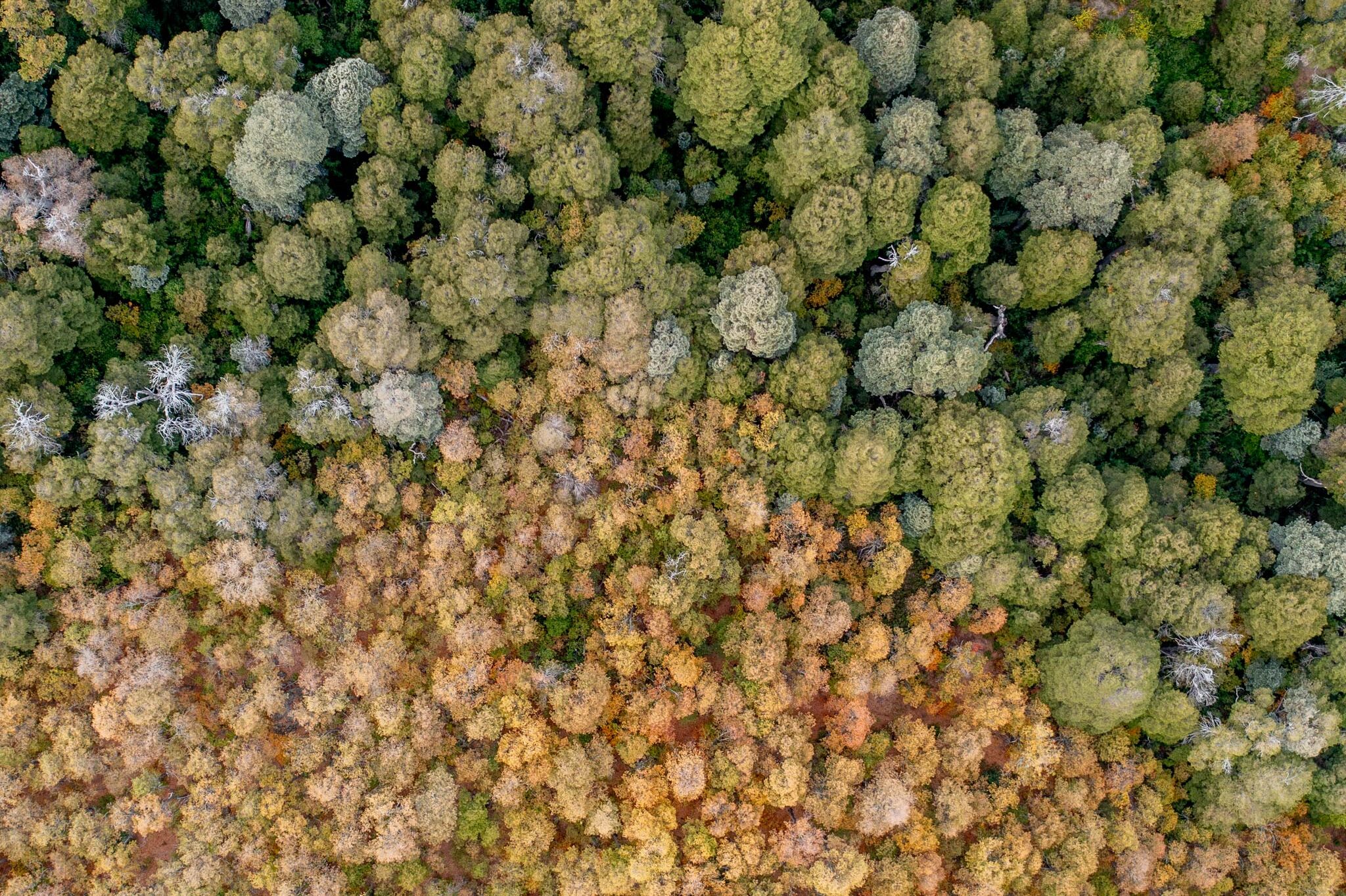
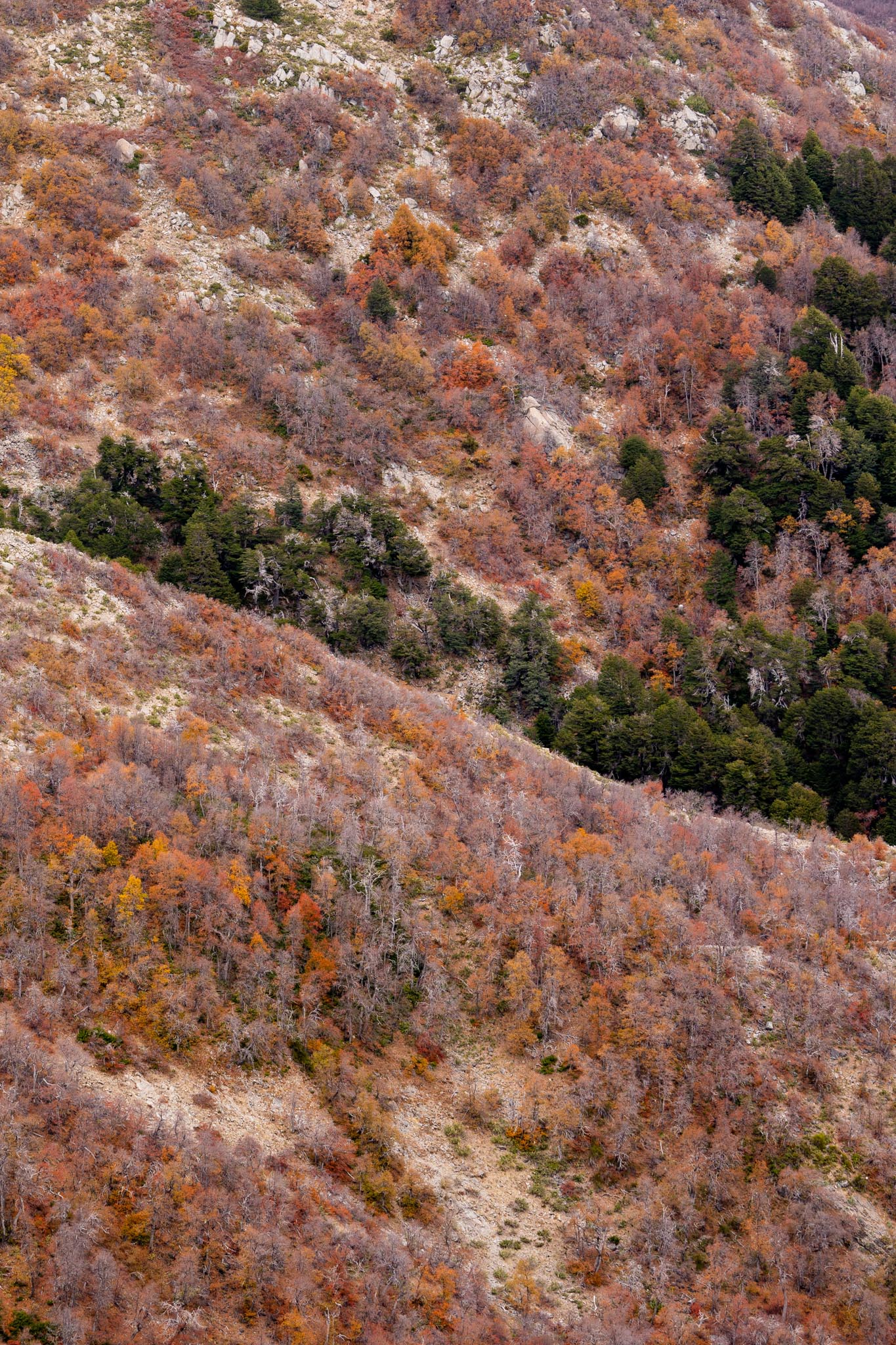
The Altos de Lircay National Reserve is one of the most emblematic natural areas of the Pillanmapu Geopark, where the Maule Andes display all their biological and geological diversity. The journey begins amidst forests of Nothofagus such as oaks, coigües and lengas, the latter being the lenga (Nothofagus pumilio), the species that reaches its northernmost distribution limit here. The reserve also harbors populations of the monito del monte (Dromiciops gliroides), considered a living fossil and one of the most unique mammals in South America.
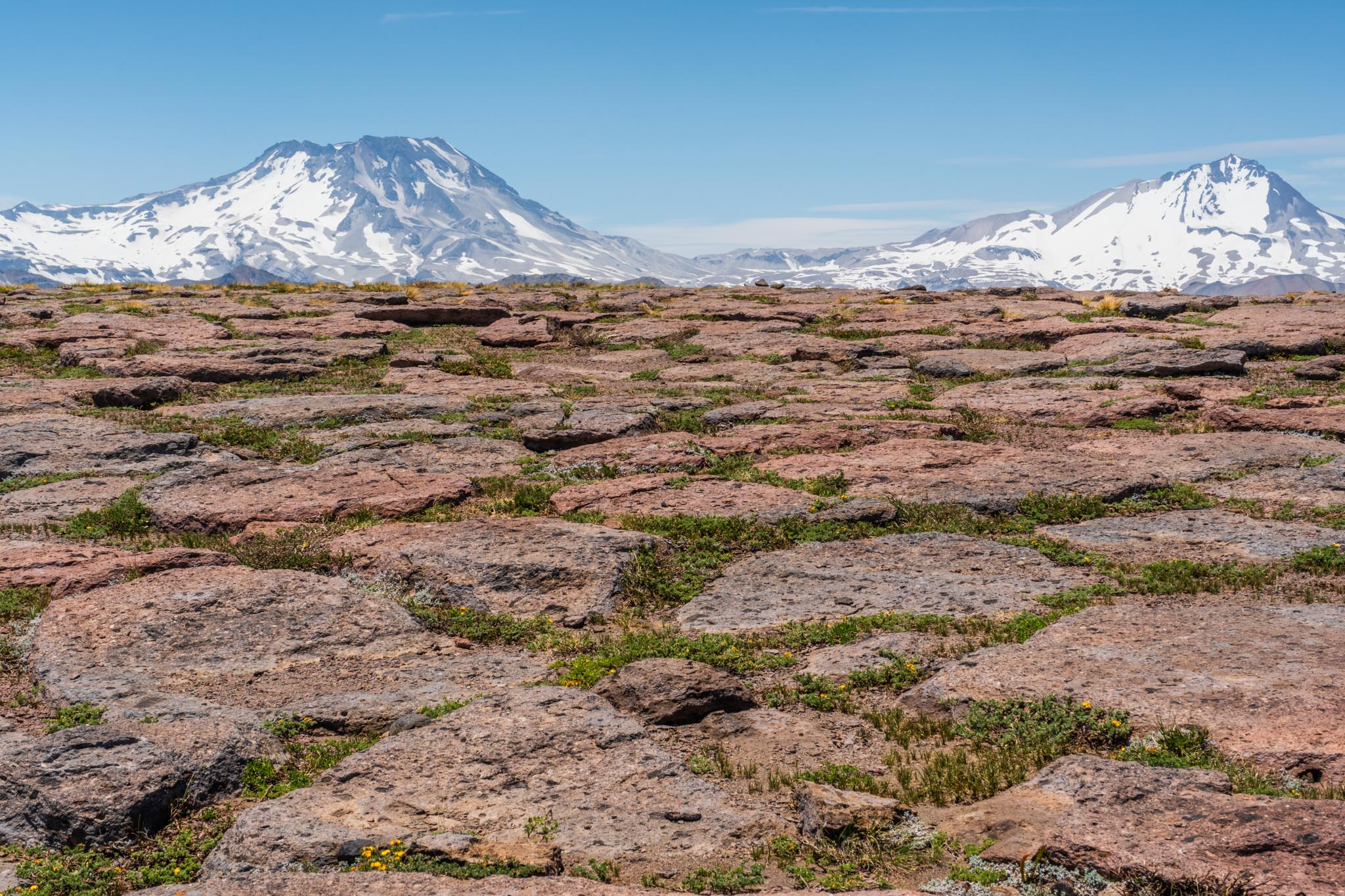
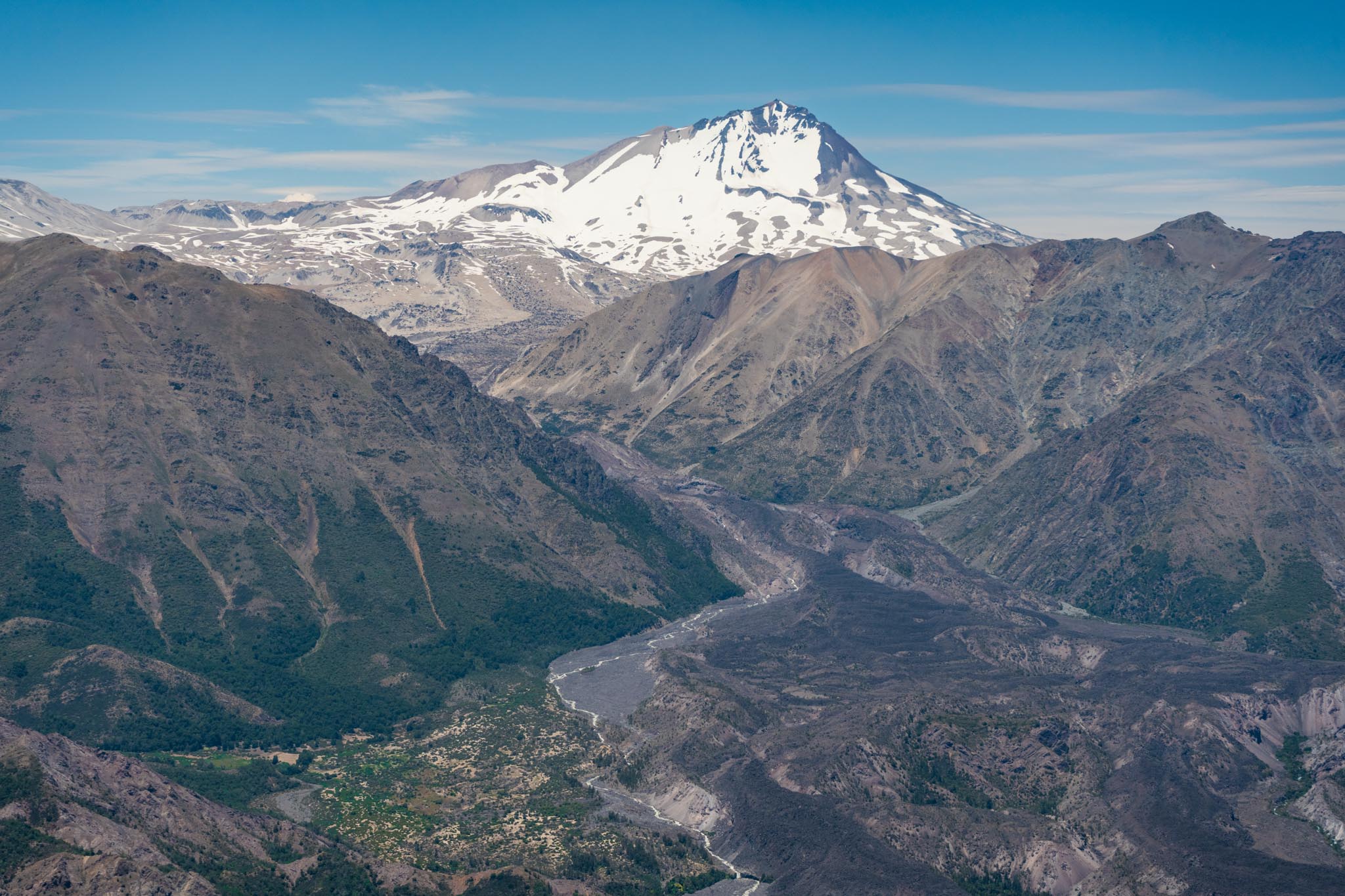
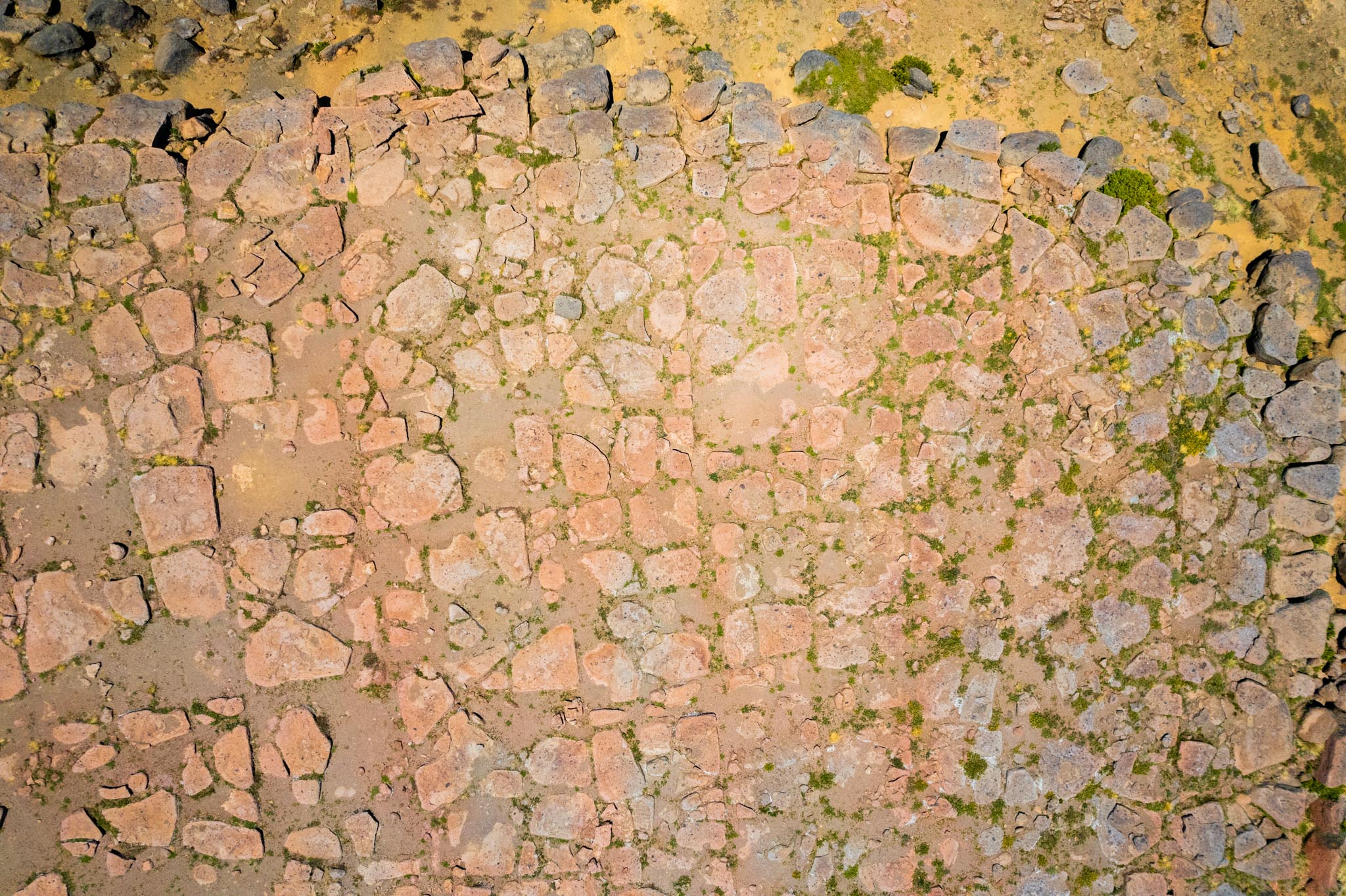
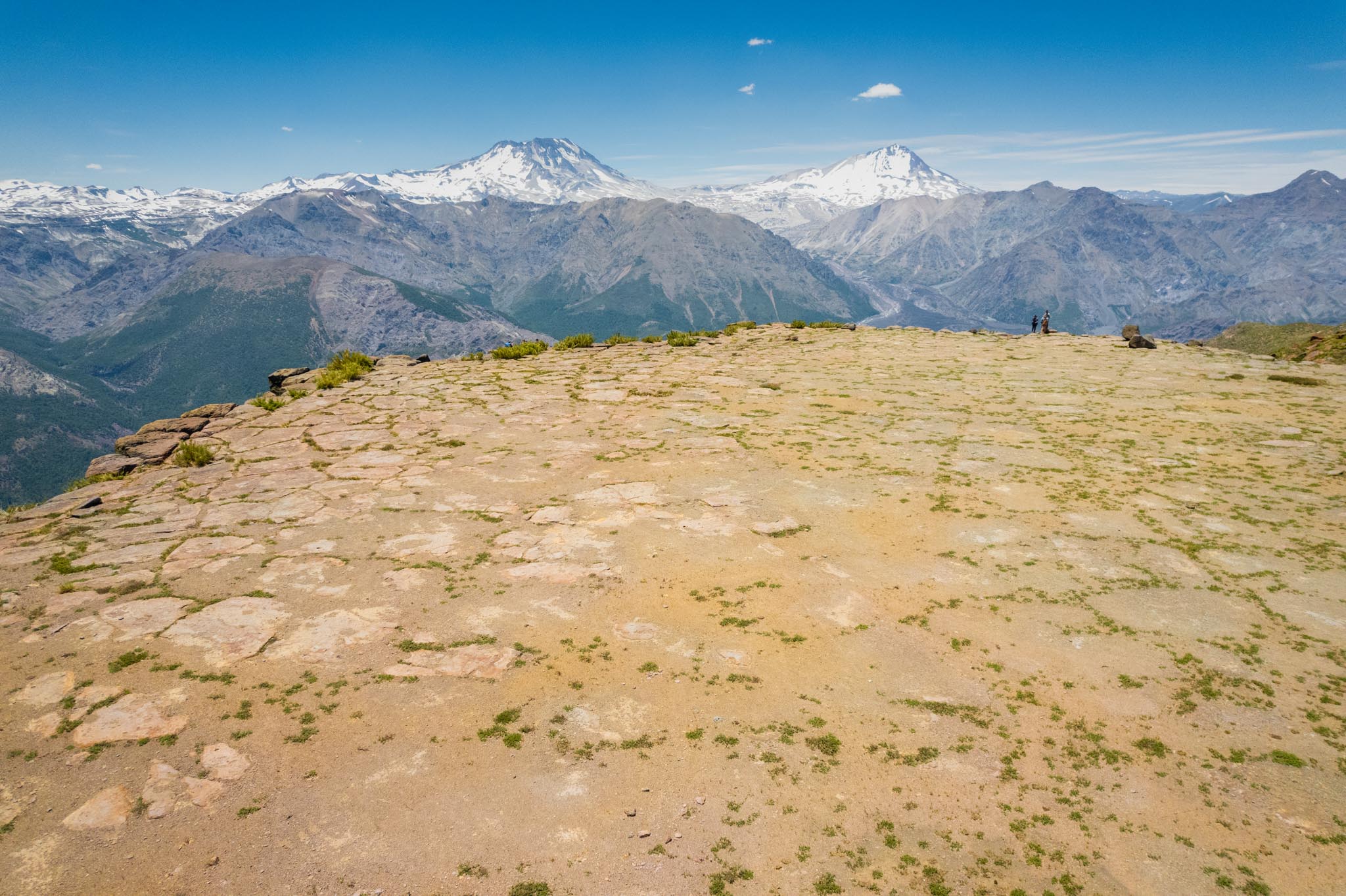
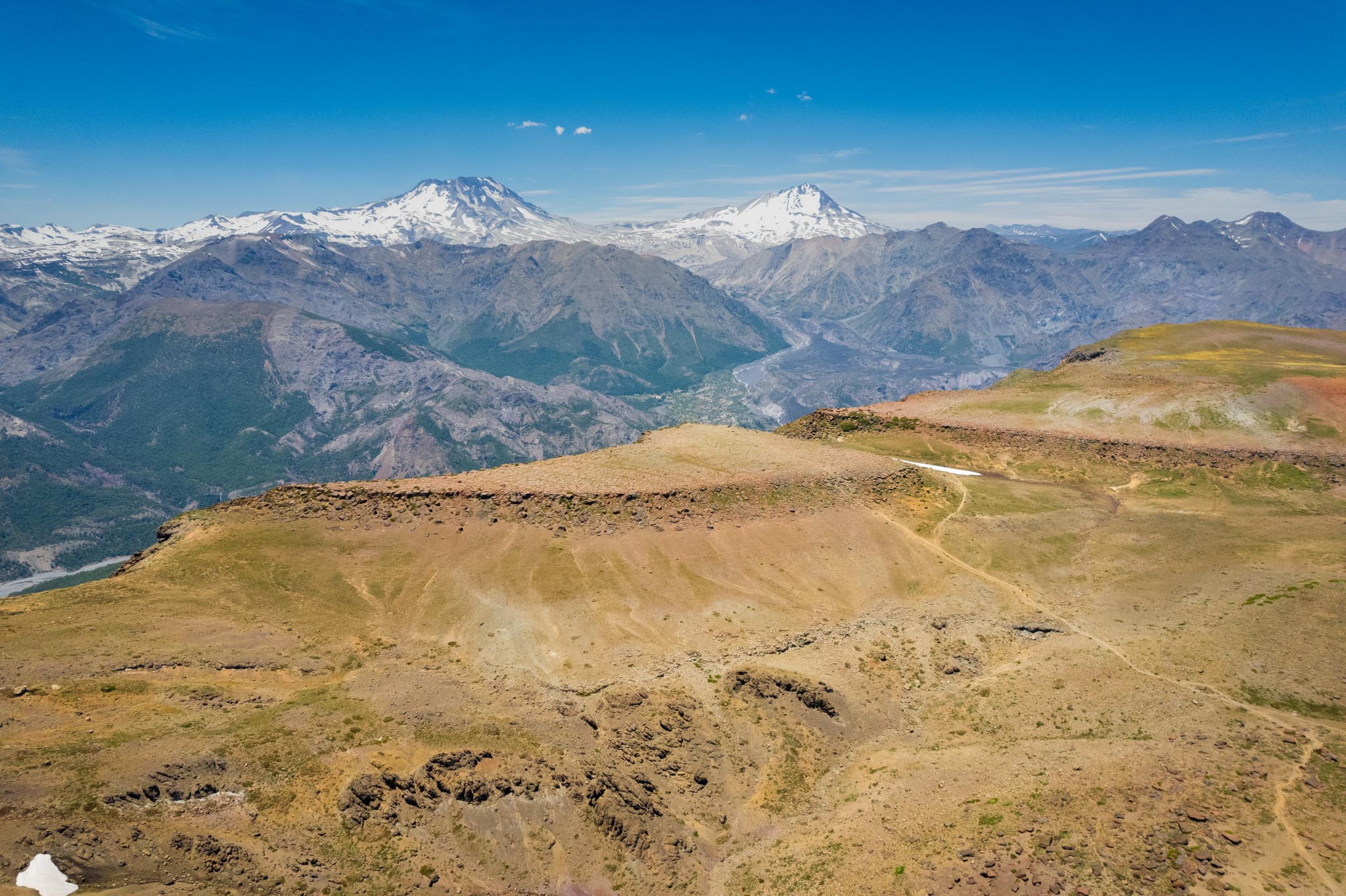
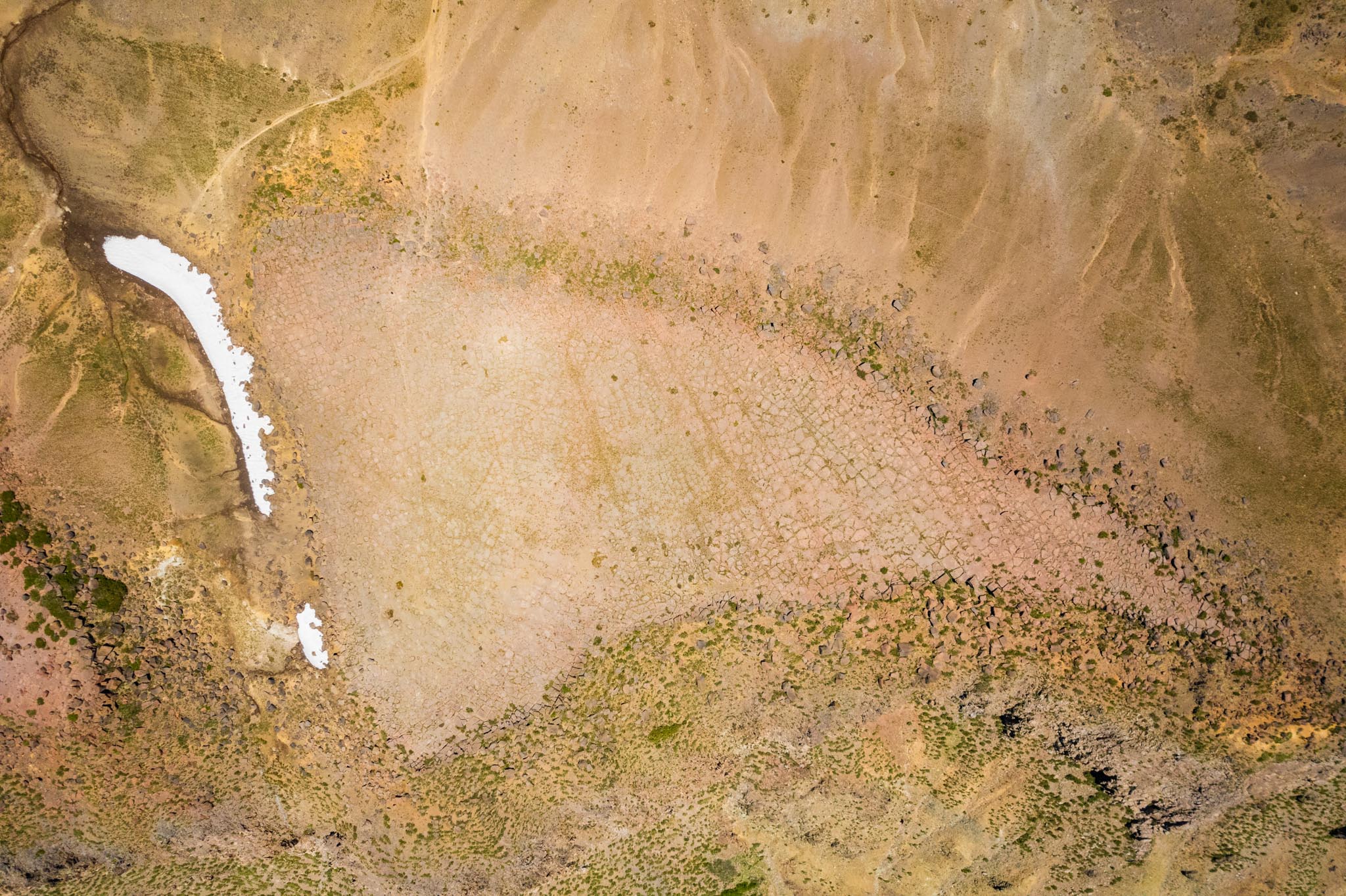
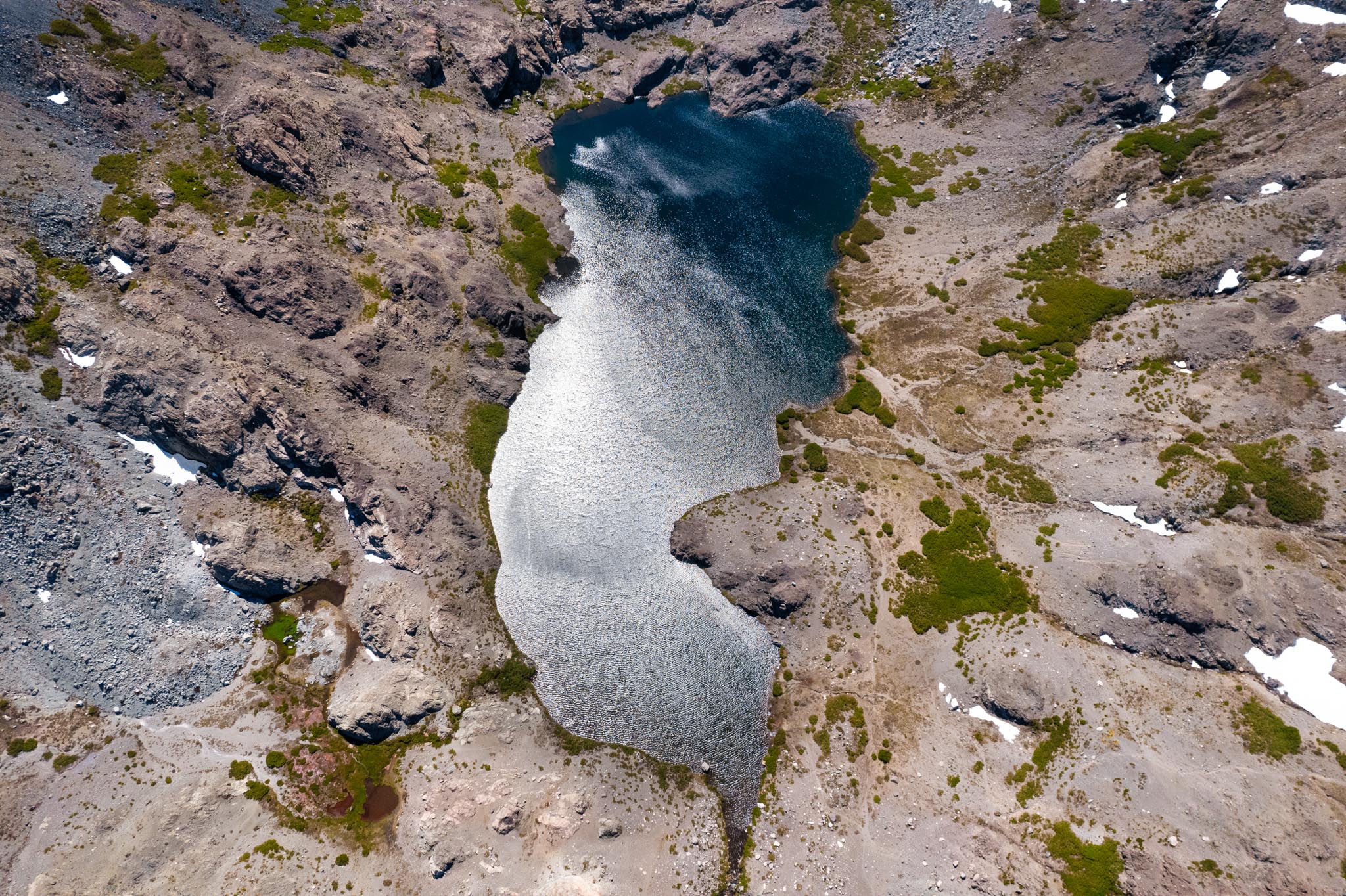
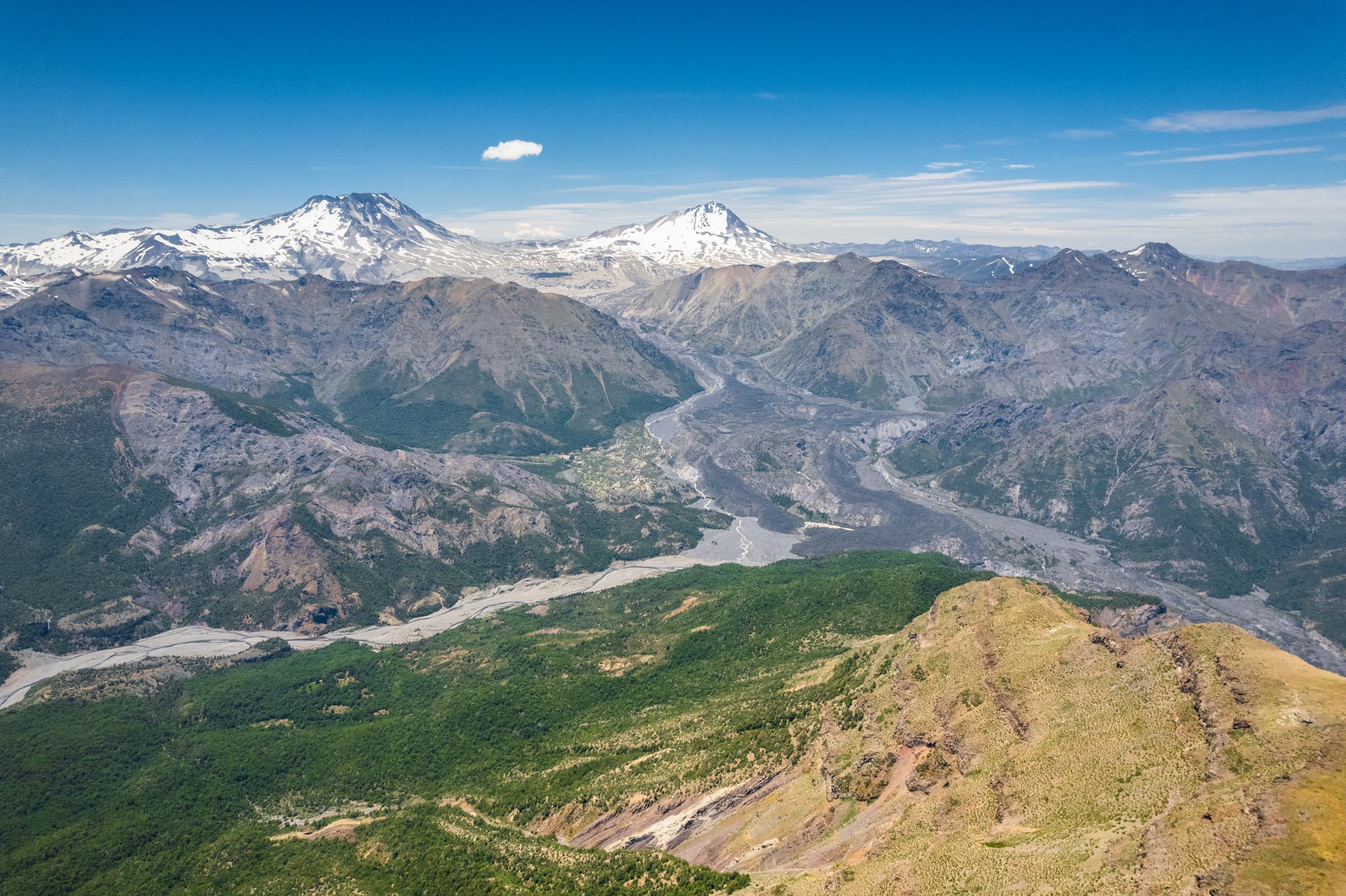
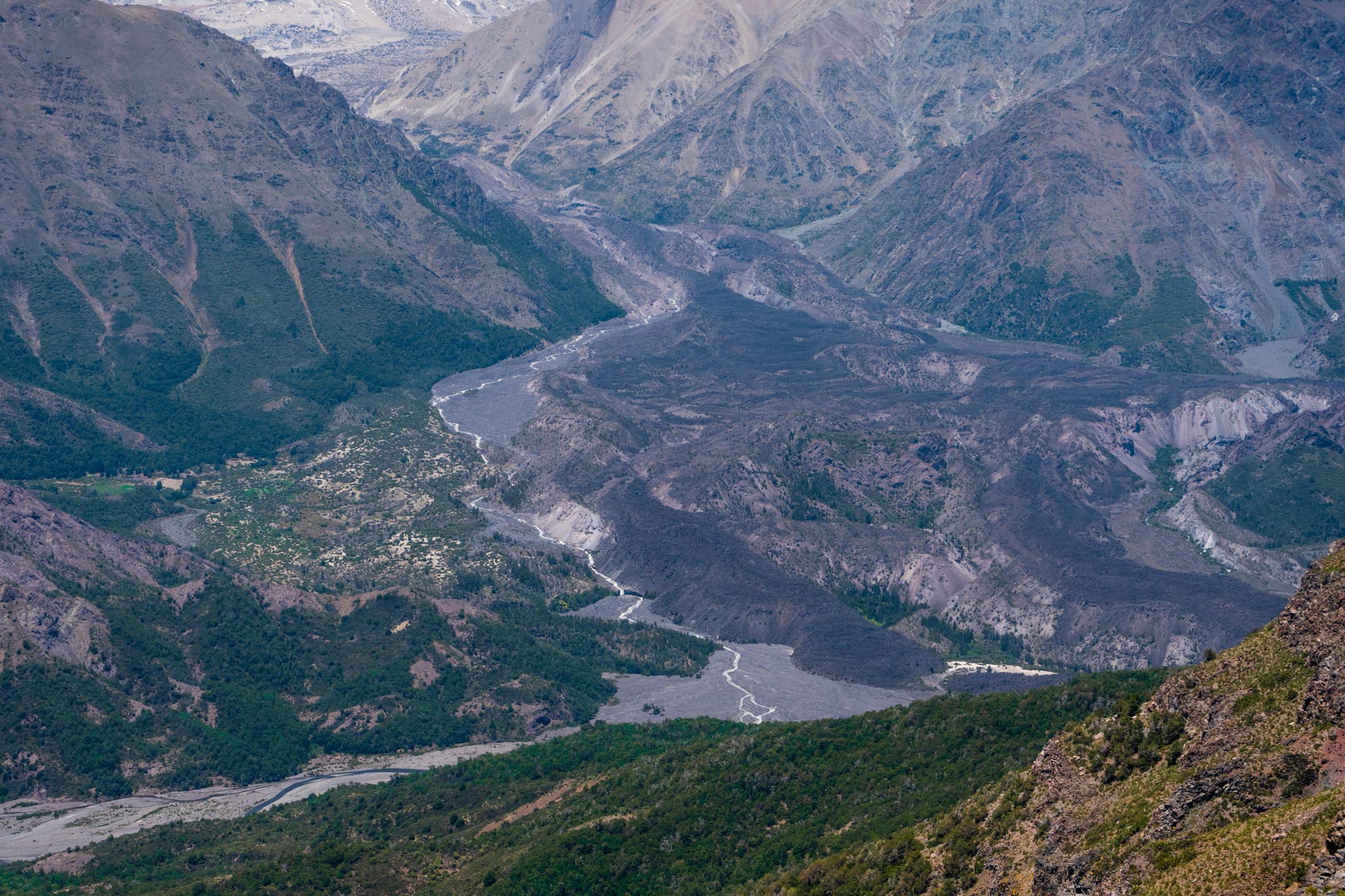
As you gain altitude, the forests give way to Andean scrubland and high-altitude grasslands, eventually reaching unique volcanic plateaus like El Enladrillado, one of the most iconic geosites in the region. From there, as well as from Laguna El Alto, you can enjoy privileged views of the Descabezados Volcanic Group and the complex eruptive history that has shaped the mountain range.
Altos de Lircay is a meeting point between nature, geology and biodiversity, and an essential place to understand the environmental richness of the Maule Andes.

Protected National Assets
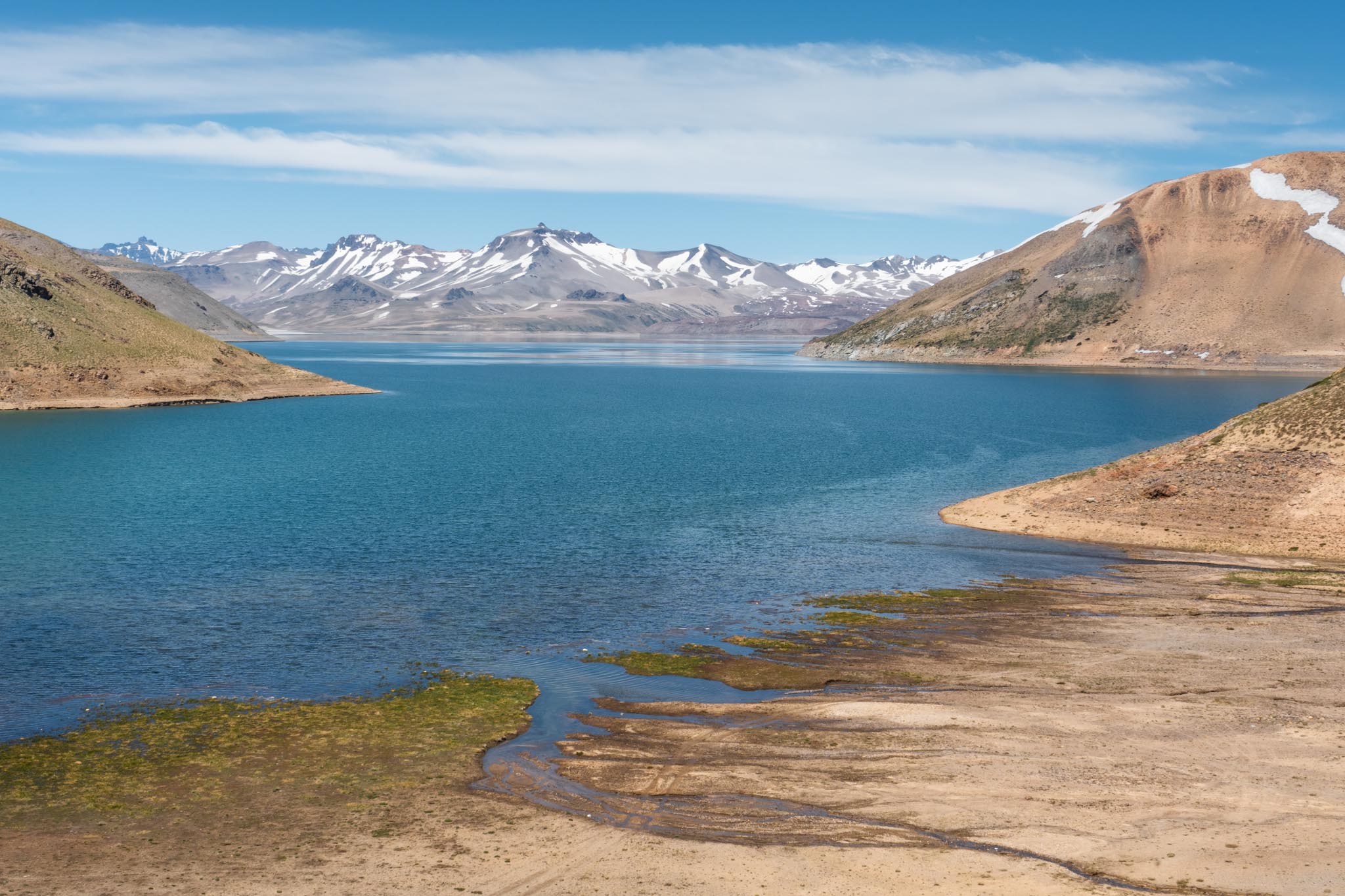
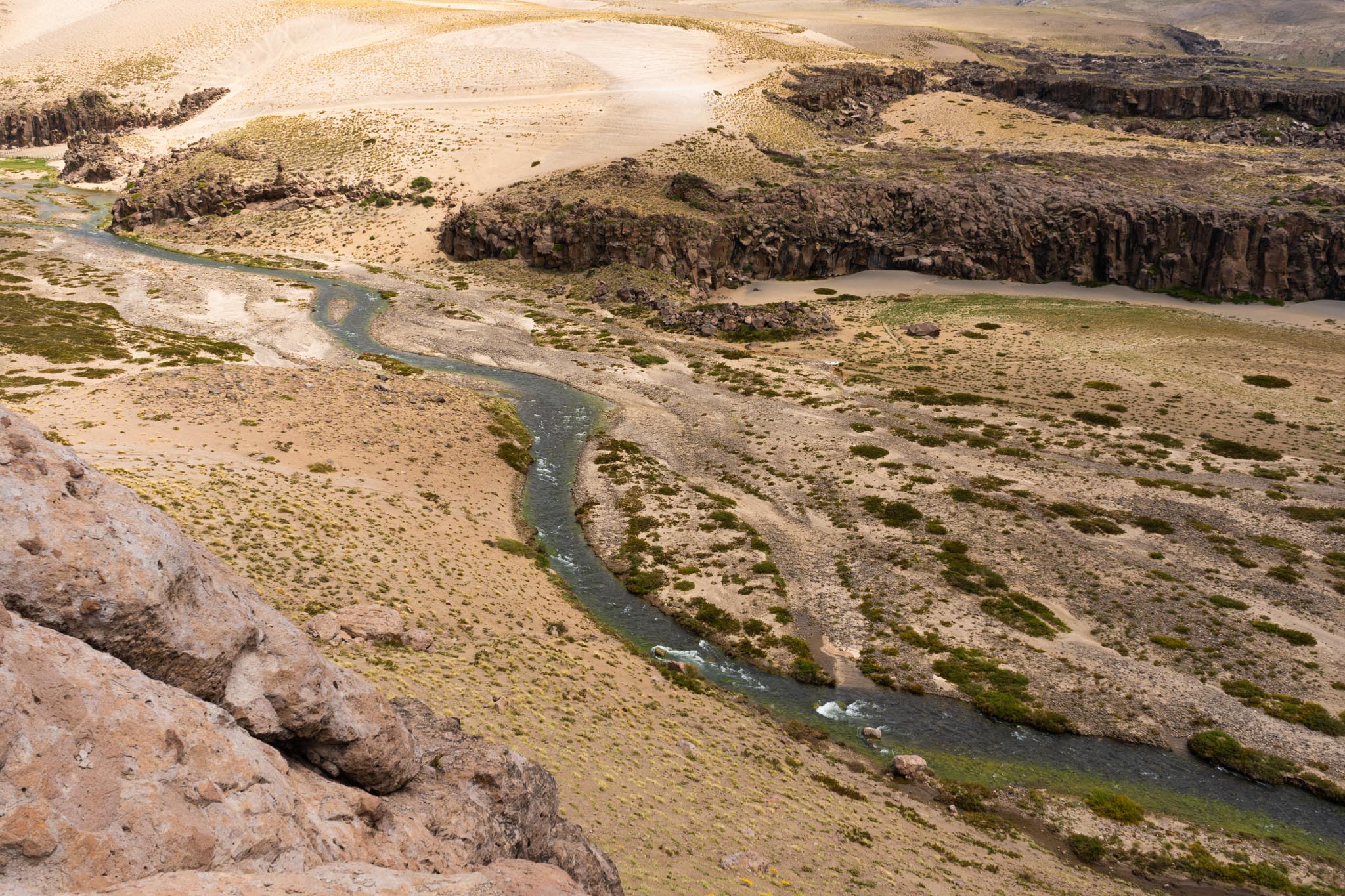
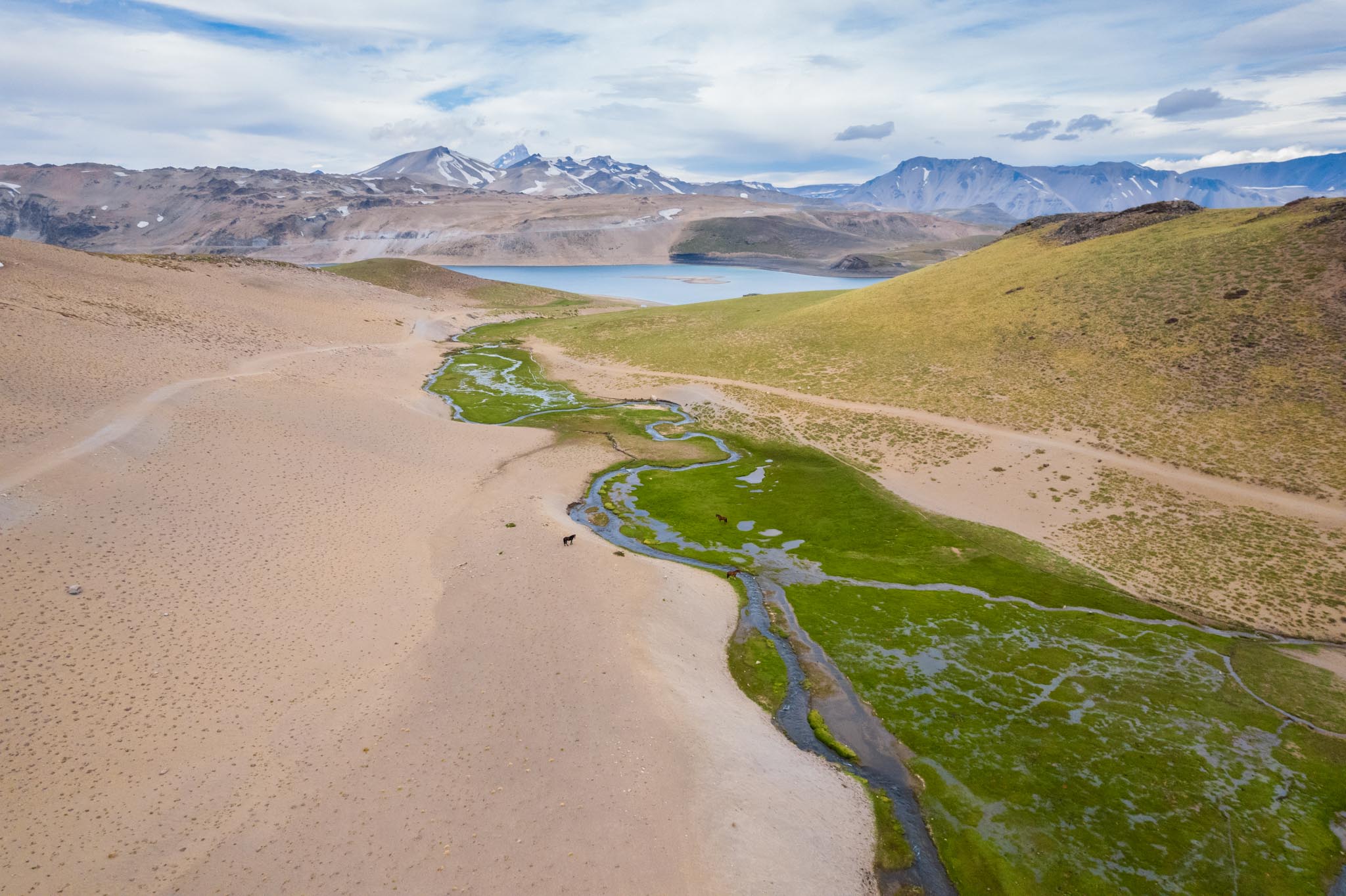
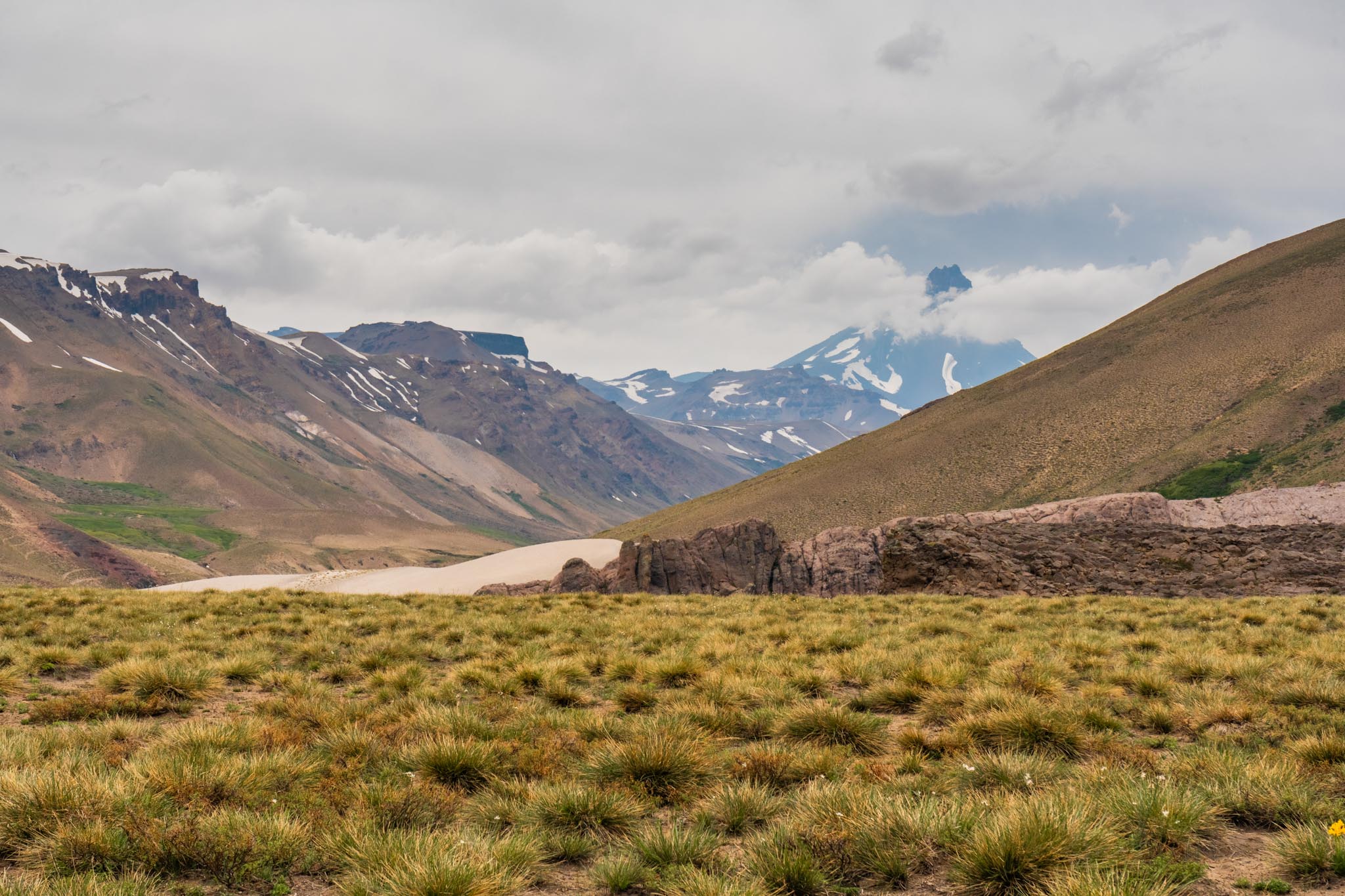
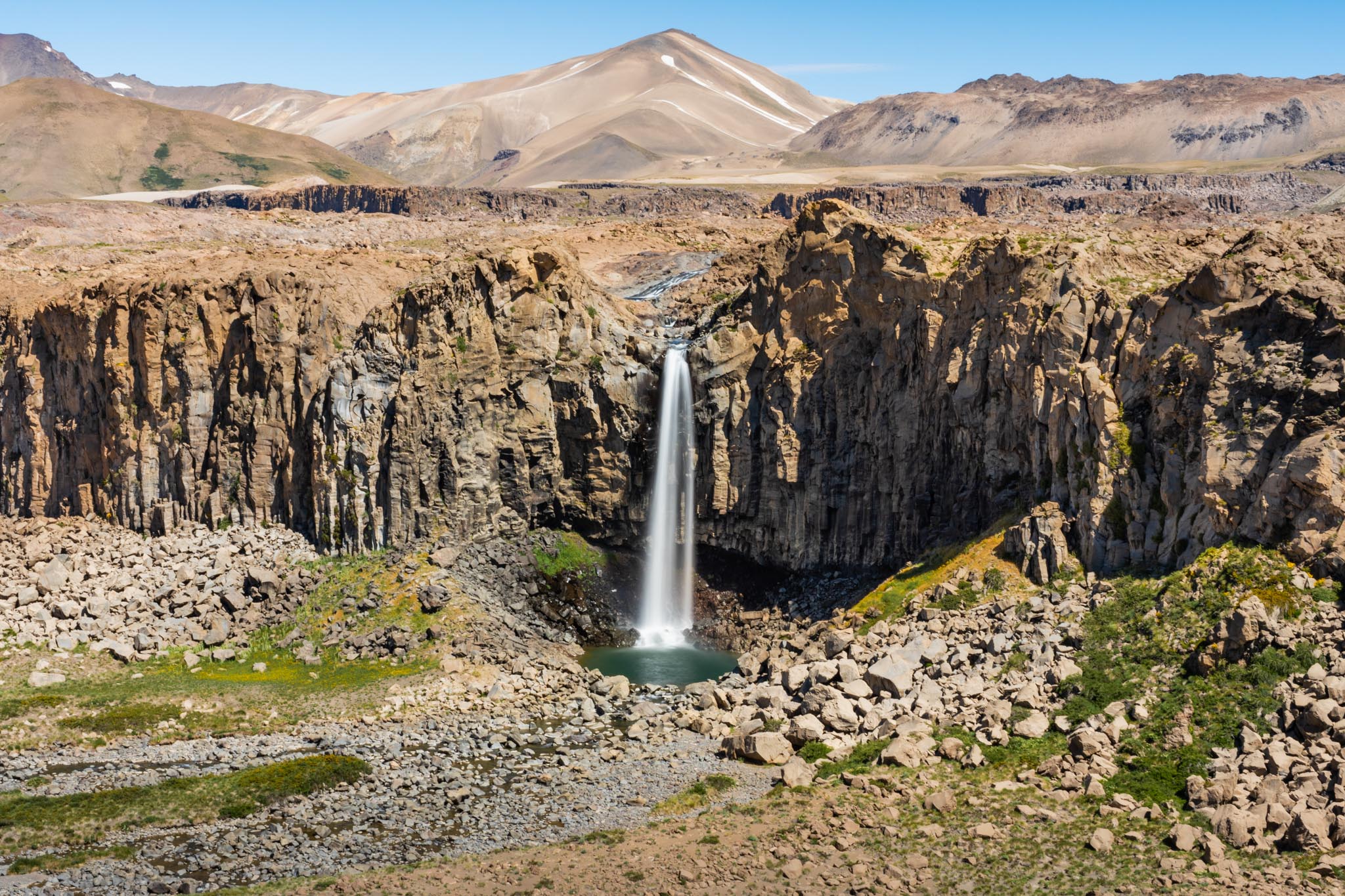
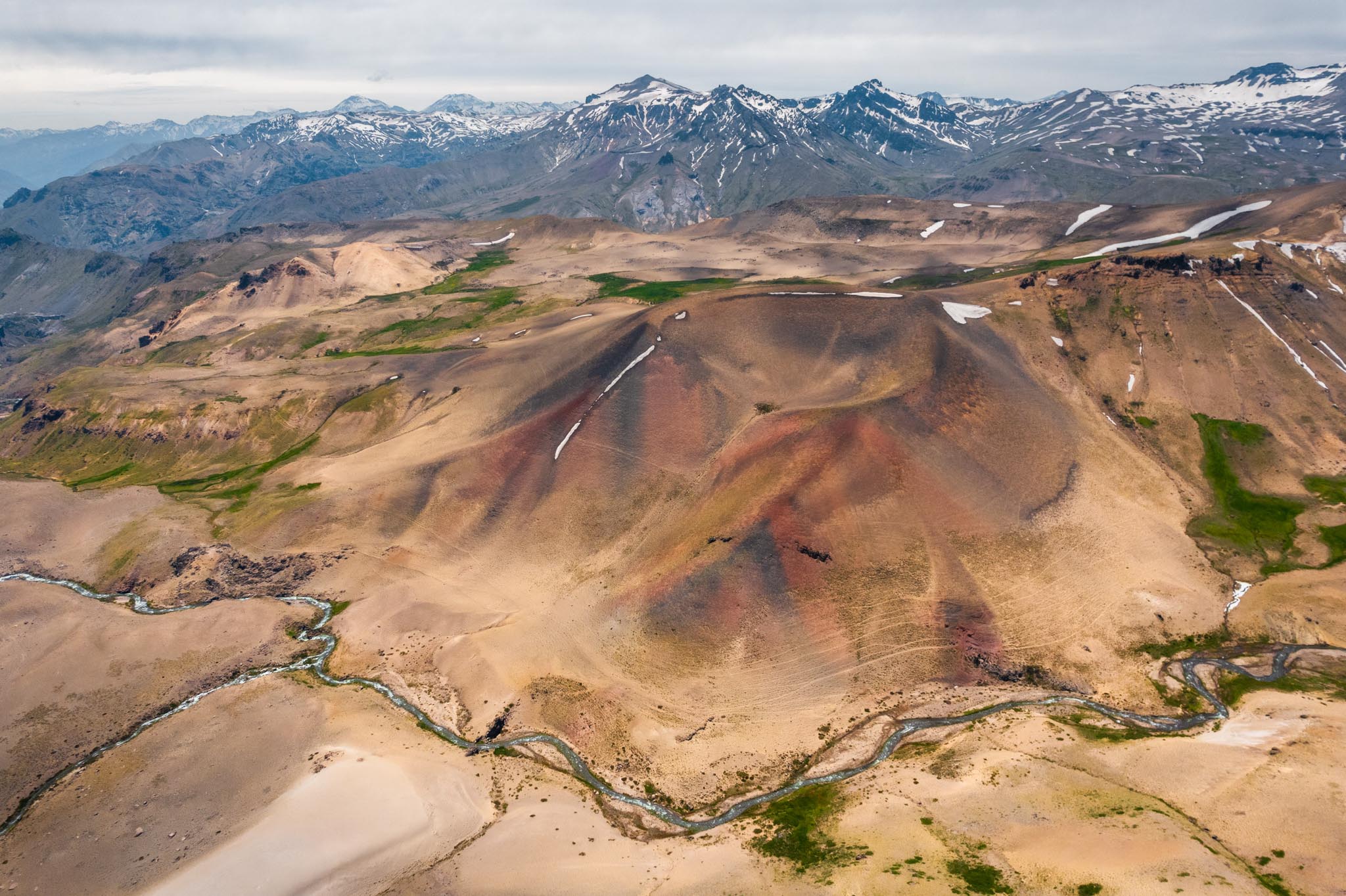
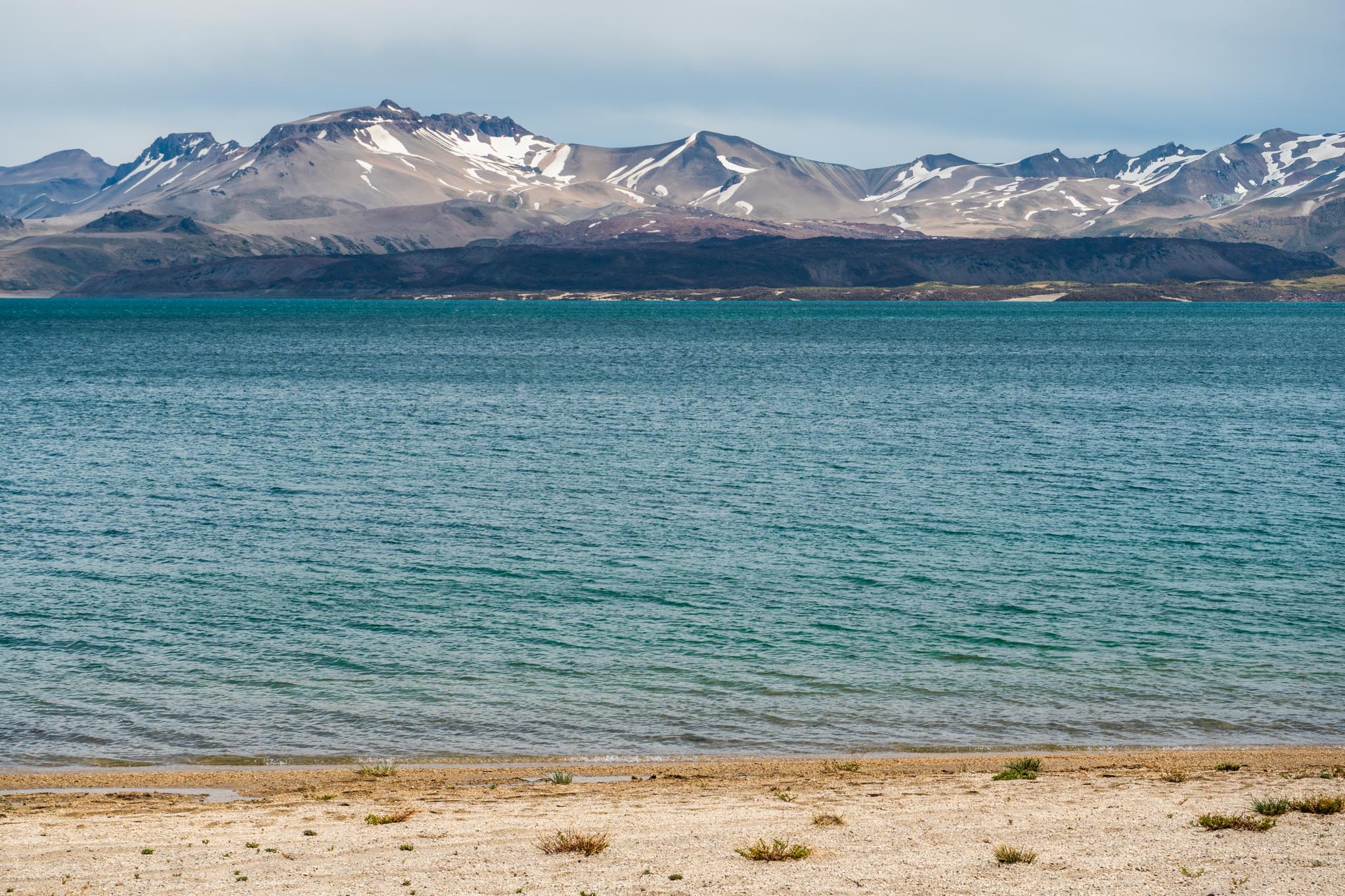
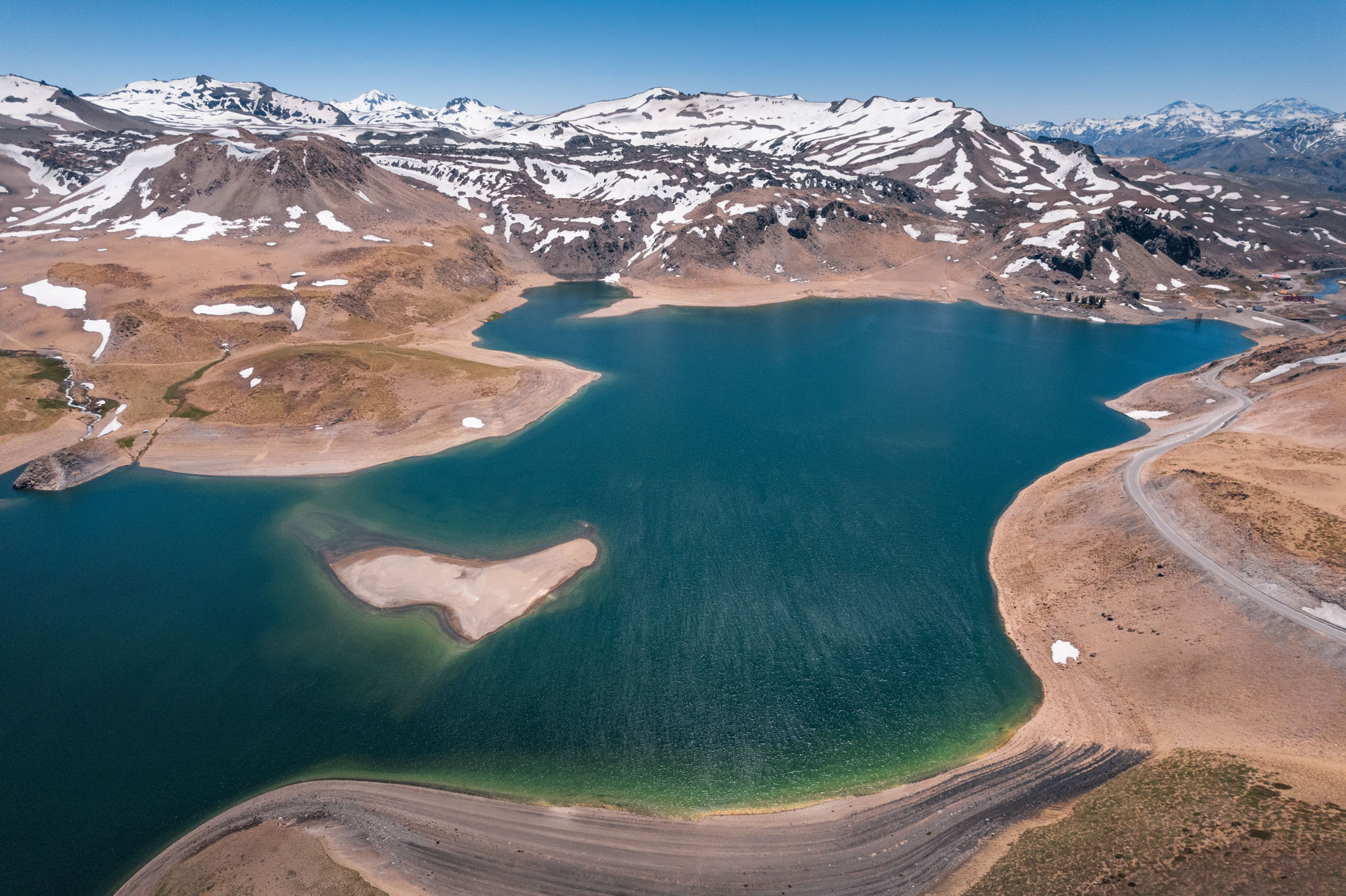
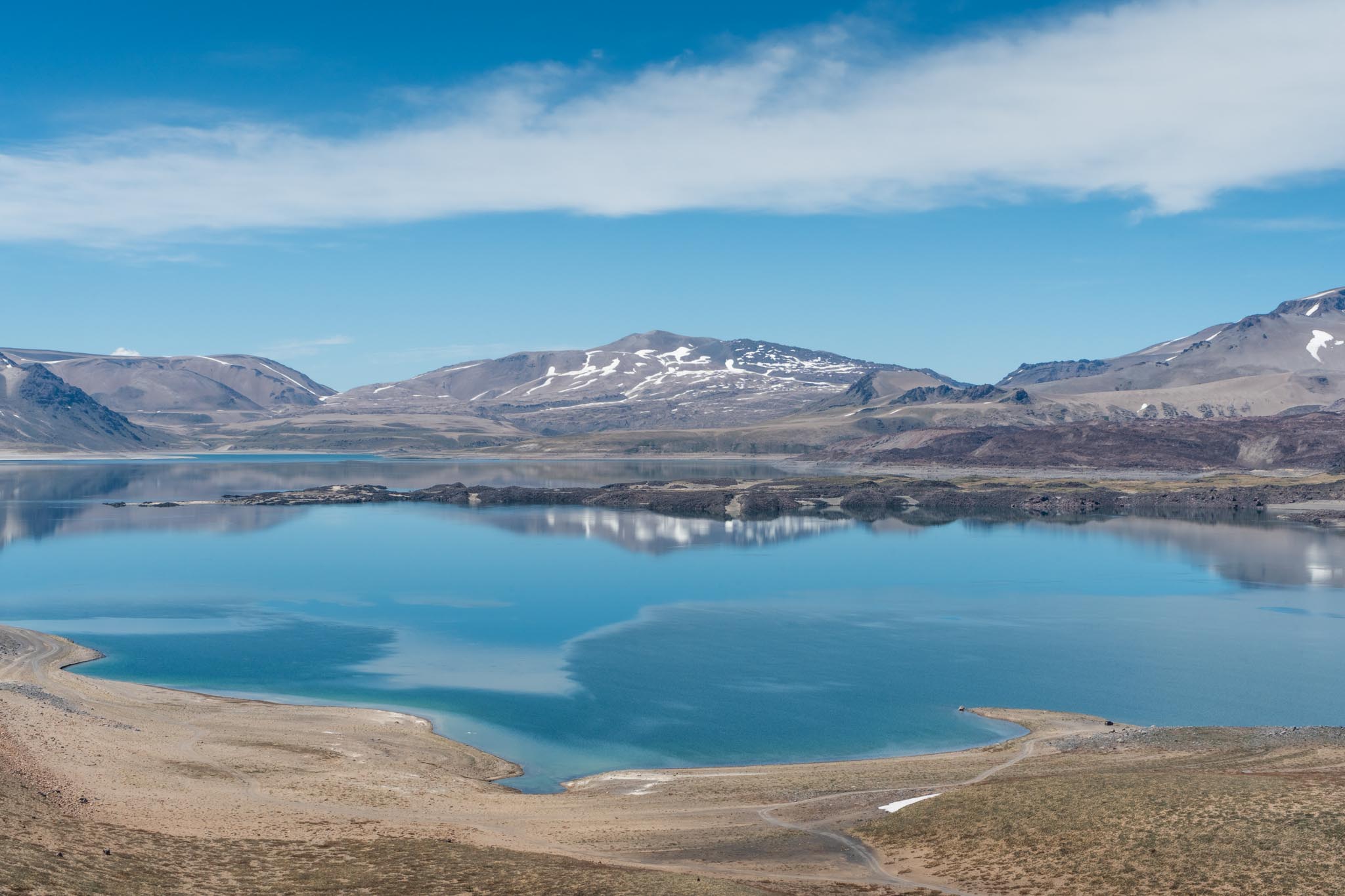
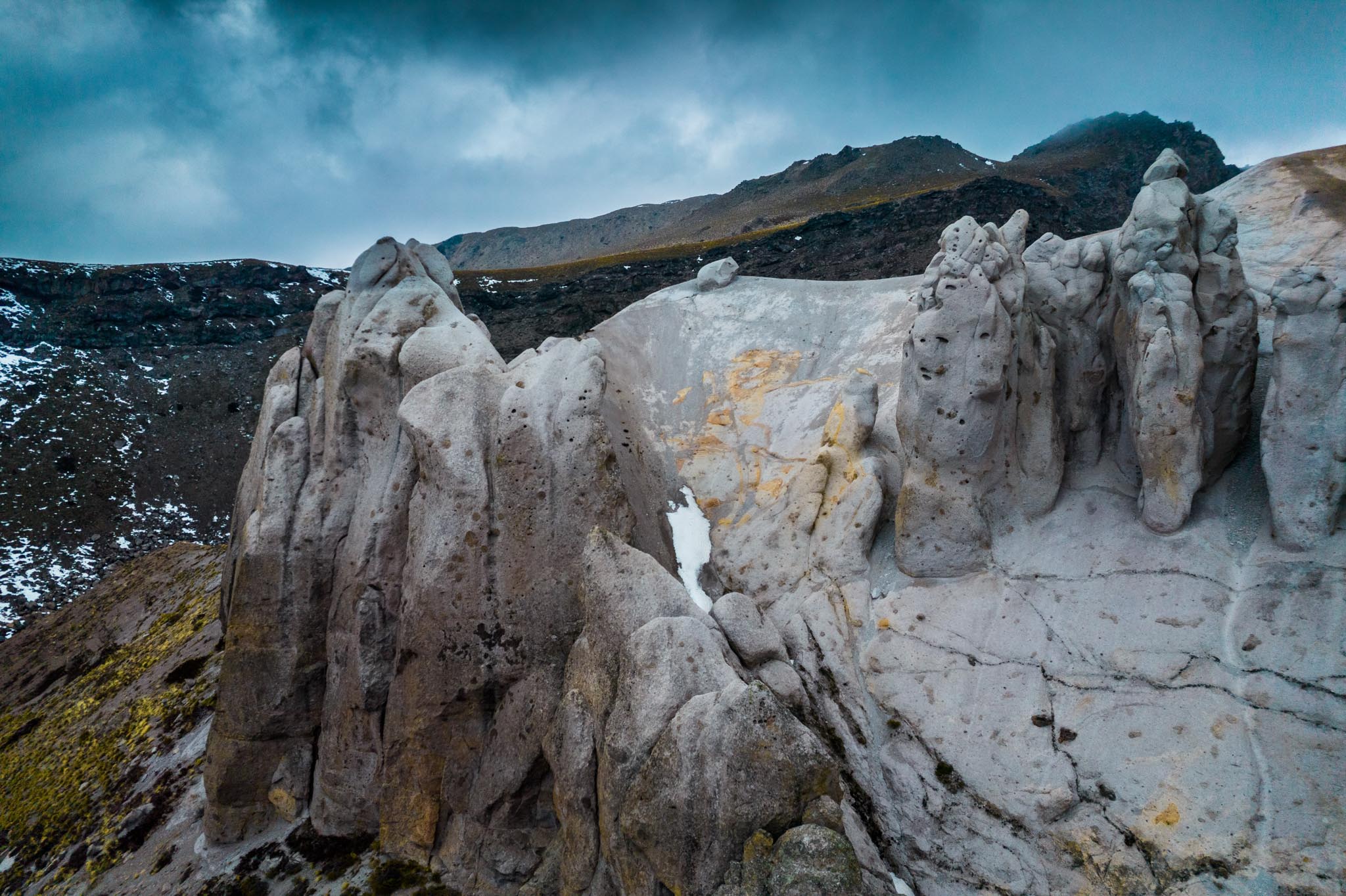
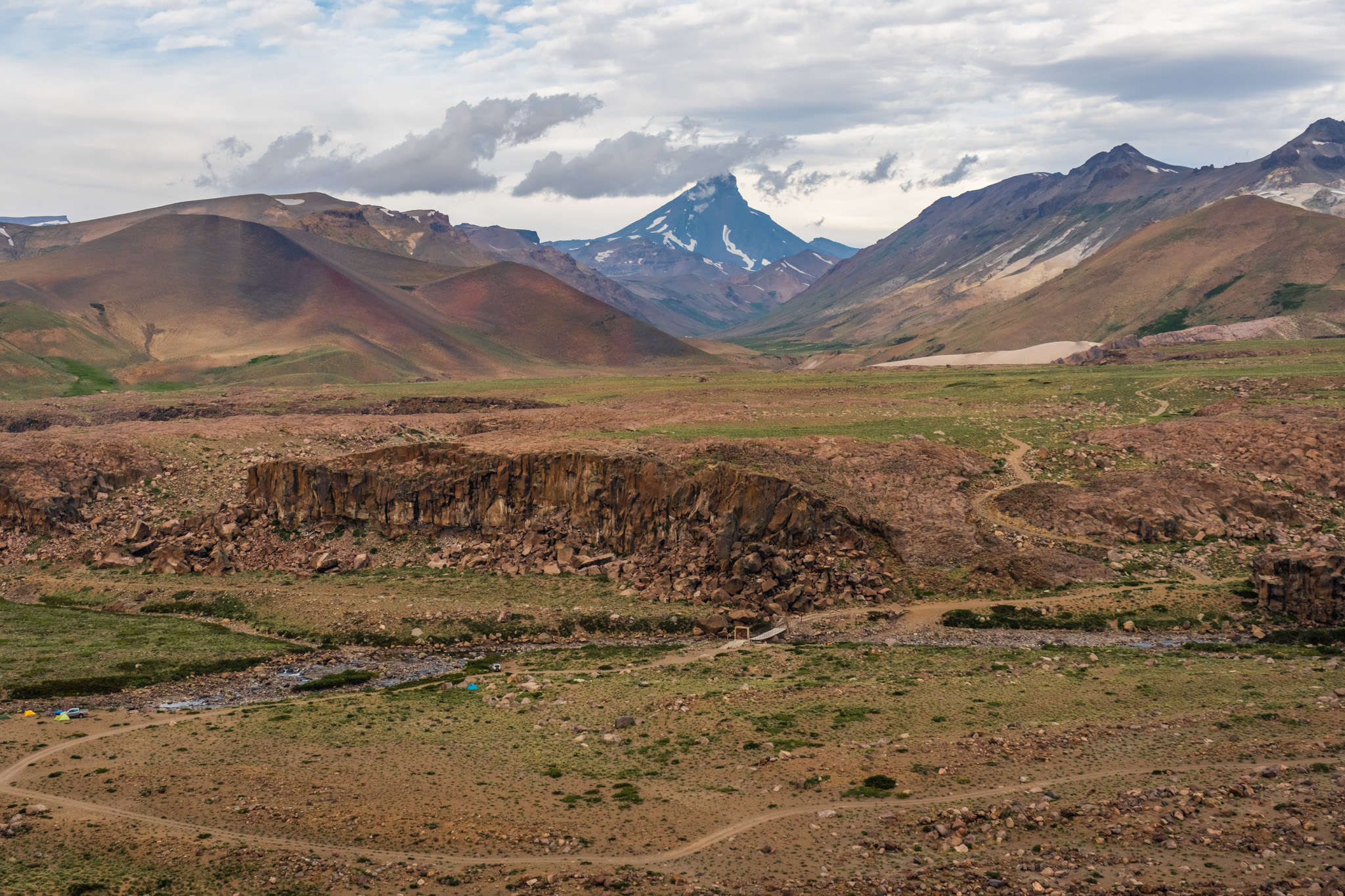
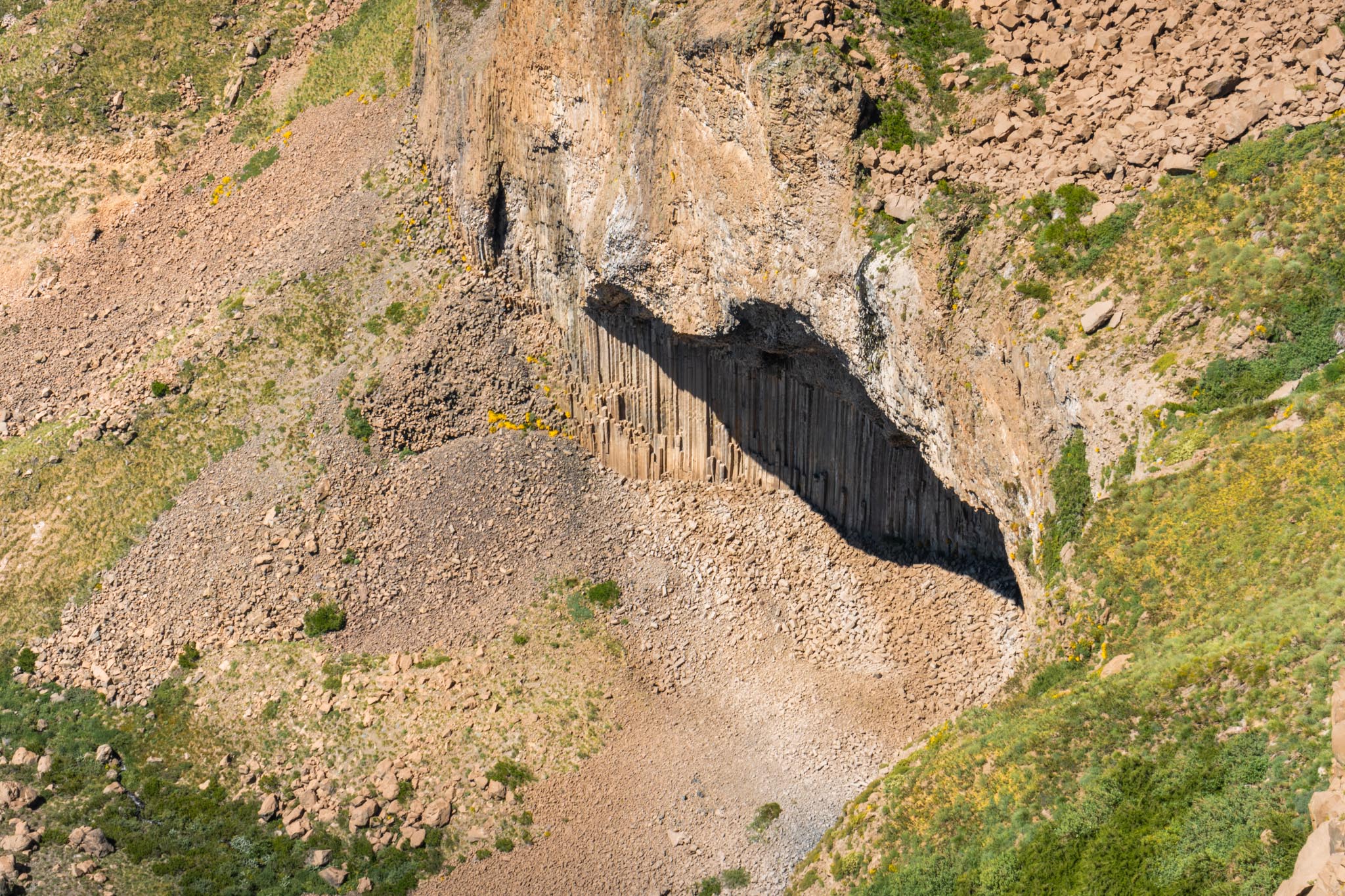
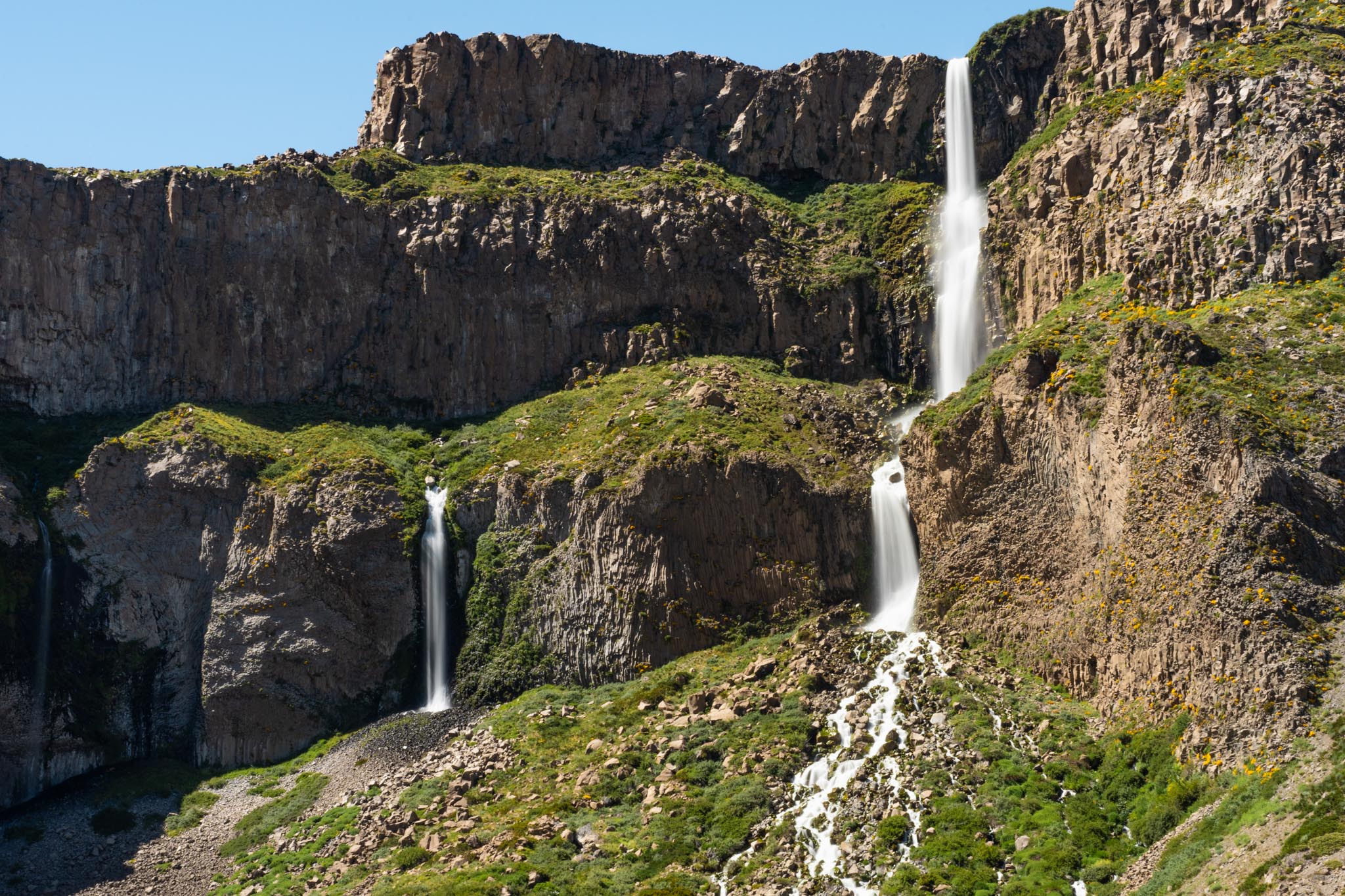
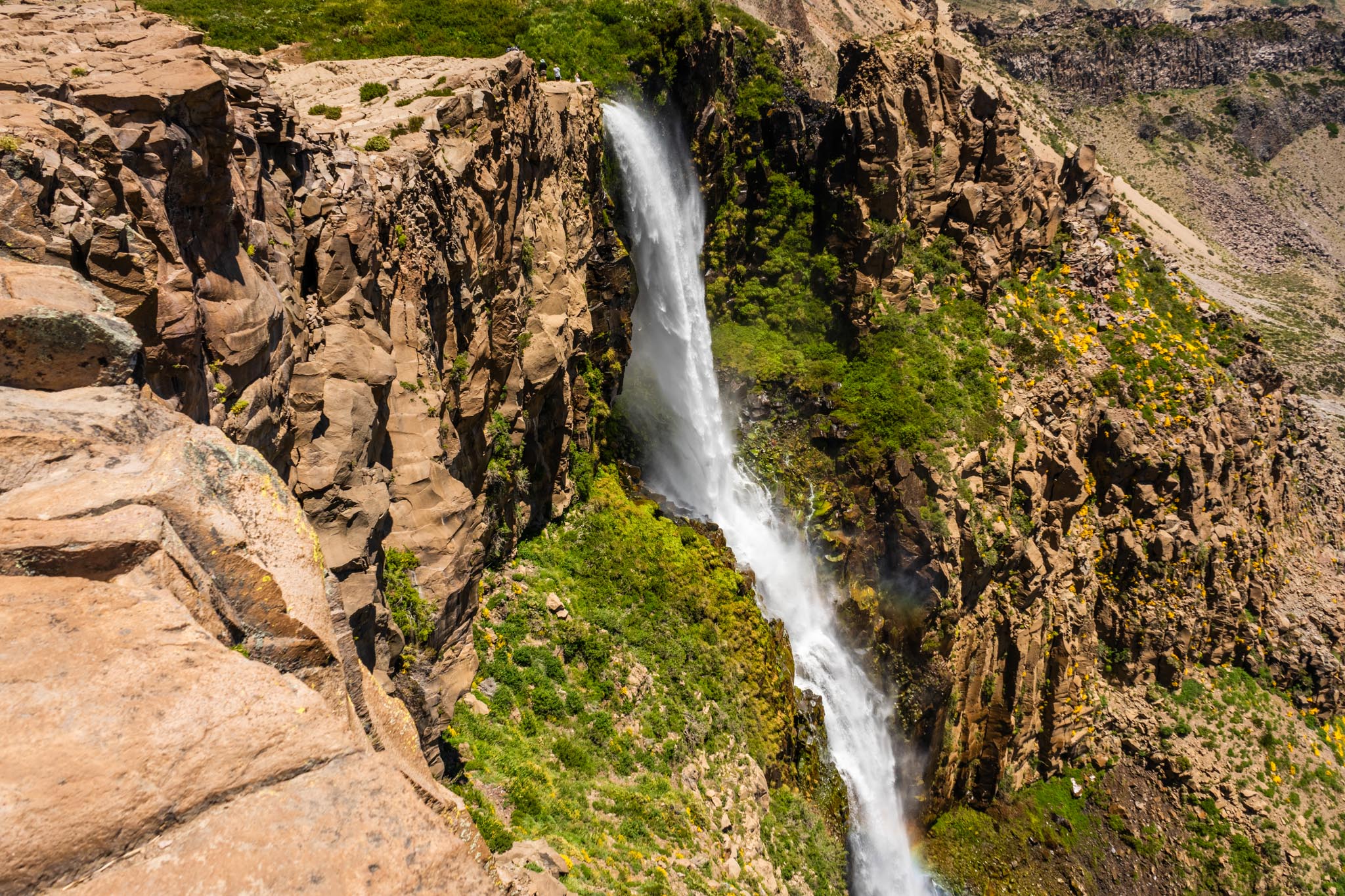
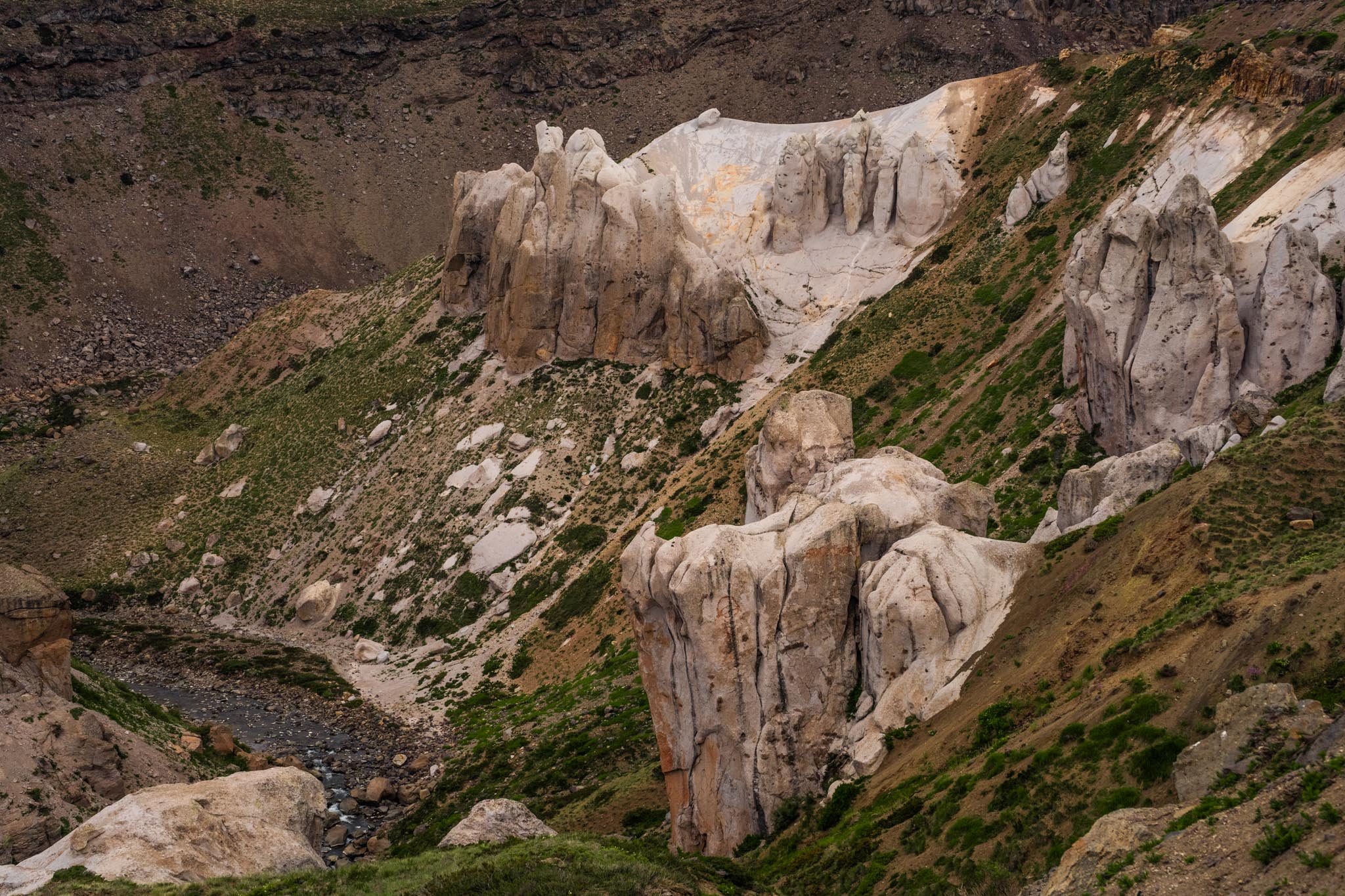
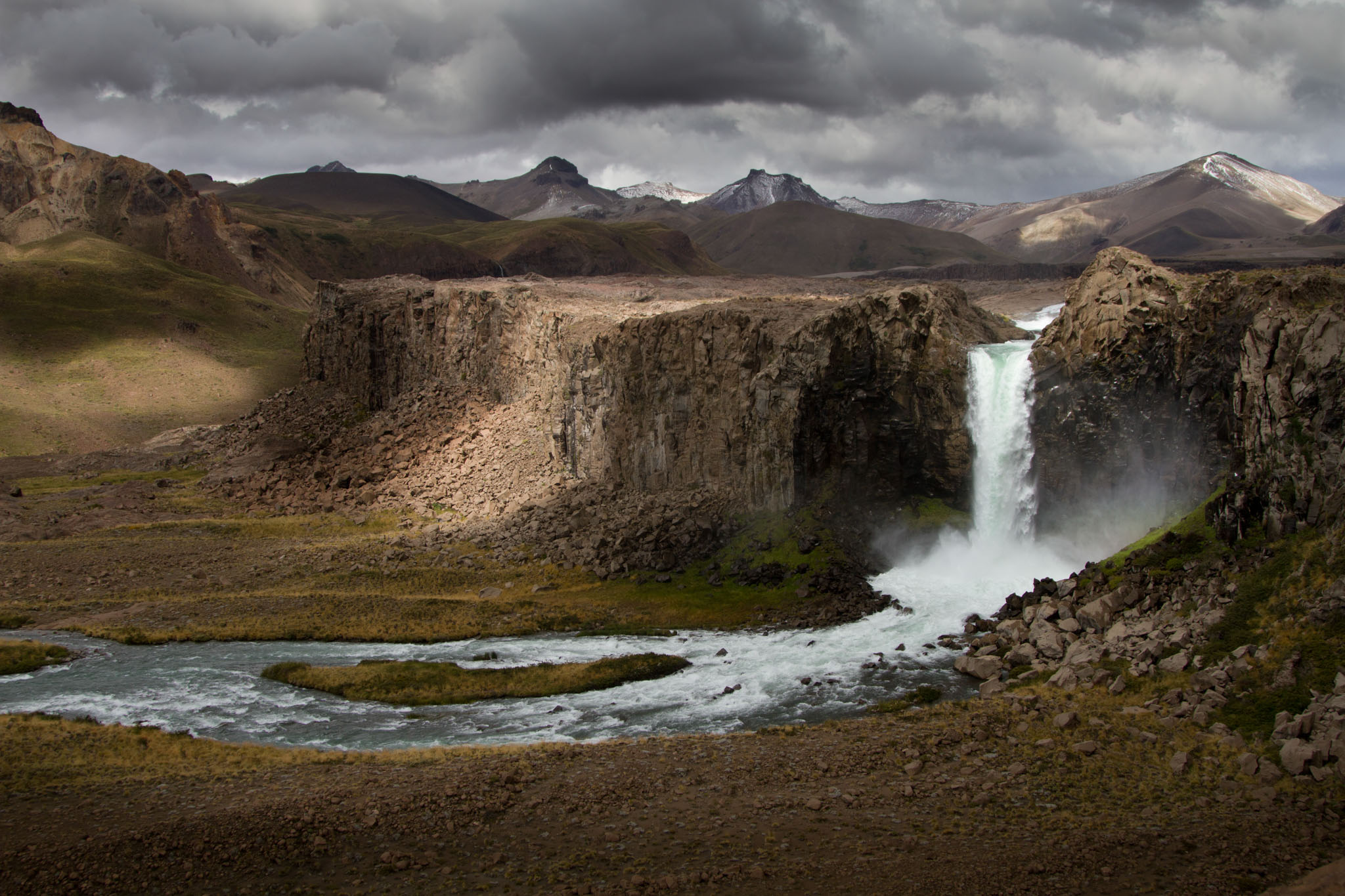
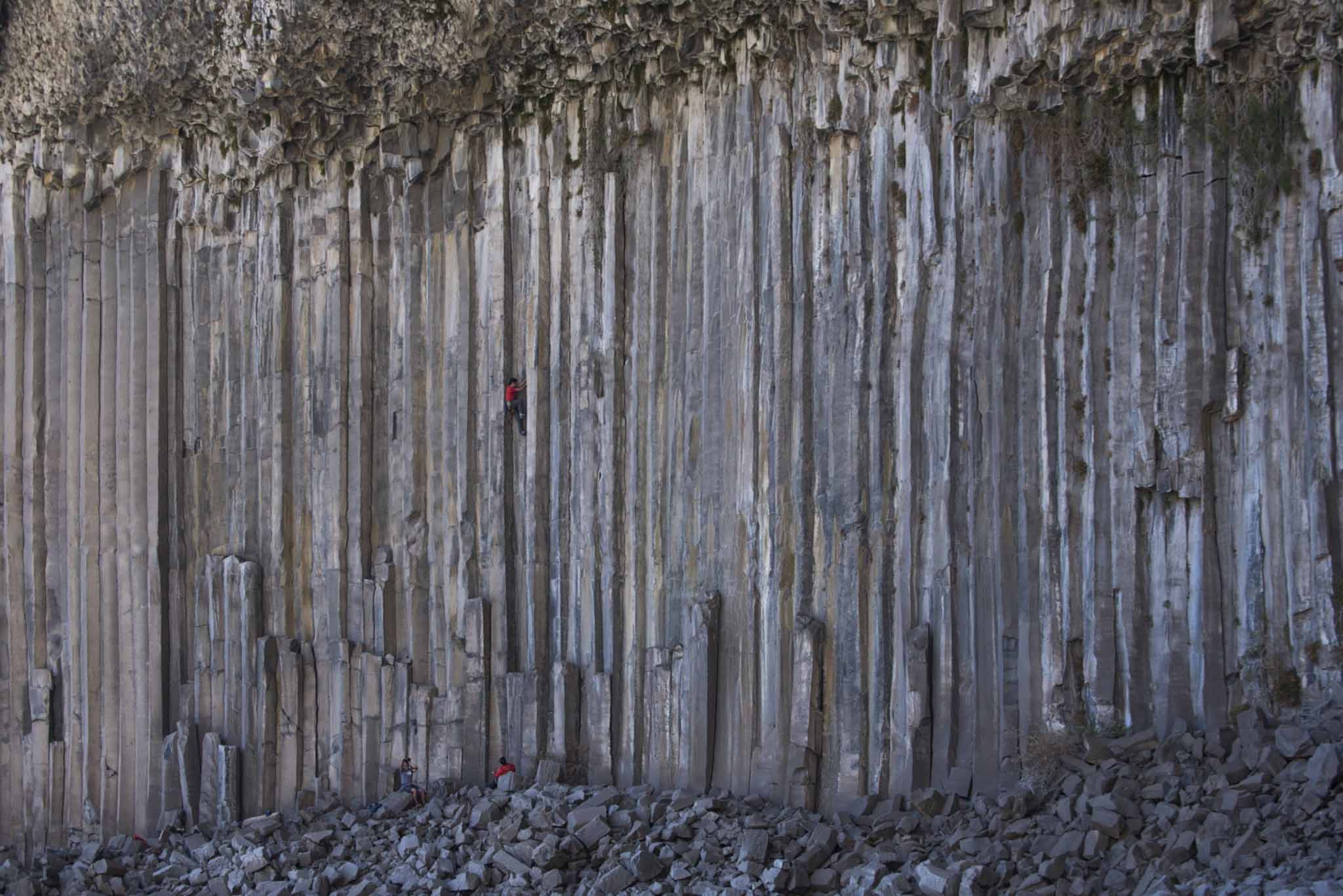
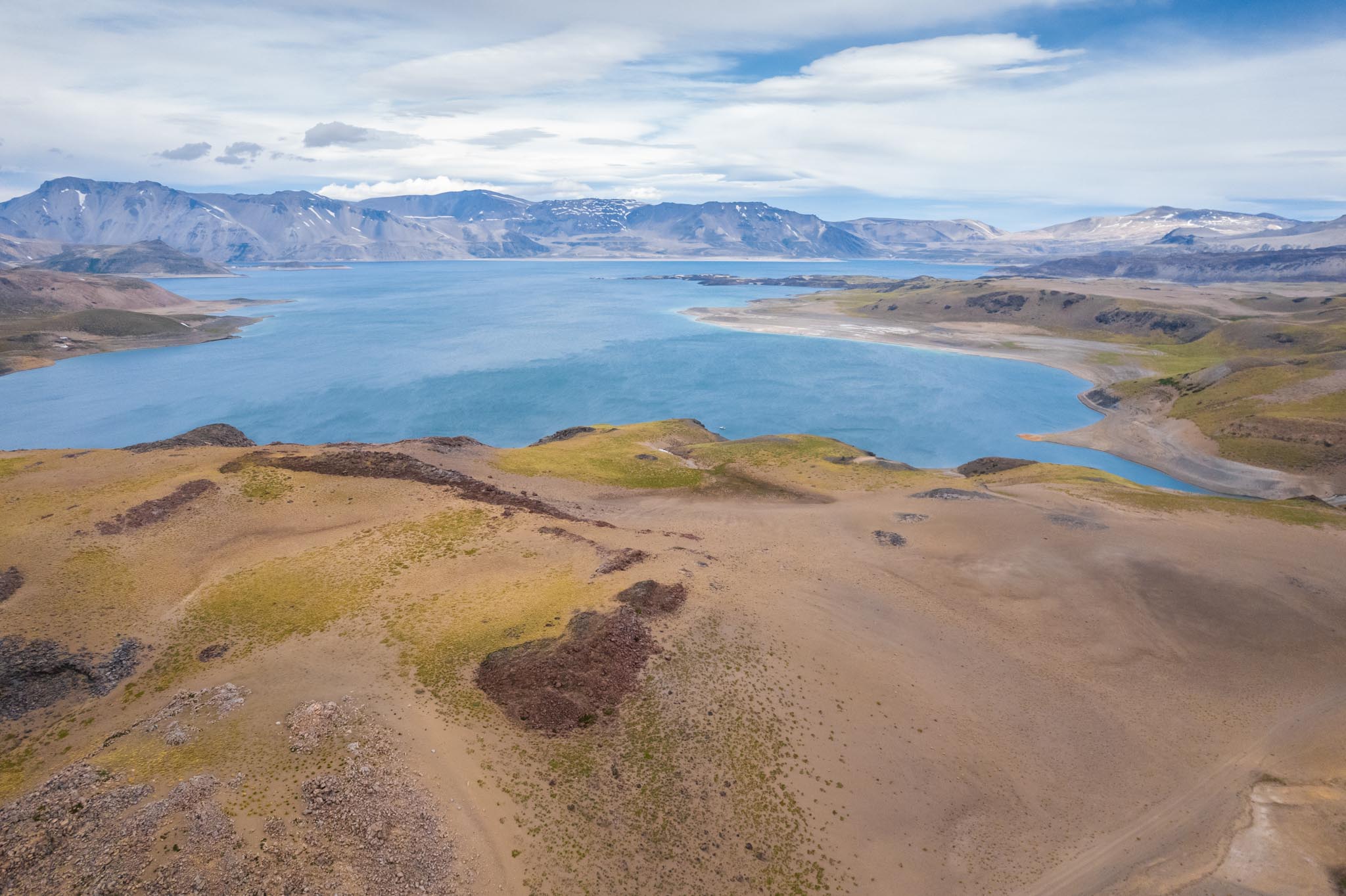
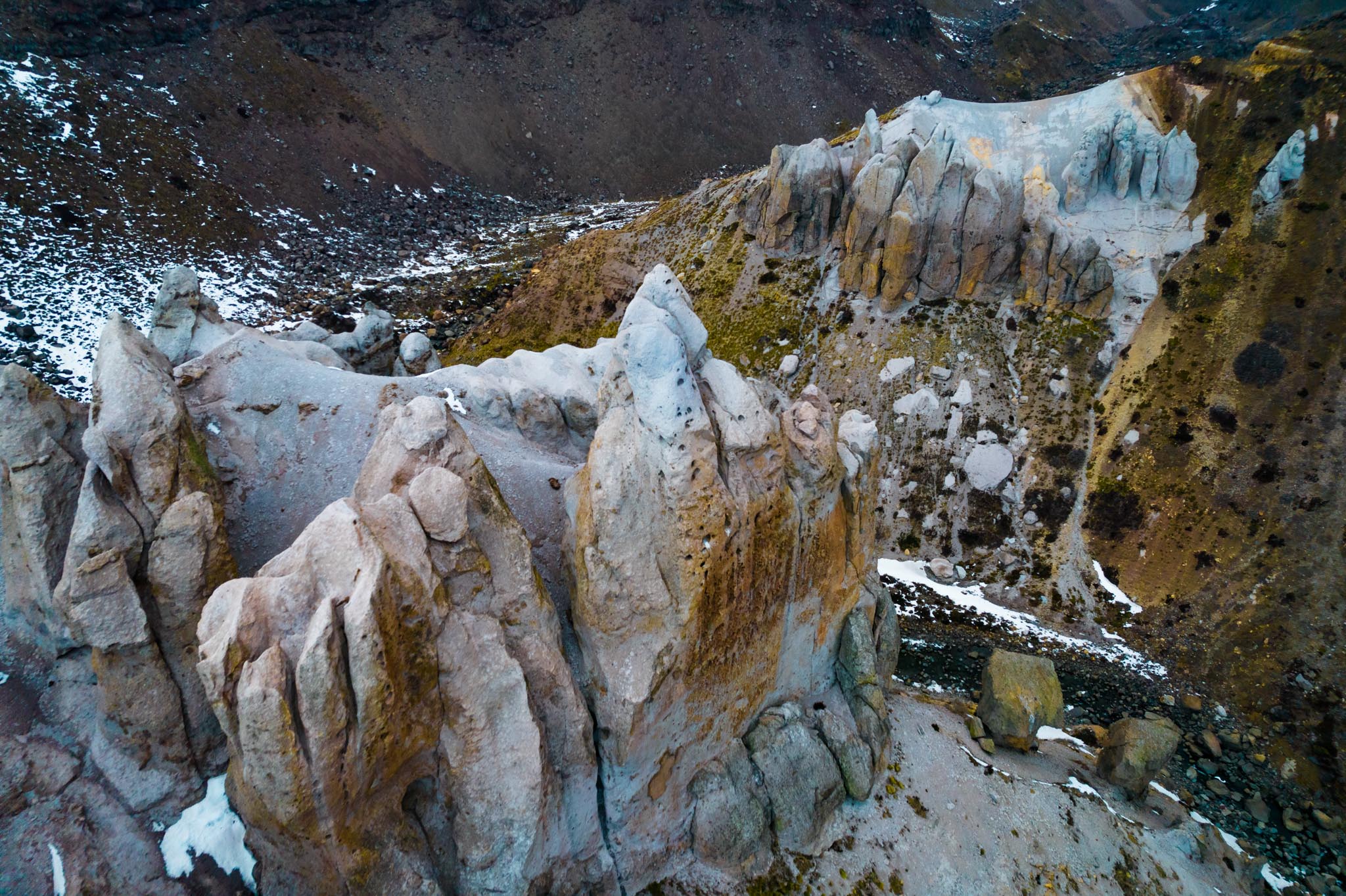
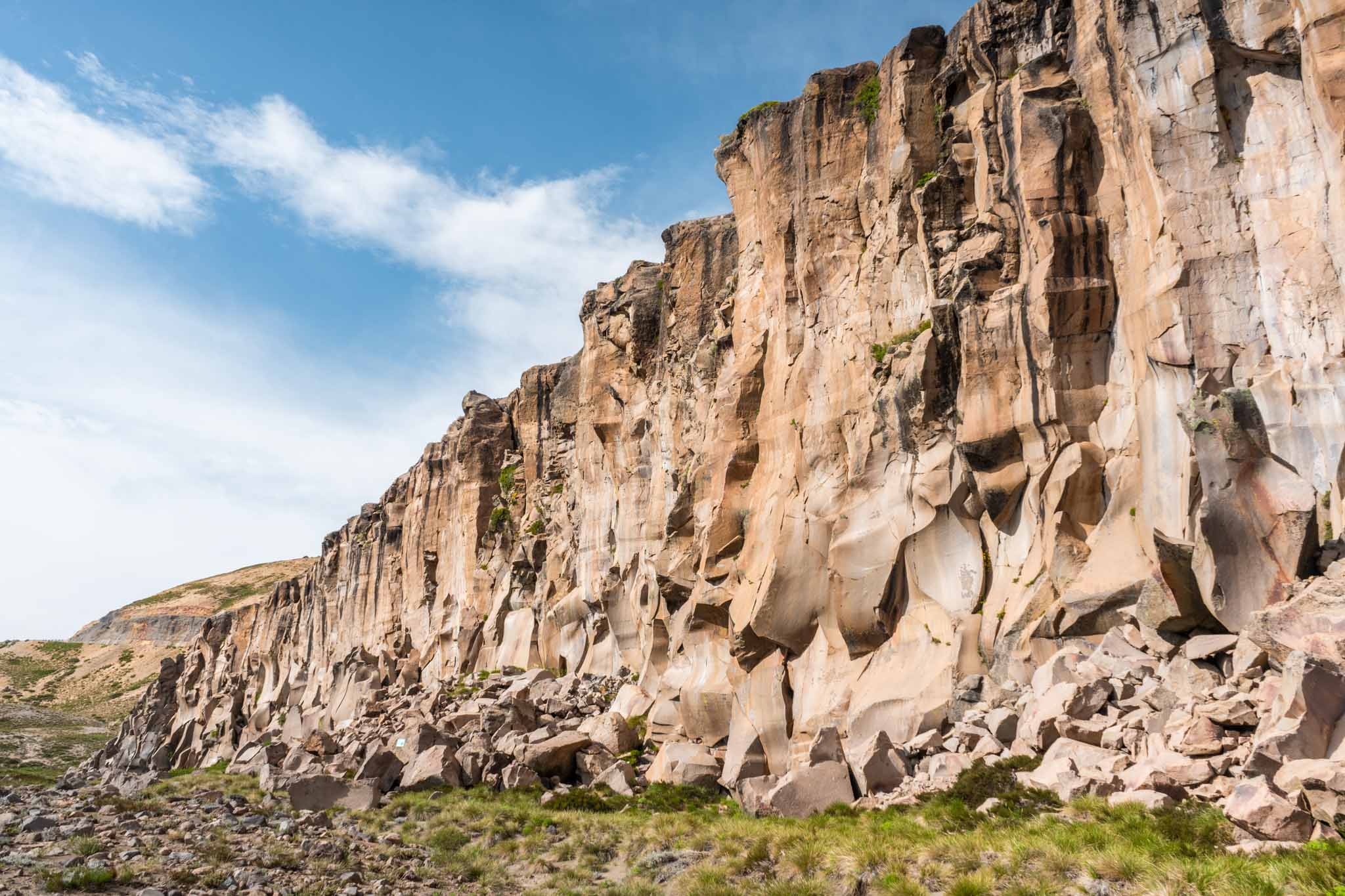
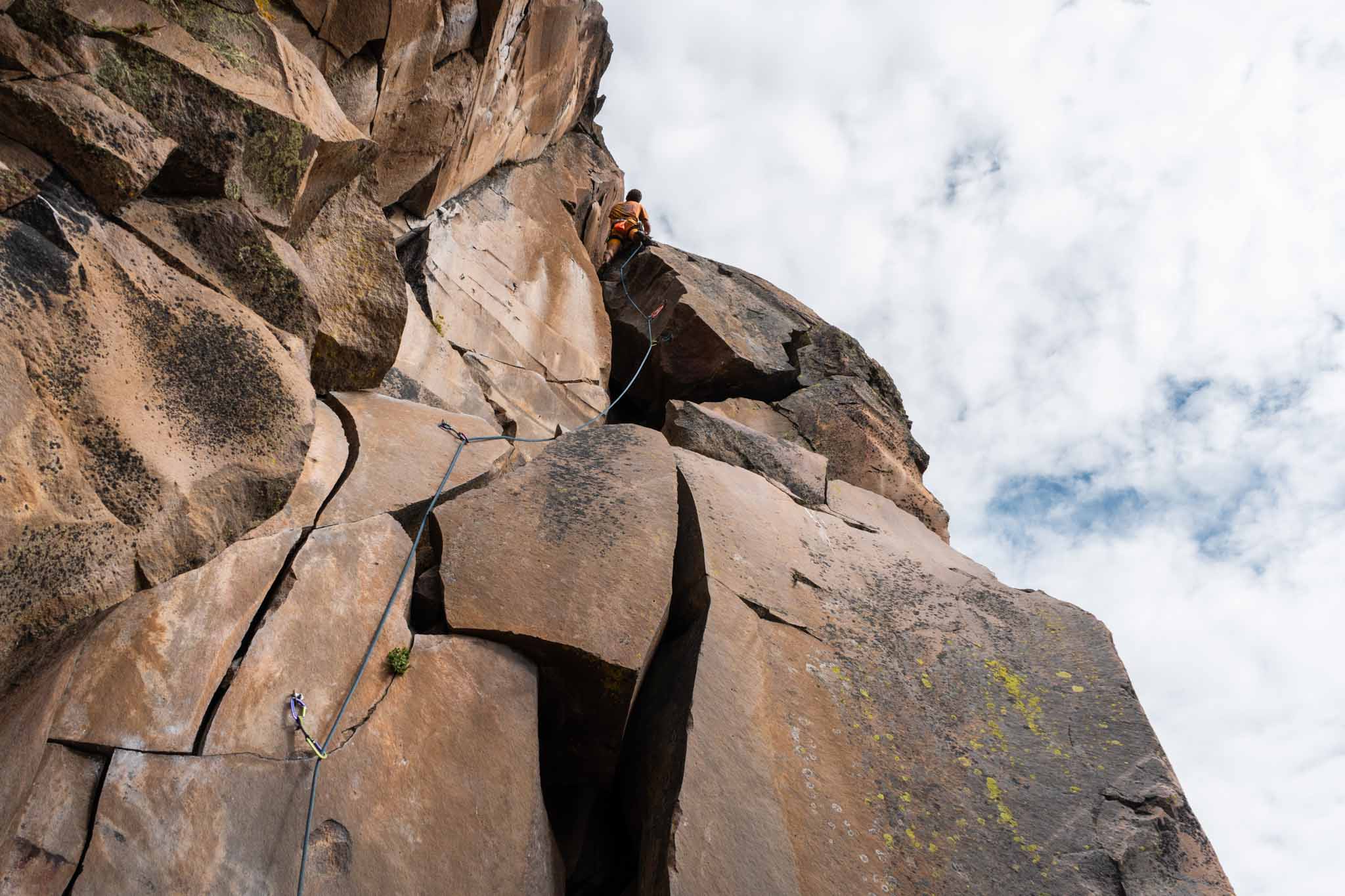
The Protected National Assets (PNA) of the Pillanmapu Geopark safeguard a large part of the high mountain range of the Pehuenche Pass, a territory where some of the most emblematic geosites of the Maule Andes are concentrated. These PNAs include landmarks such as the Inverted Waterfall, La Cárcel (The Prison) with its imposing basalt columns, the Valley of the Condors (a national reference point for sport climbing), the White Monks, and Laguna del Maule, the heart of an active volcanic system and one of the most monitored in the world.
While protected natural areas do not have the same level of active protection or management infrastructure as a National Reserve, their existence constitutes an important precedent for conservation: they officially recognize the public value of the territory and establish use limitations that help to safeguard these unique landscapes.
PRIVATE PARKS
Within the Pillanmapu Geopark, there are five important Private Protected Areas, established by landowners and organizations who have voluntarily chosen to safeguard valuable sections of the Maule mountain range. These private parks are: Tricahue, Peumayén Tenglo, Piedras Blancas, Quizapu, and Salto La Placeta.
Through management plans, access control, and ecological restoration efforts, these parks contribute directly to the protection of the region's natural and cultural heritage. Their work complements public efforts and strengthens the Geopark's conservation model, demonstrating that private management can be a key ally for sustainable development and the protection of the Maule Andes.
Tricahue
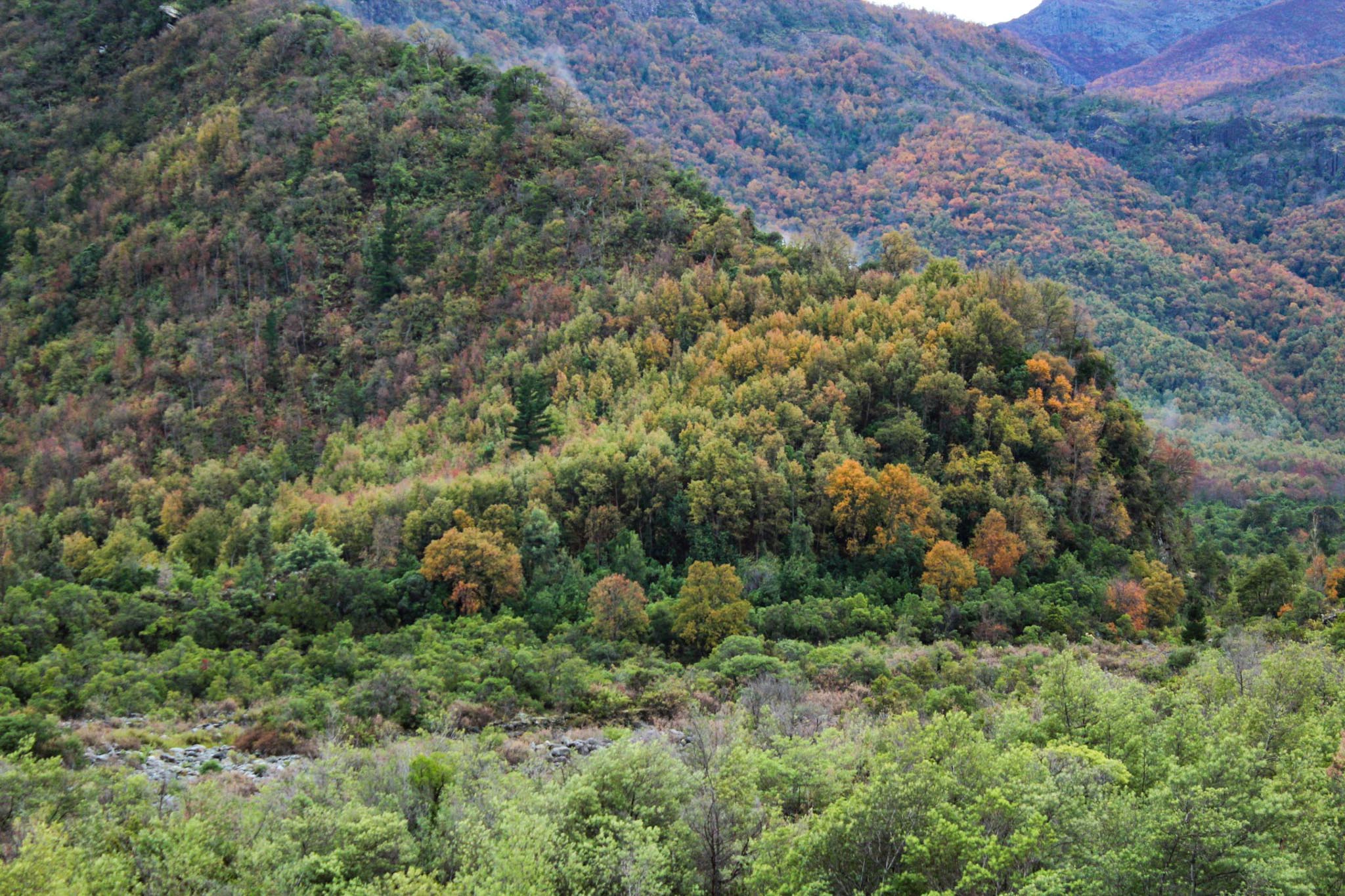
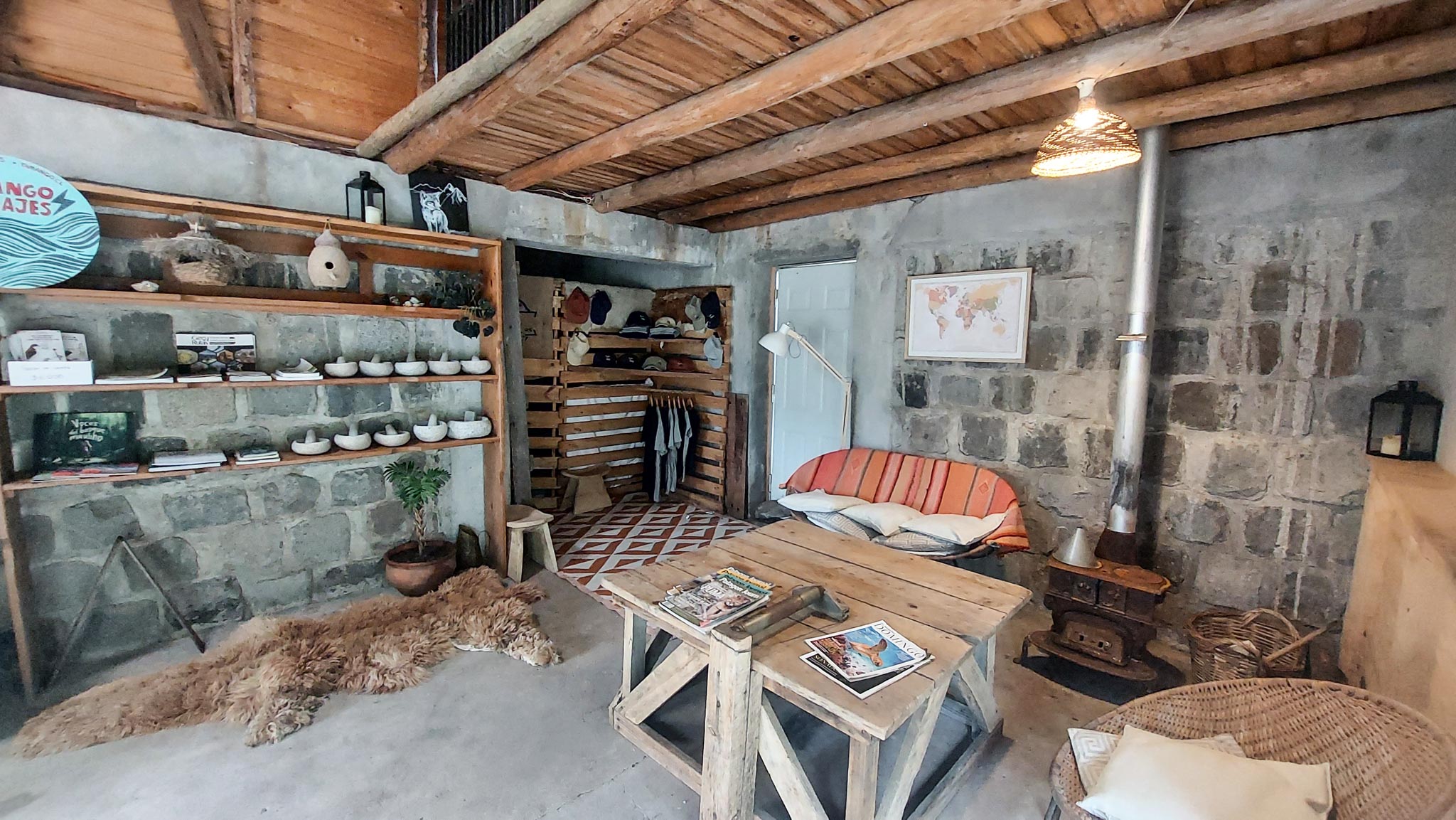
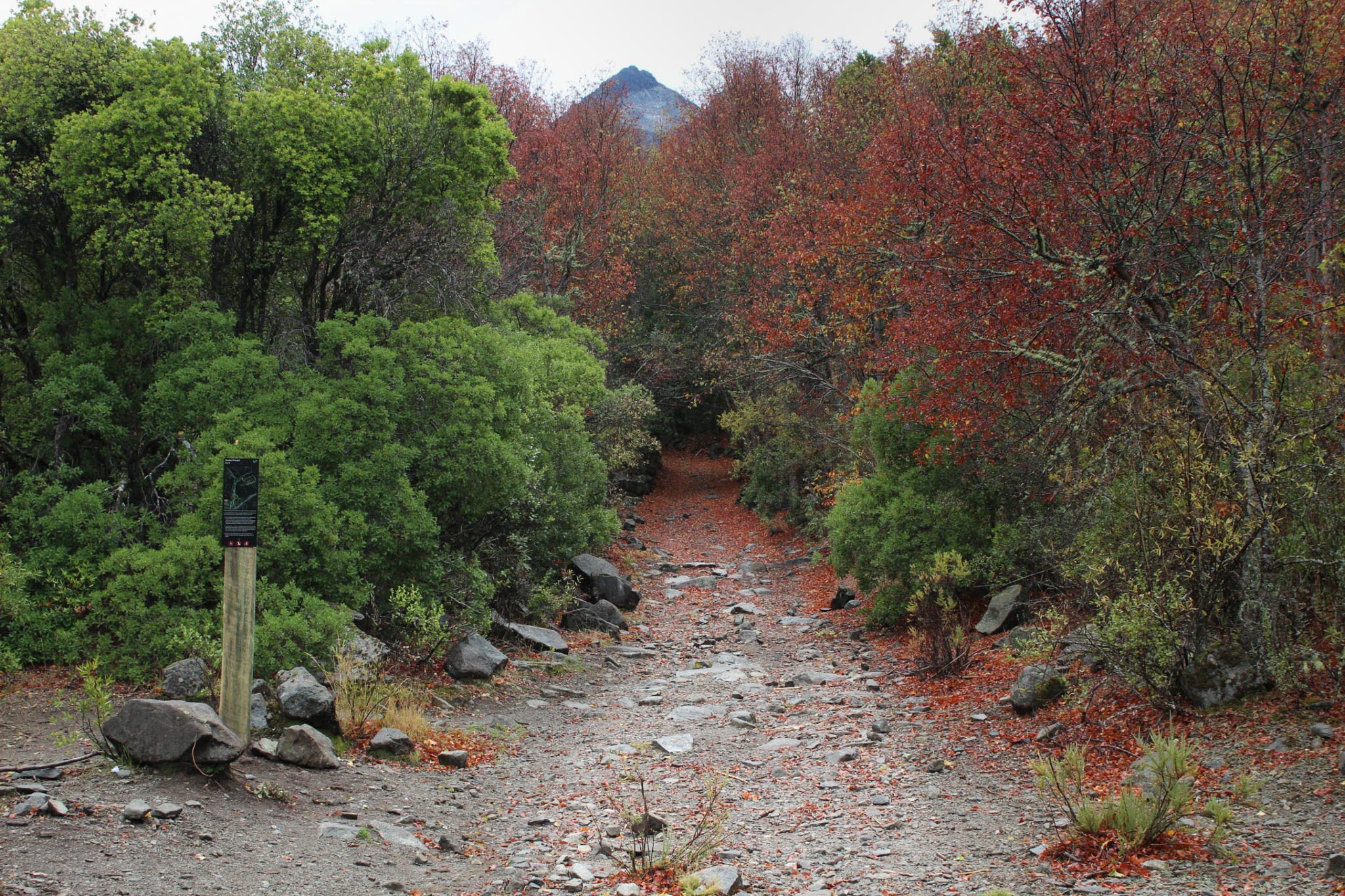
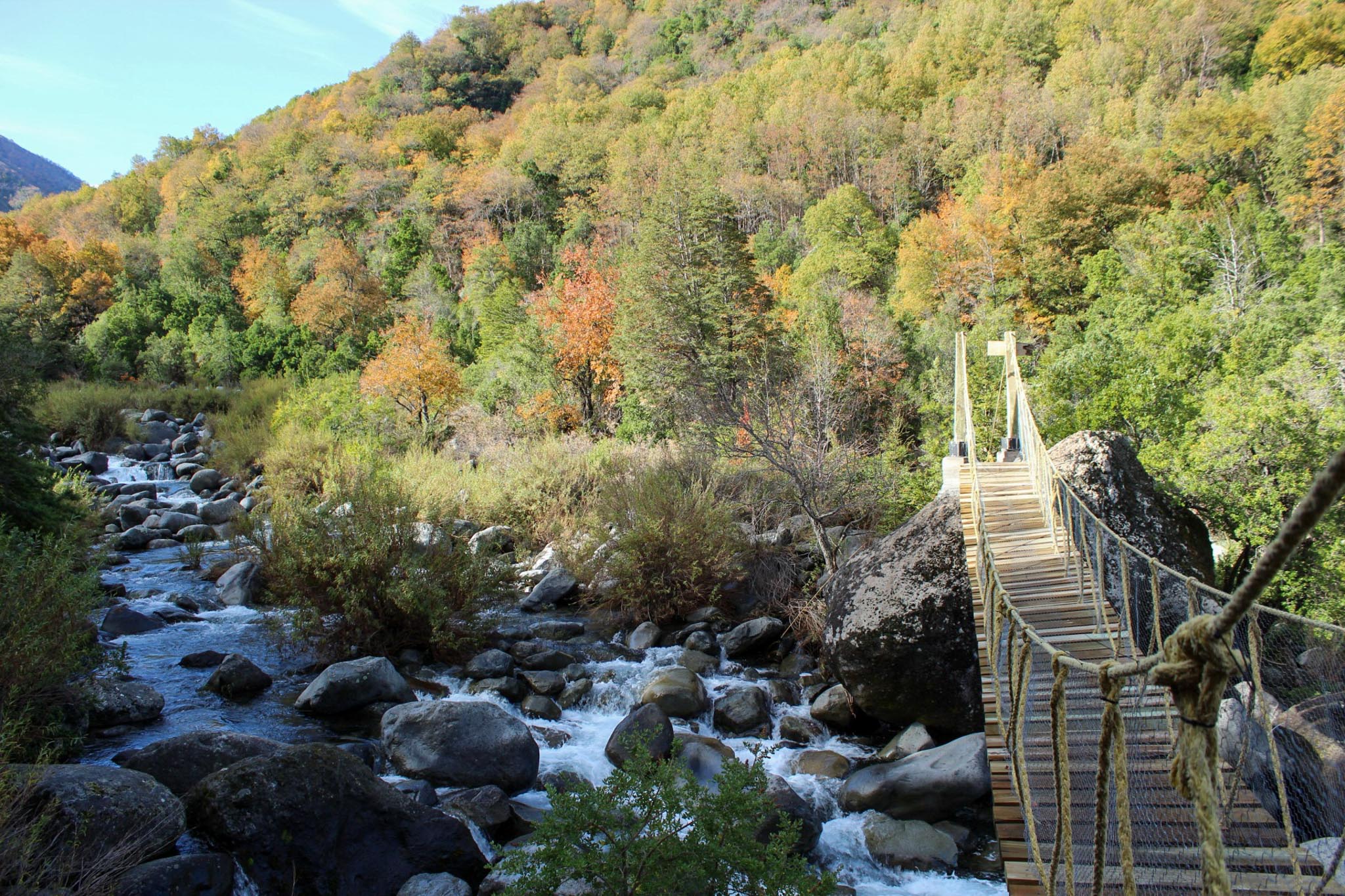
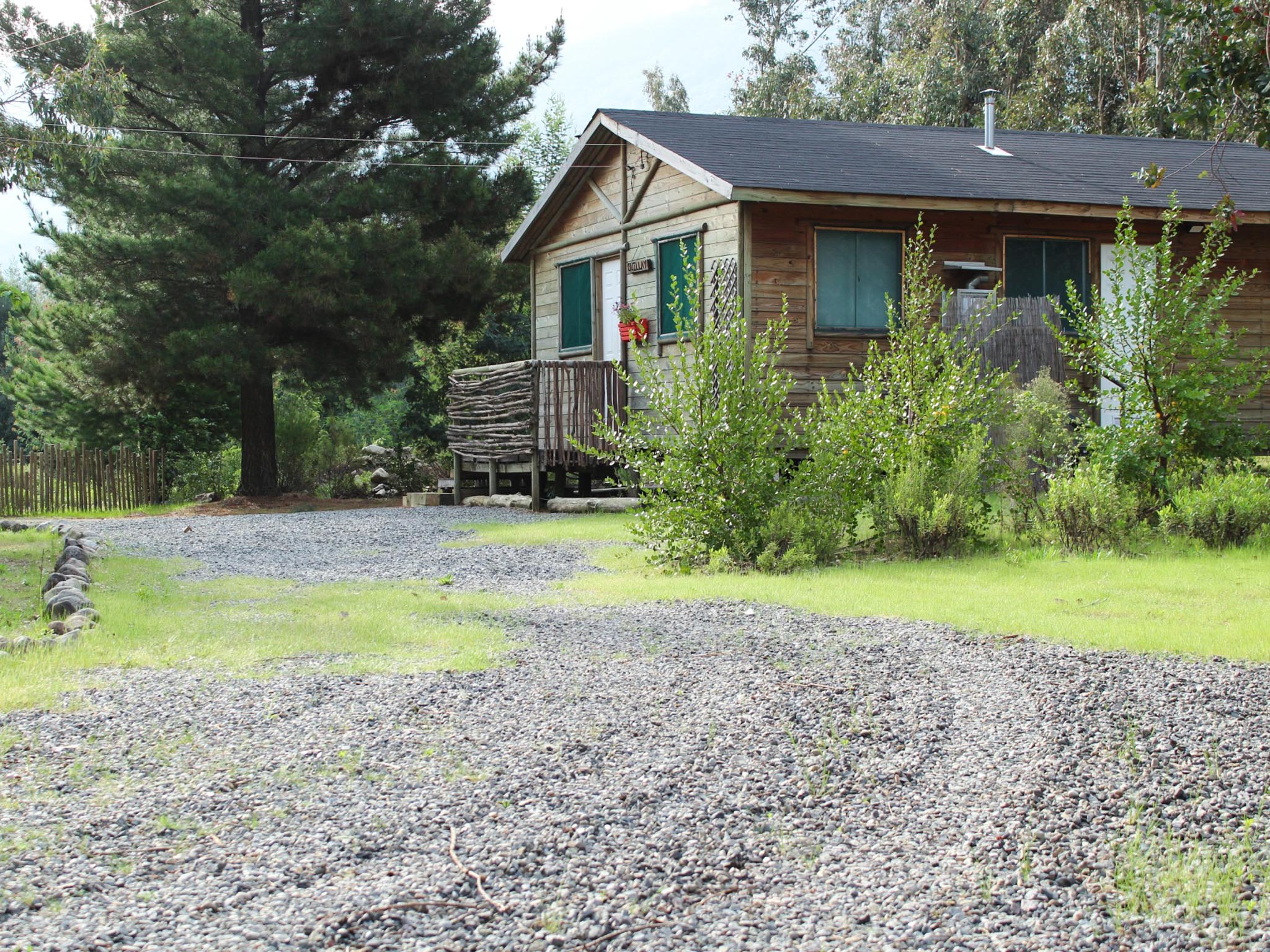
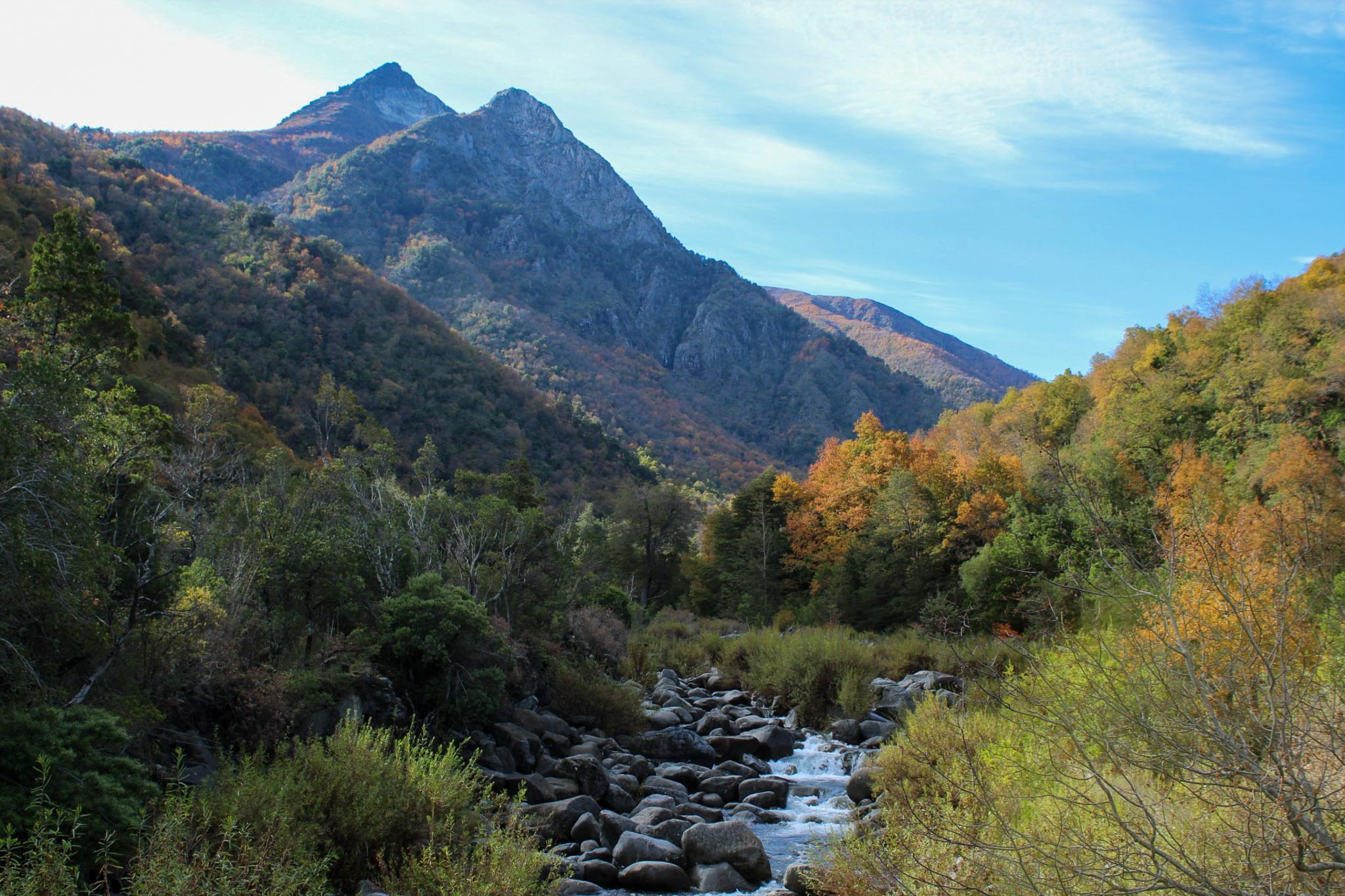
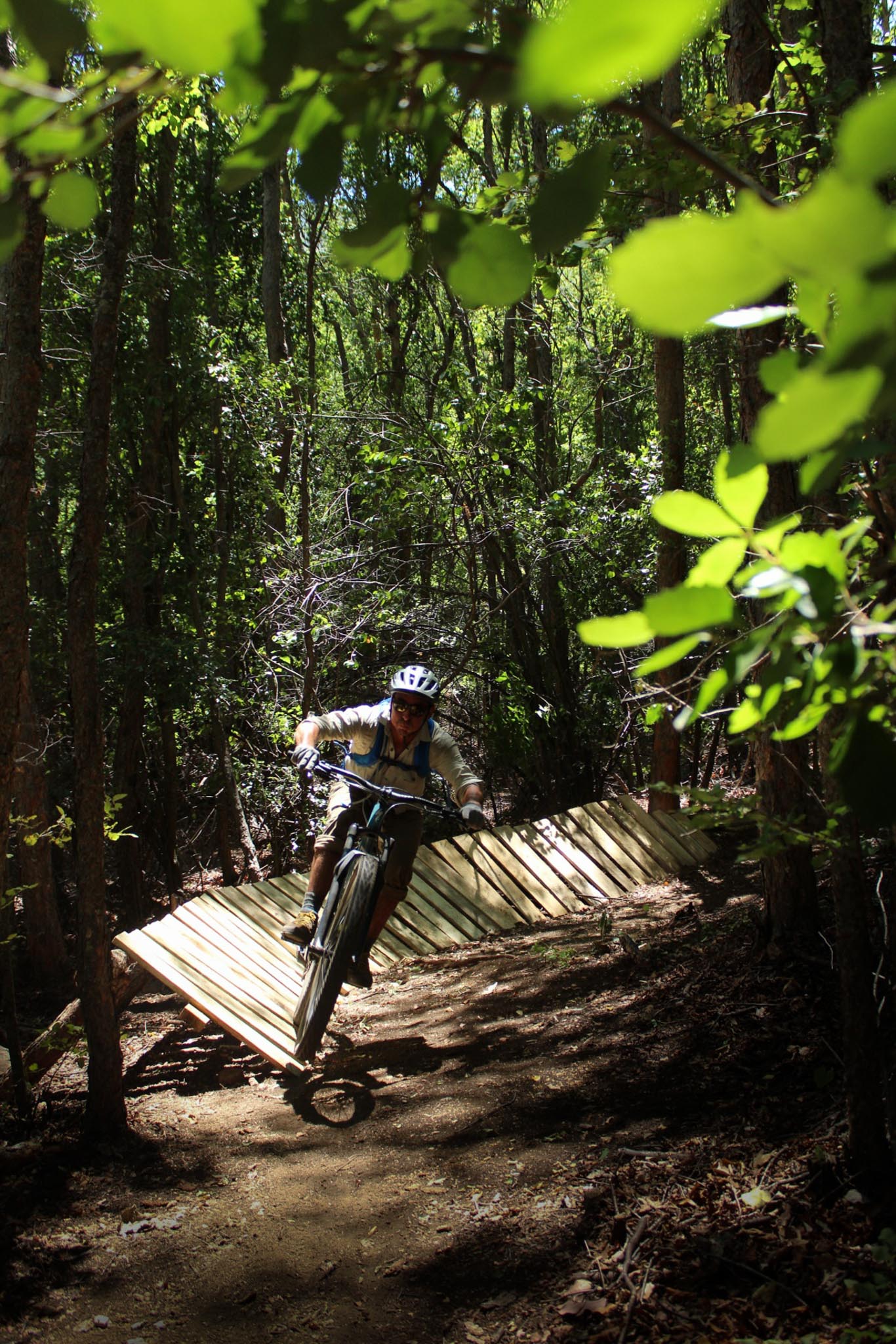
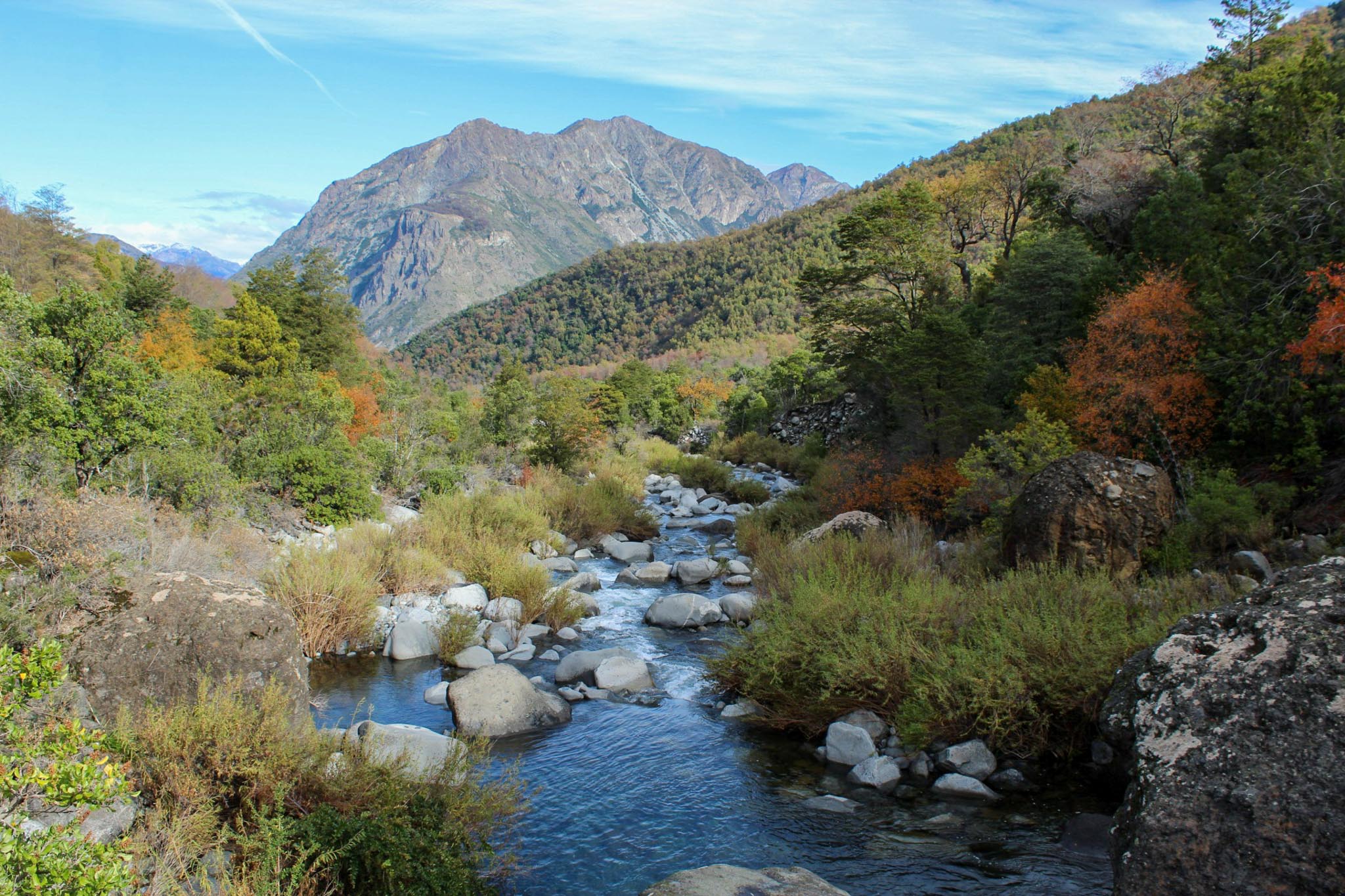
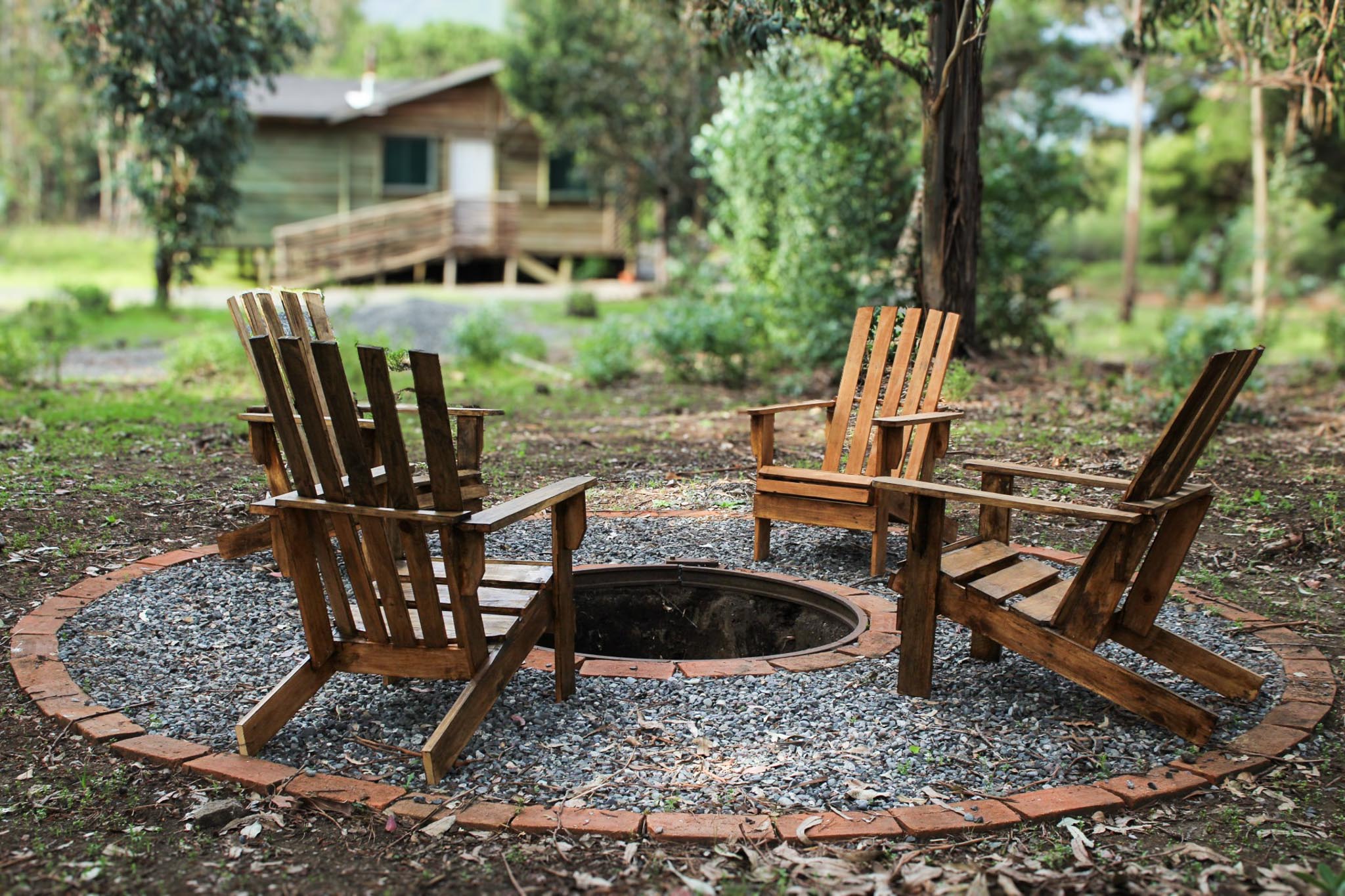
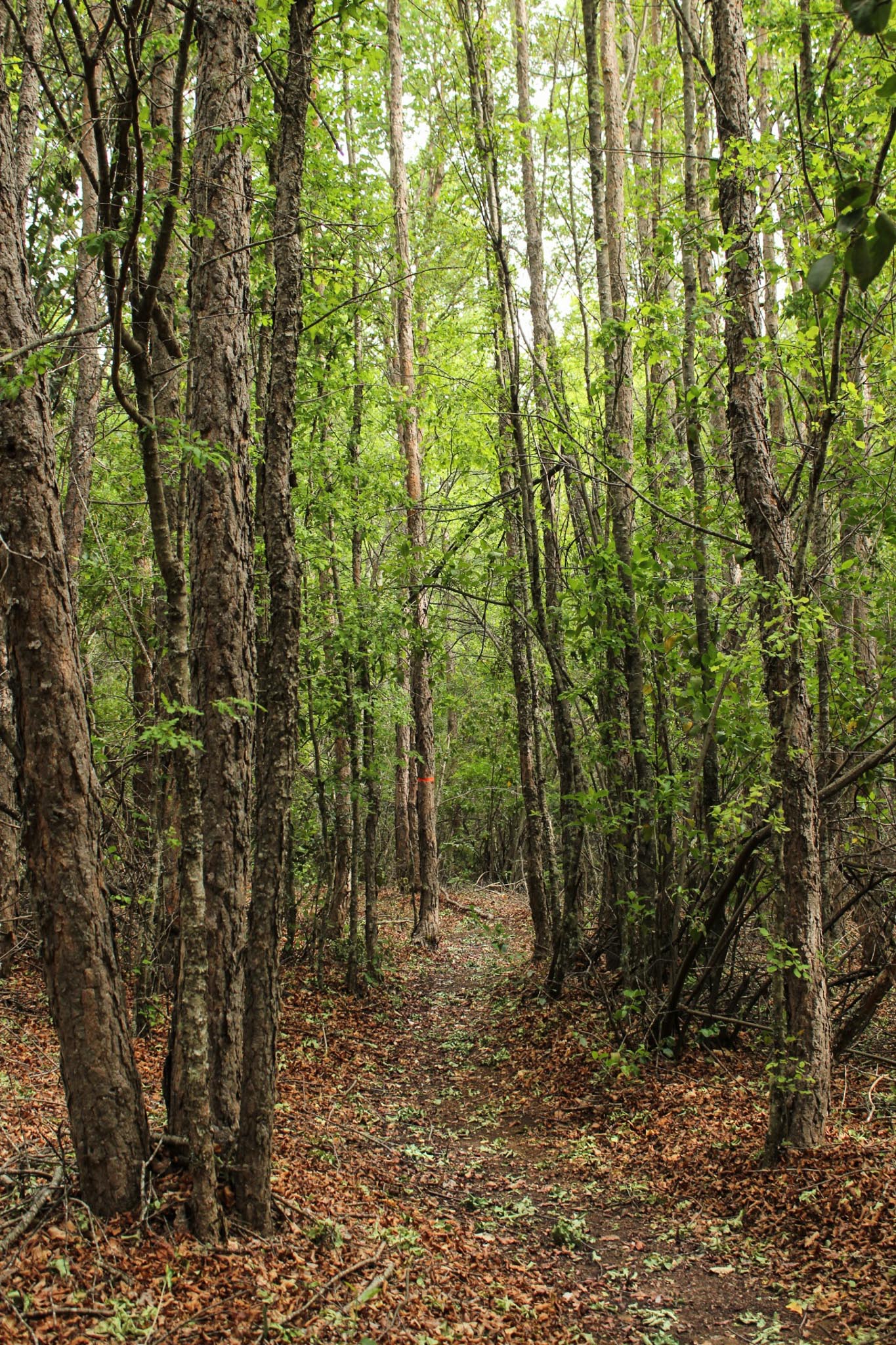
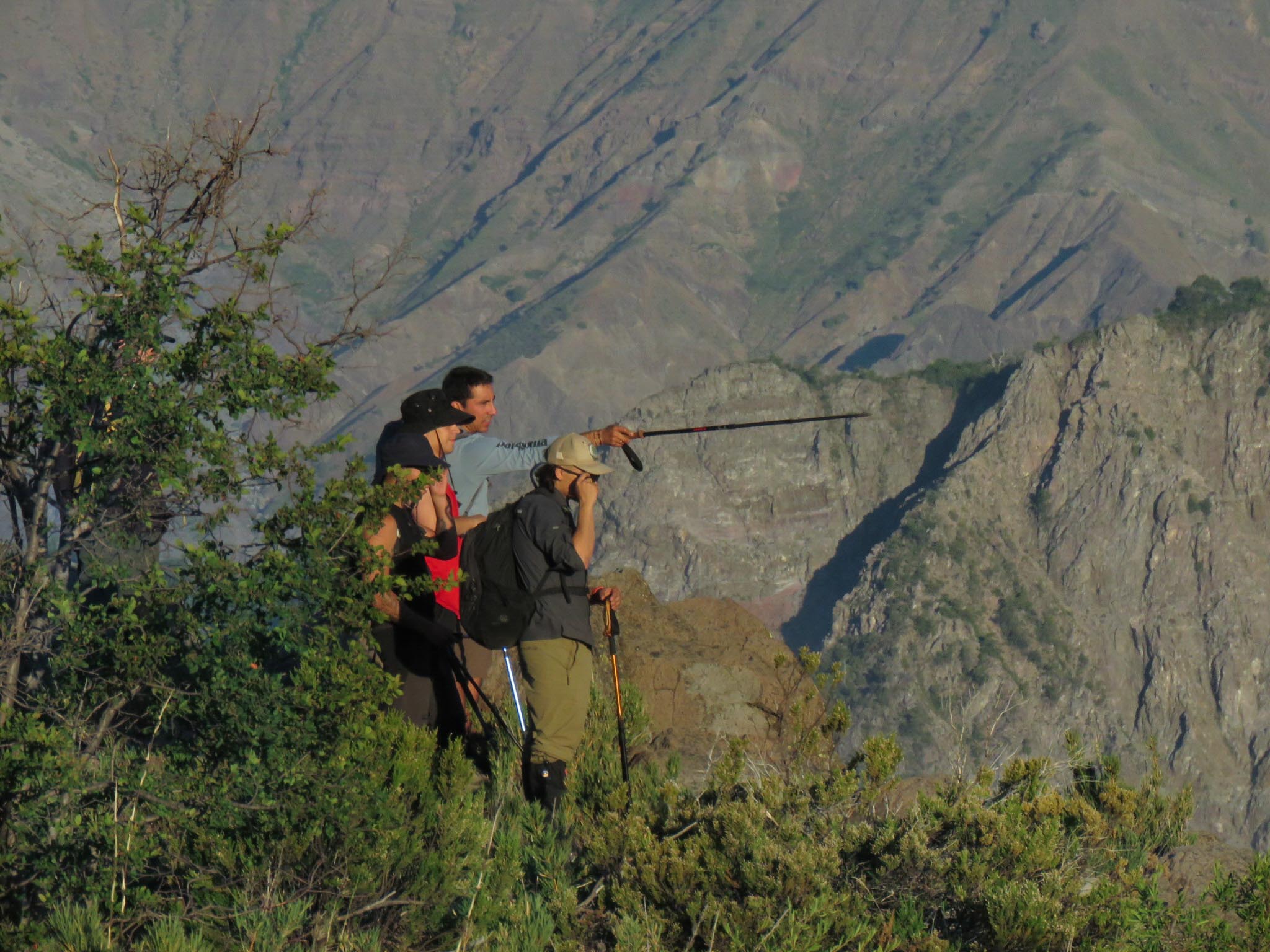
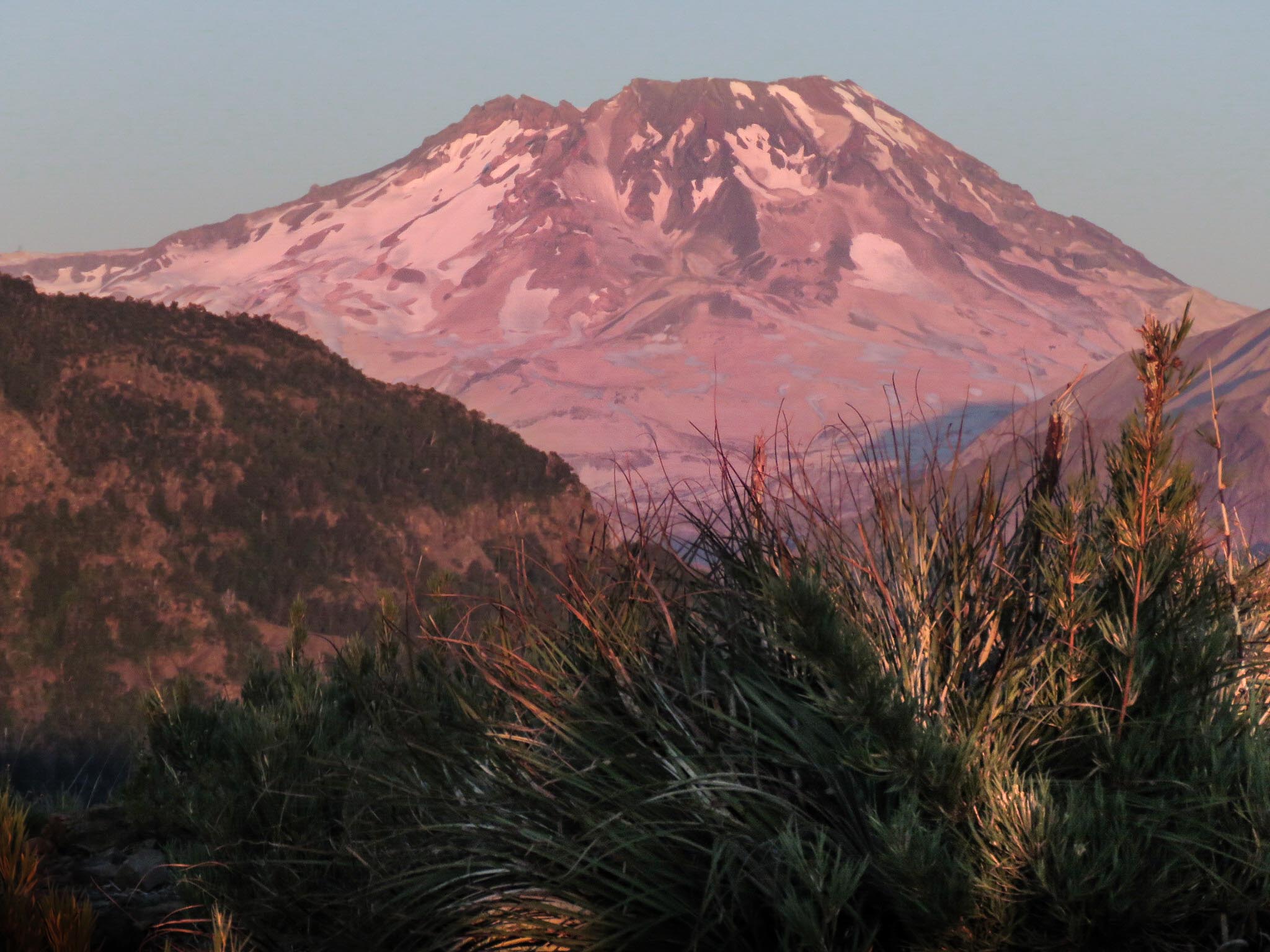
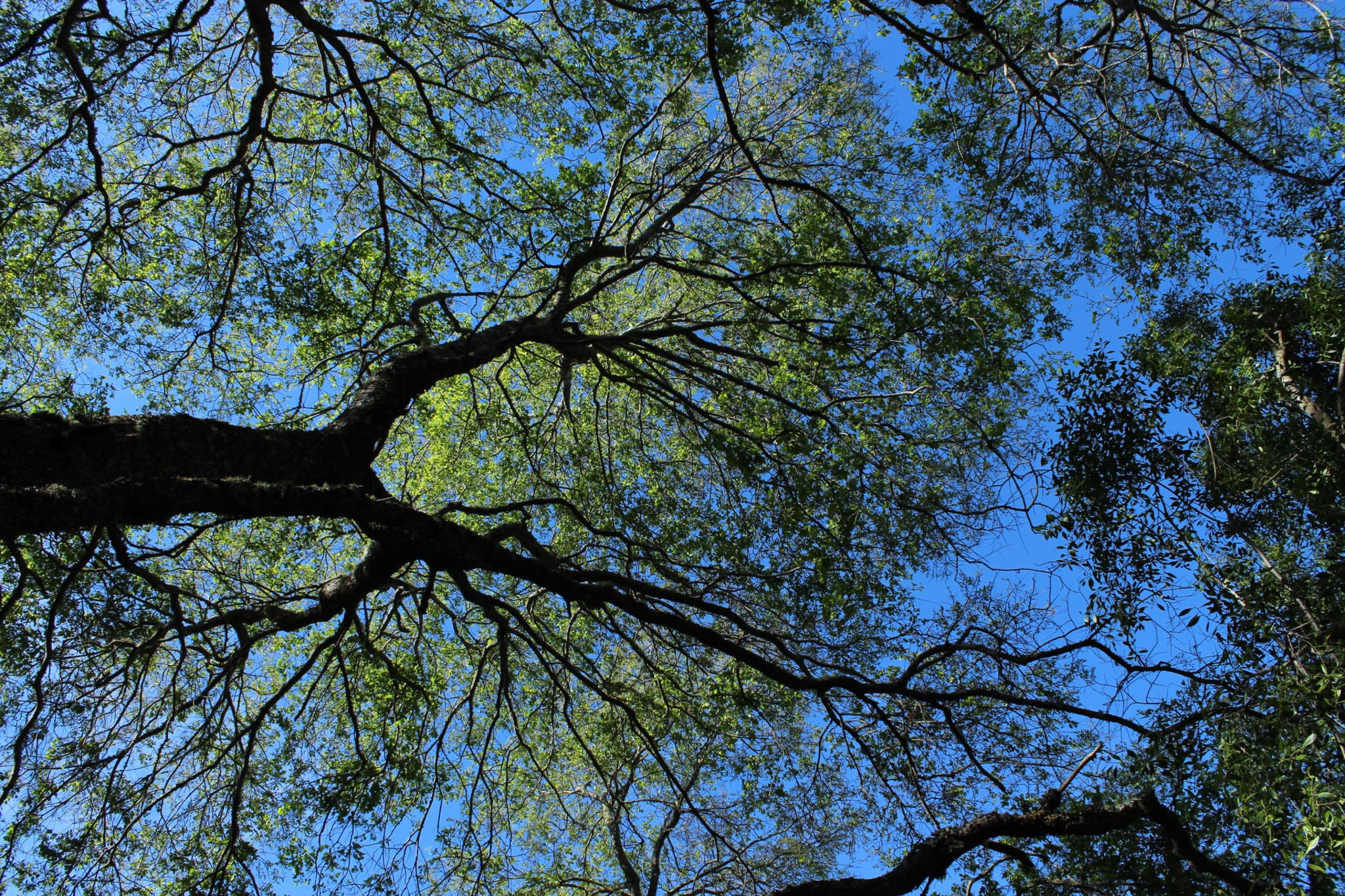
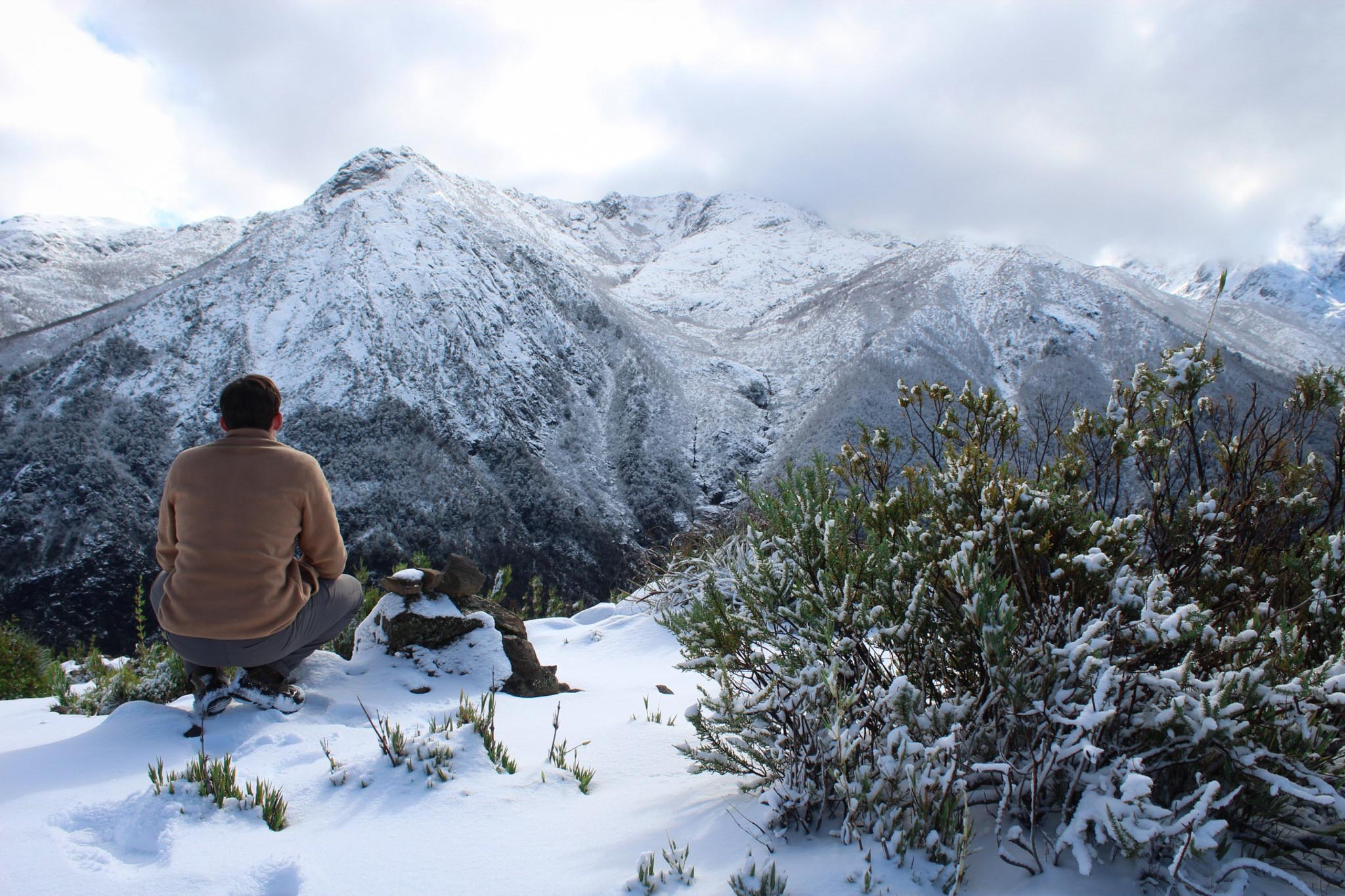
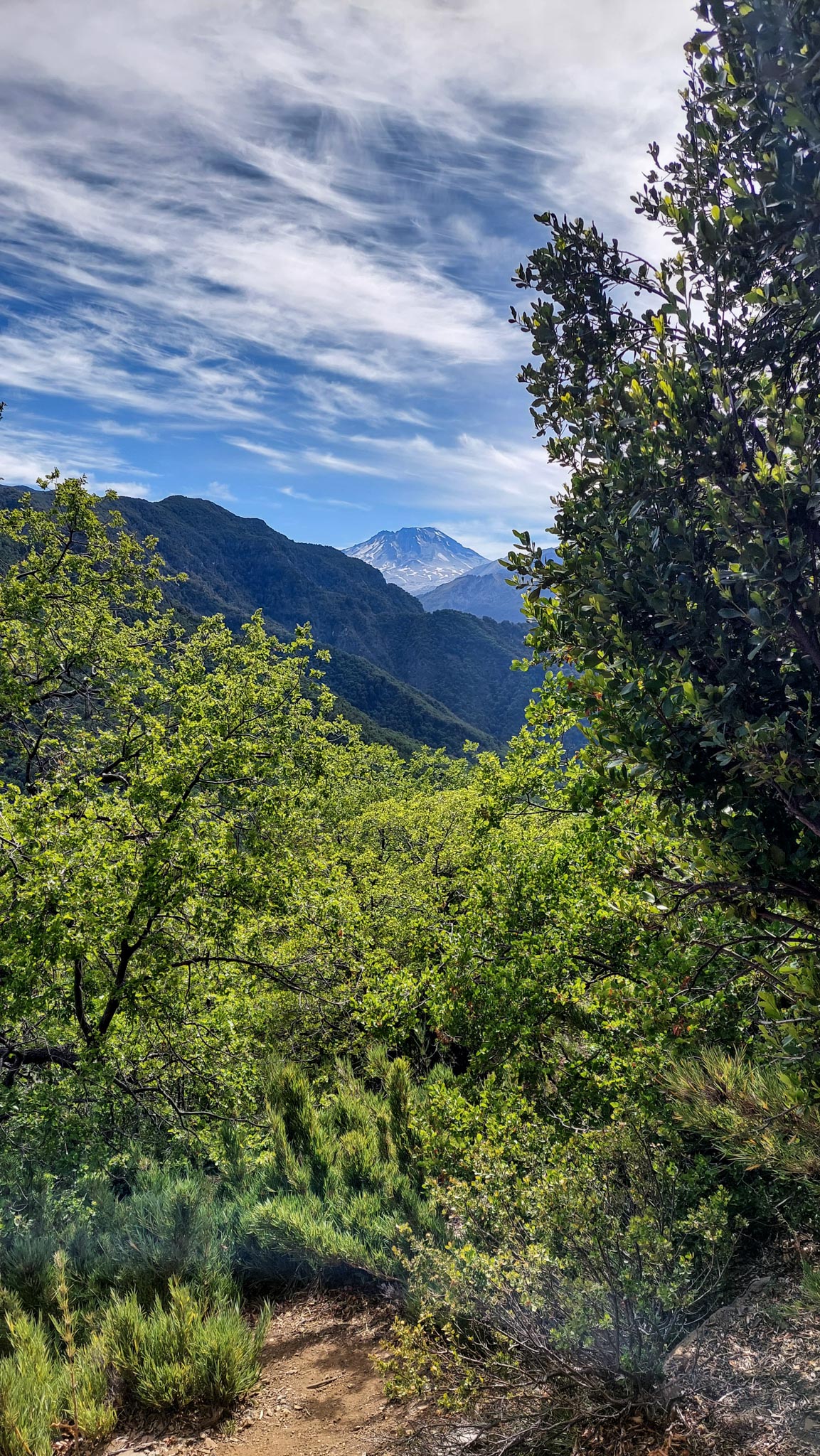
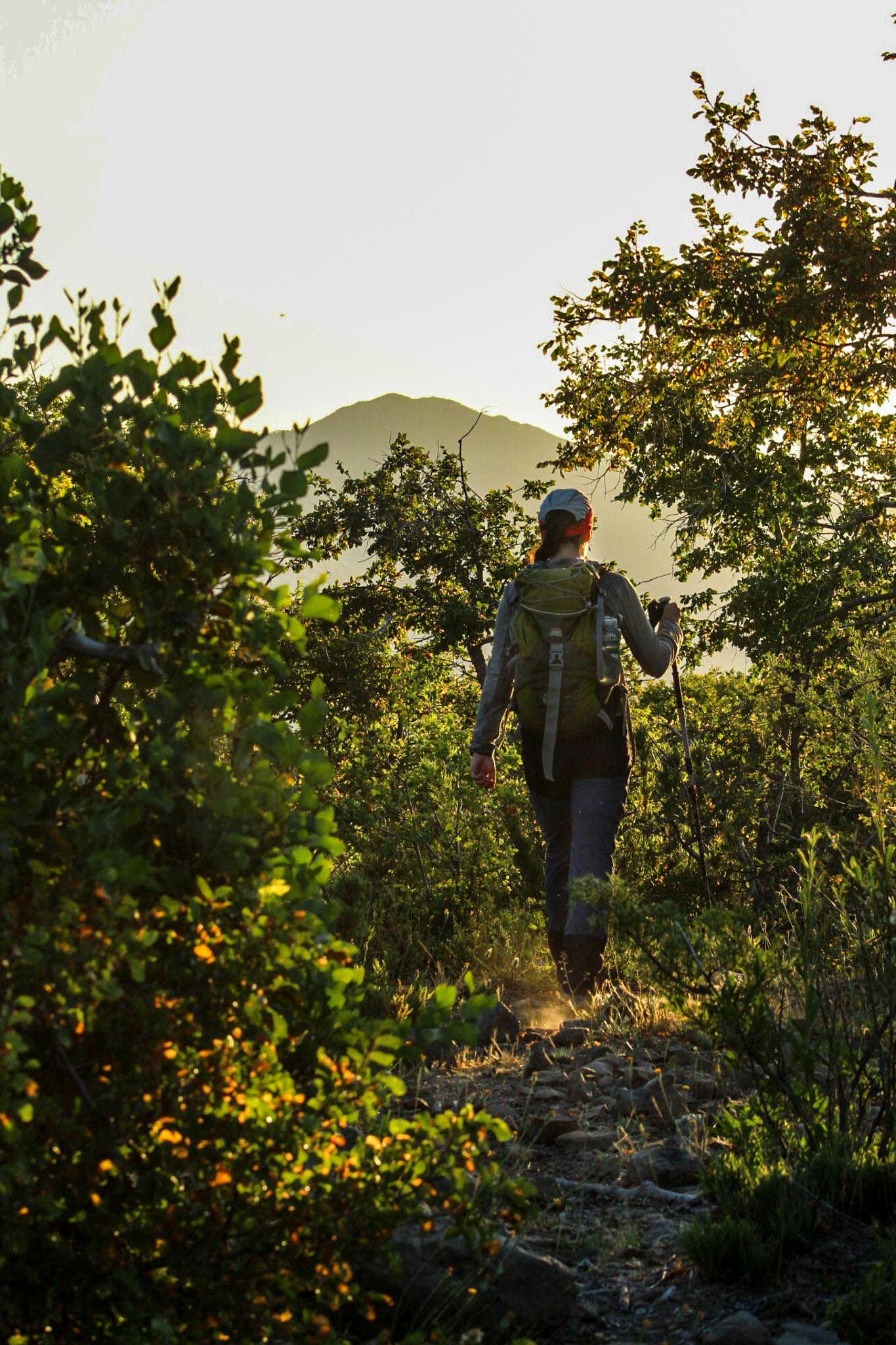

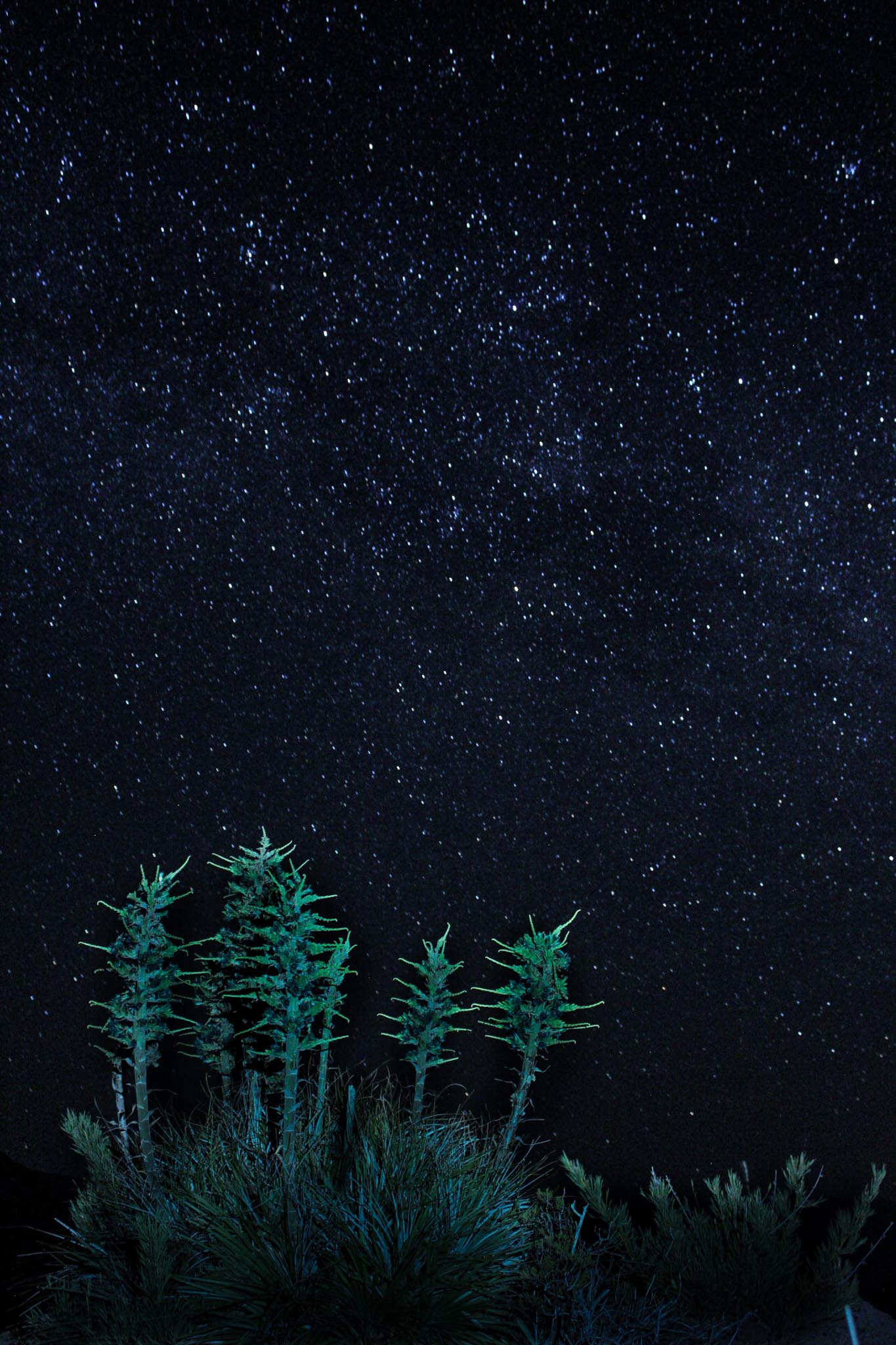
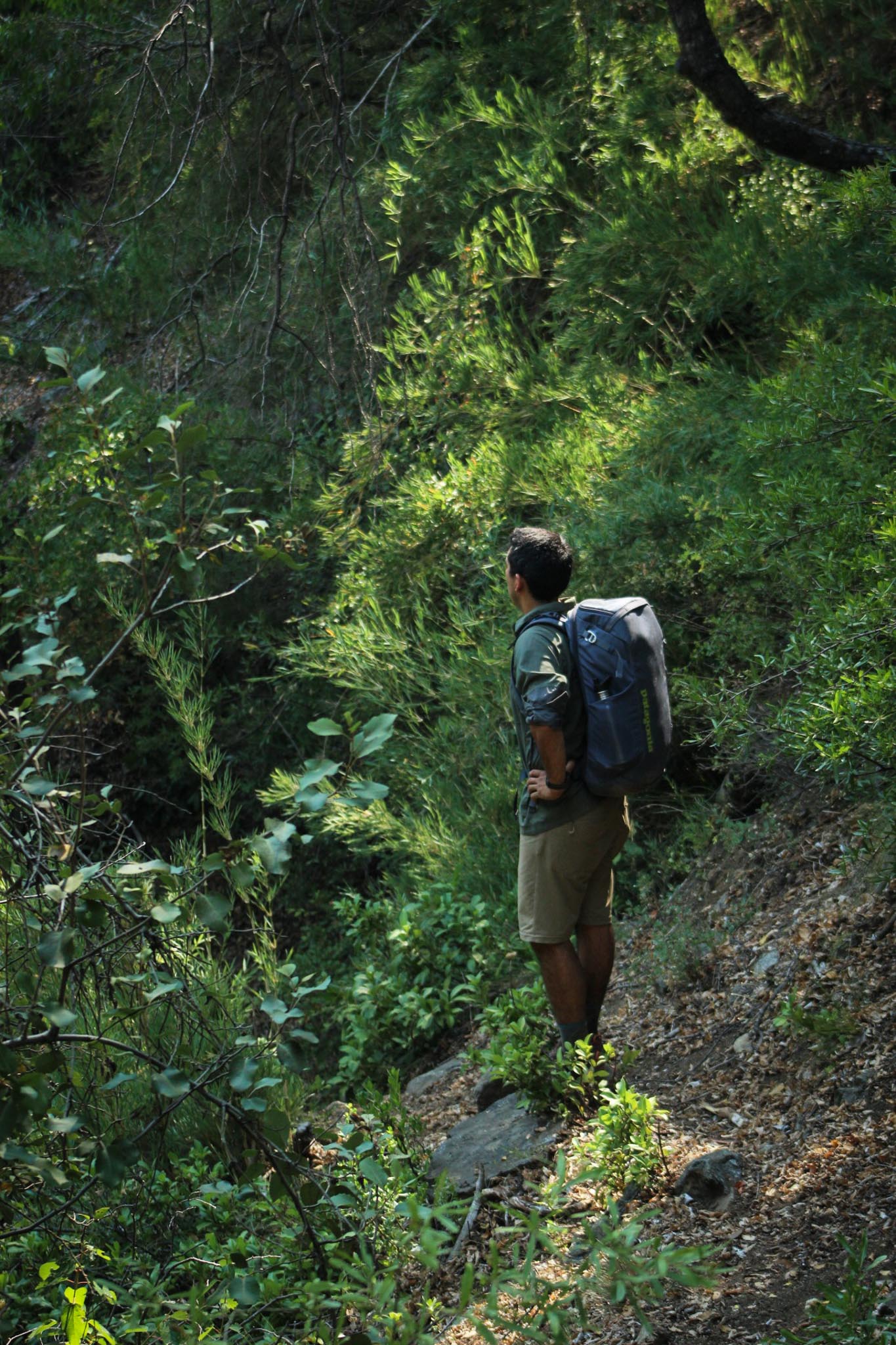
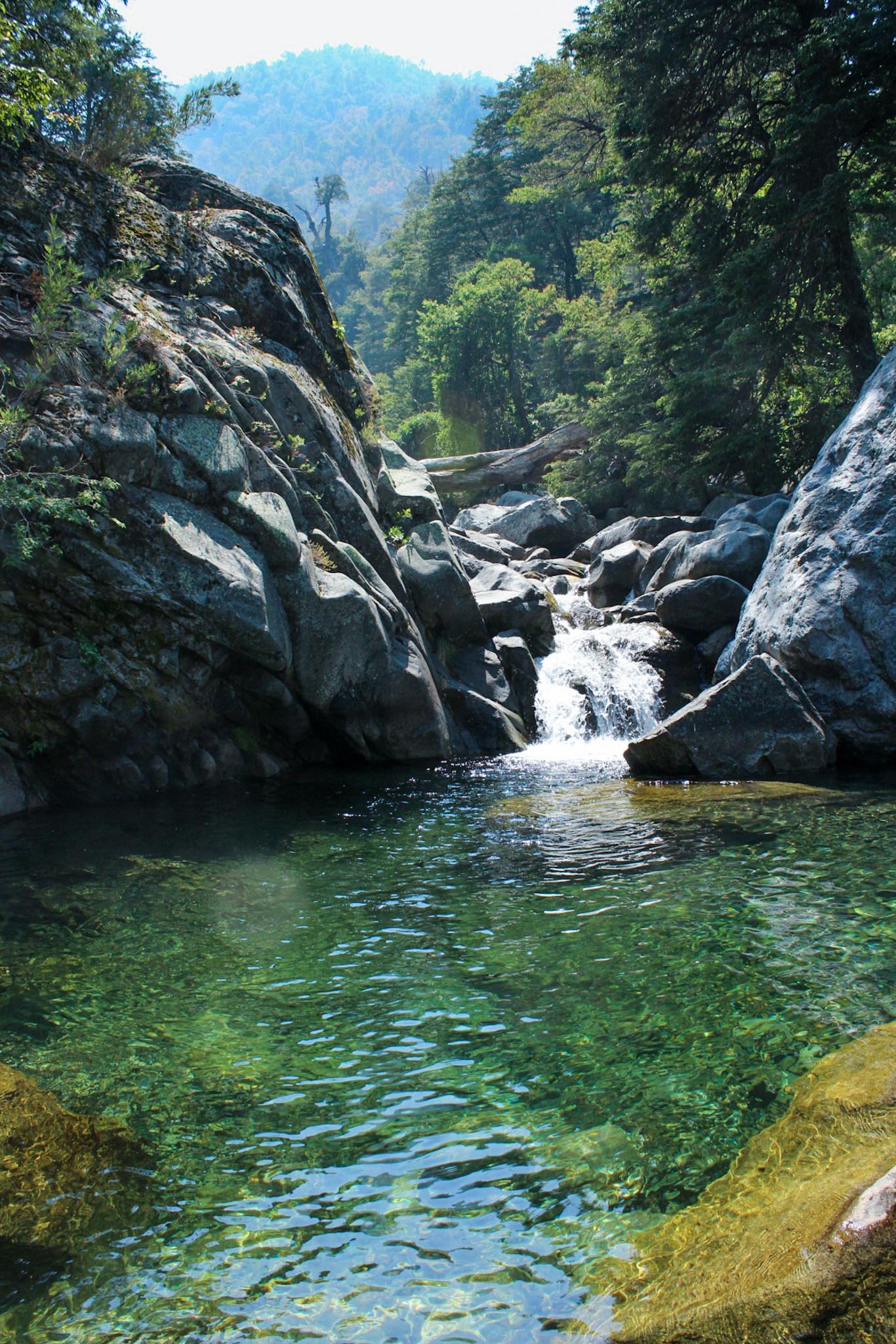
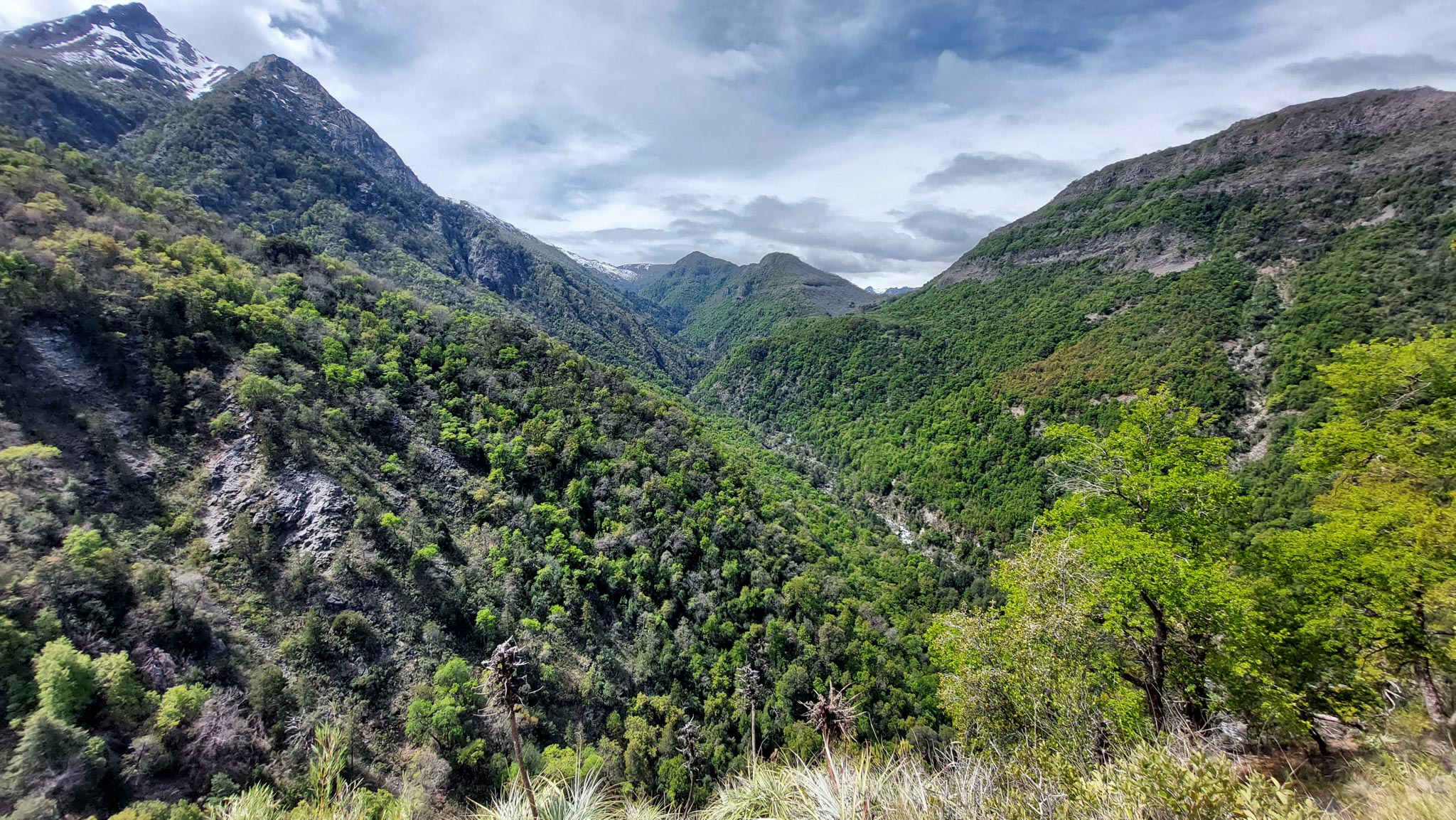
Tricahue Natural Park is a private conservation initiative that protects 2,000 hectares of native forest, corresponding to the entire Tricahue Estuary basin.
Focused on promoting outdoor sports, environmental education and conservation, the park has a network of trails that can be visited for the day or it also has accommodation for a longer stay.
Located in a transition zone between the forests of northern and southern Chile, combined with an altitude between 500 and 2000 meters above sea level and a privileged microclimate, the park is a unique and unmissable destination for nature and outdoor lovers.
Quizapu
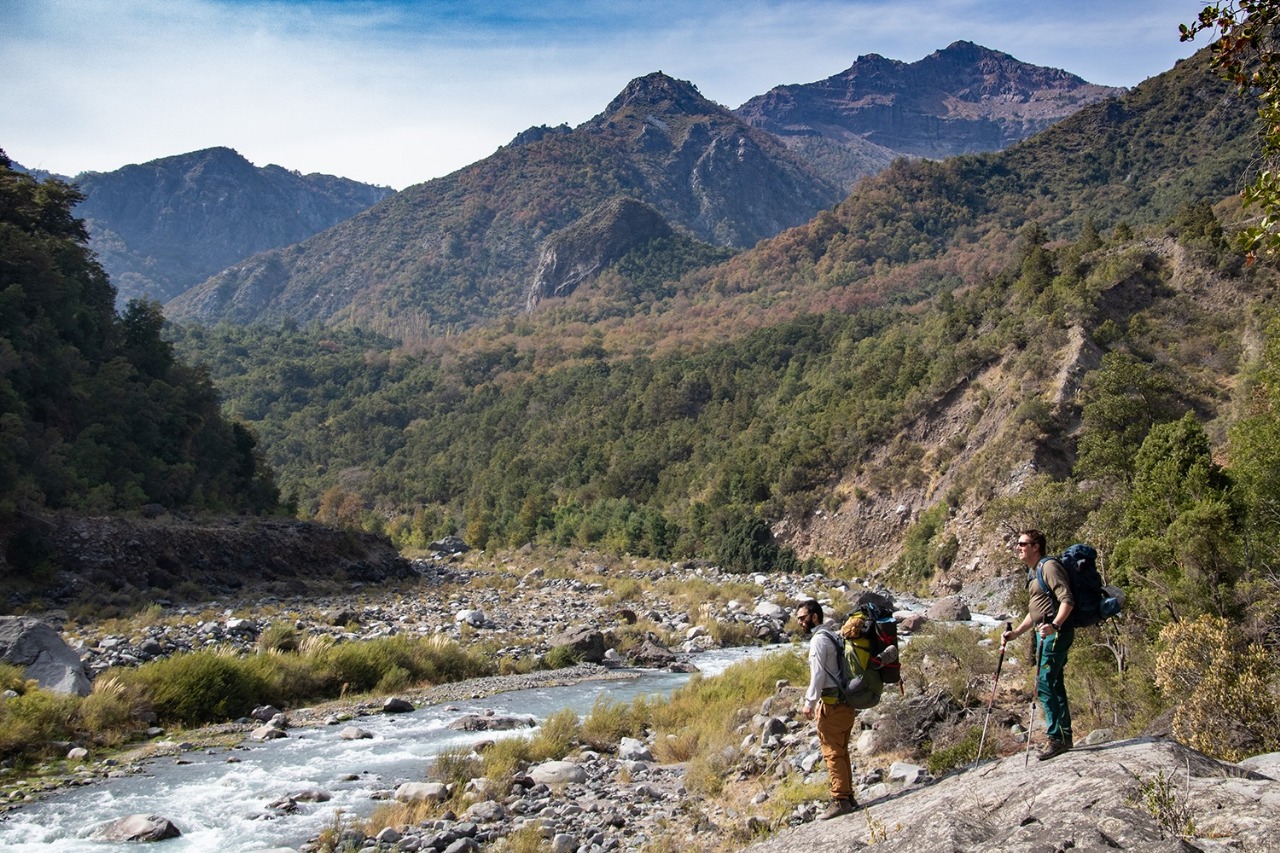
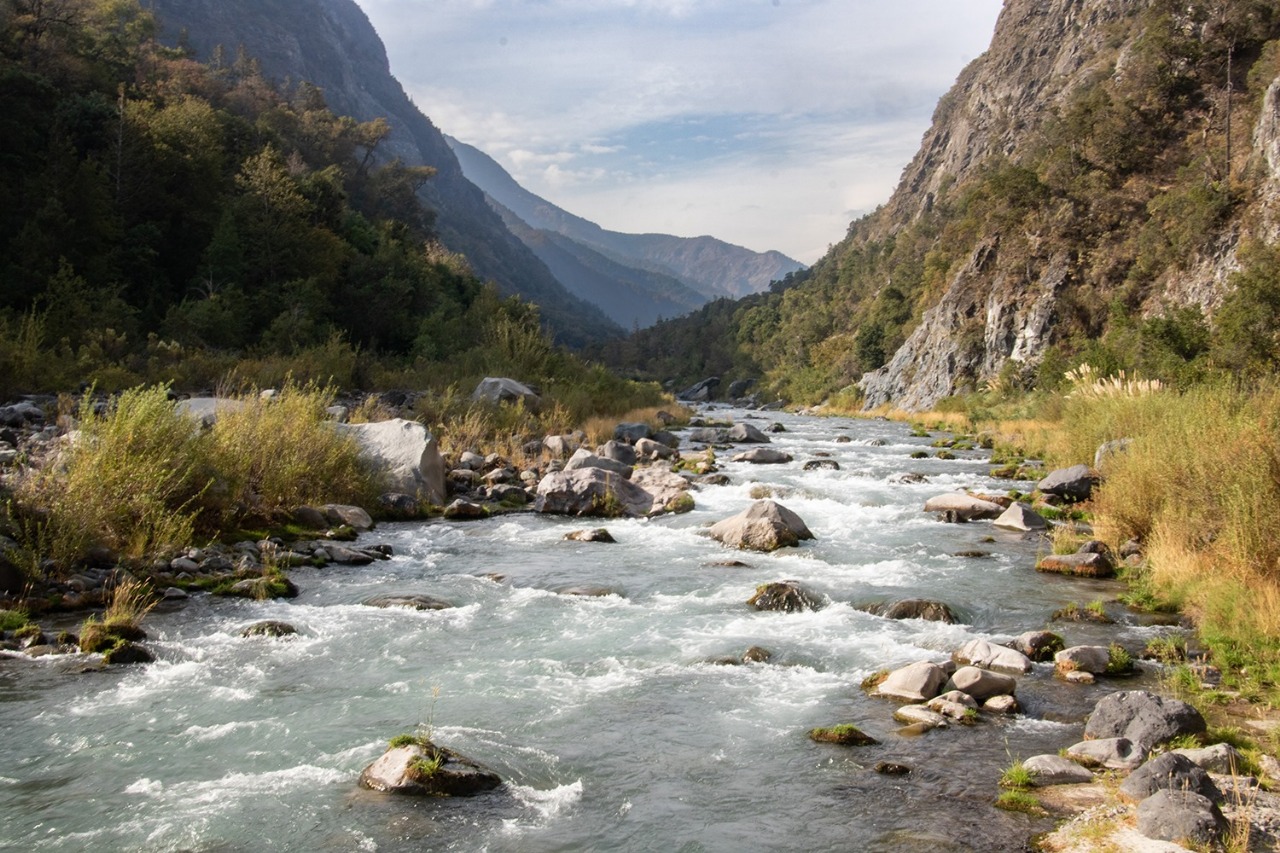
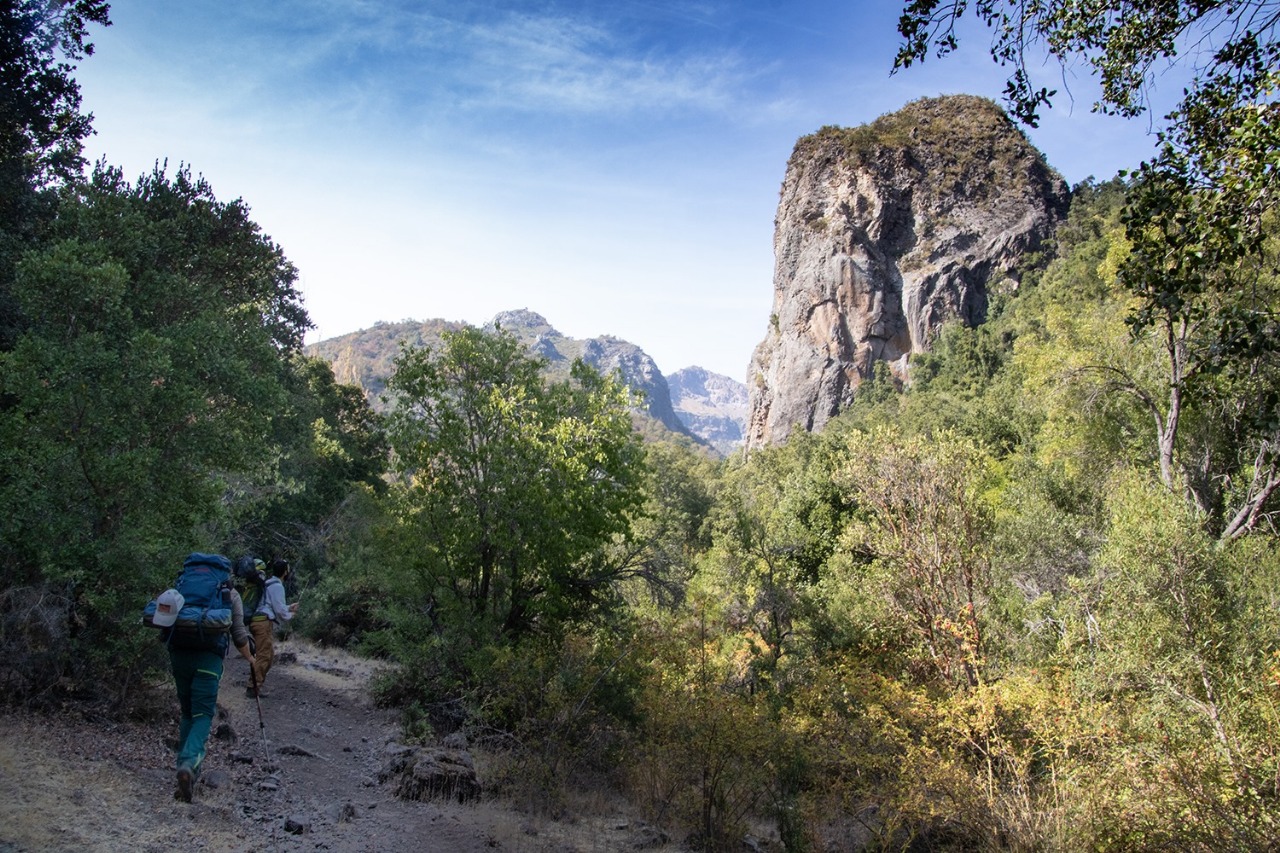
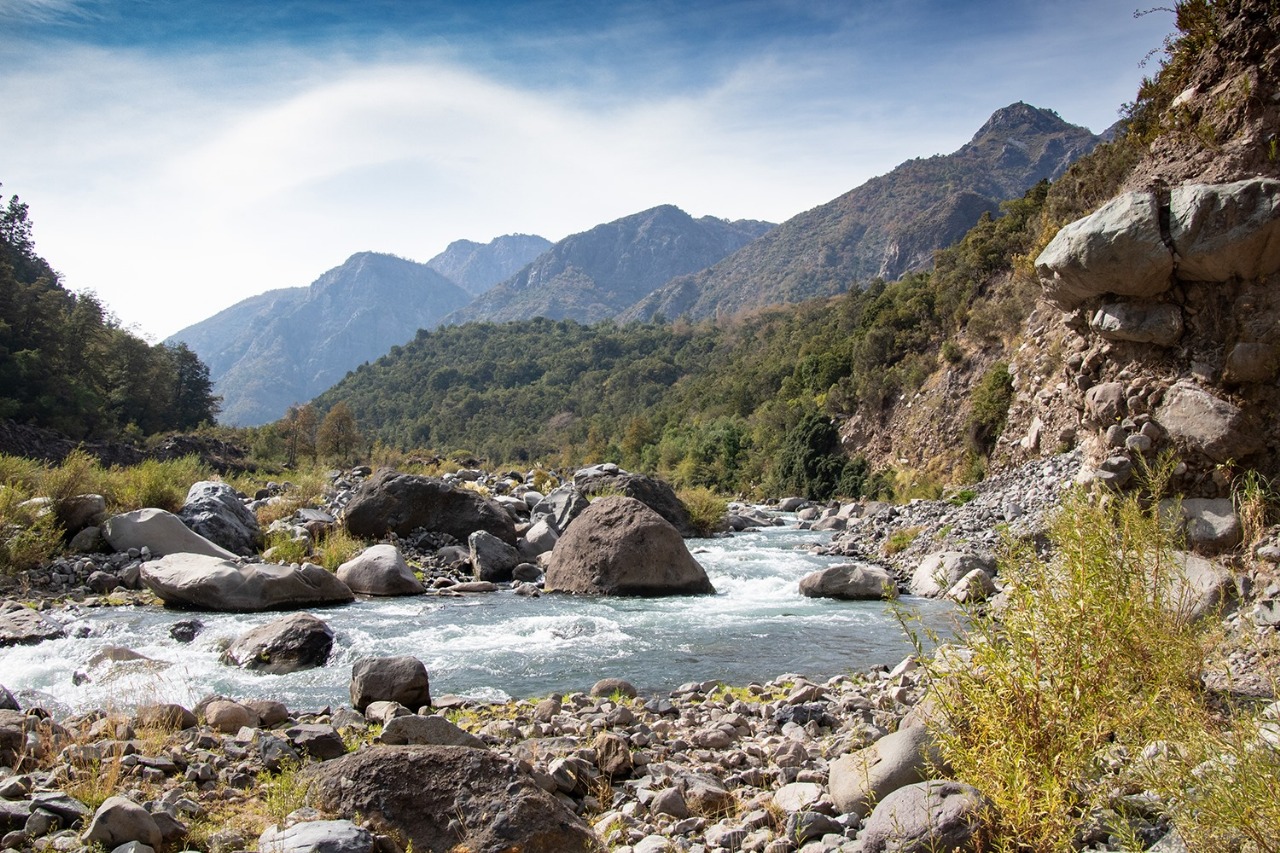
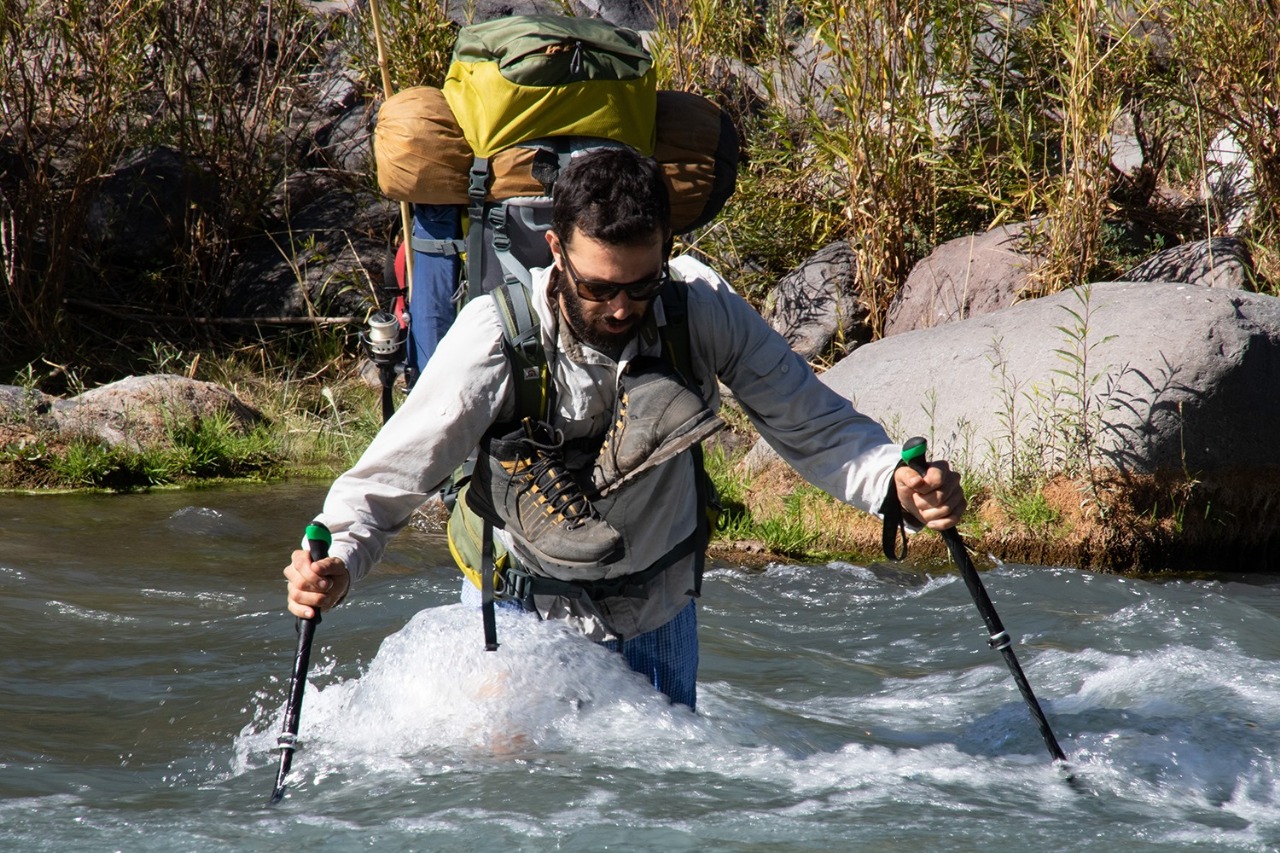

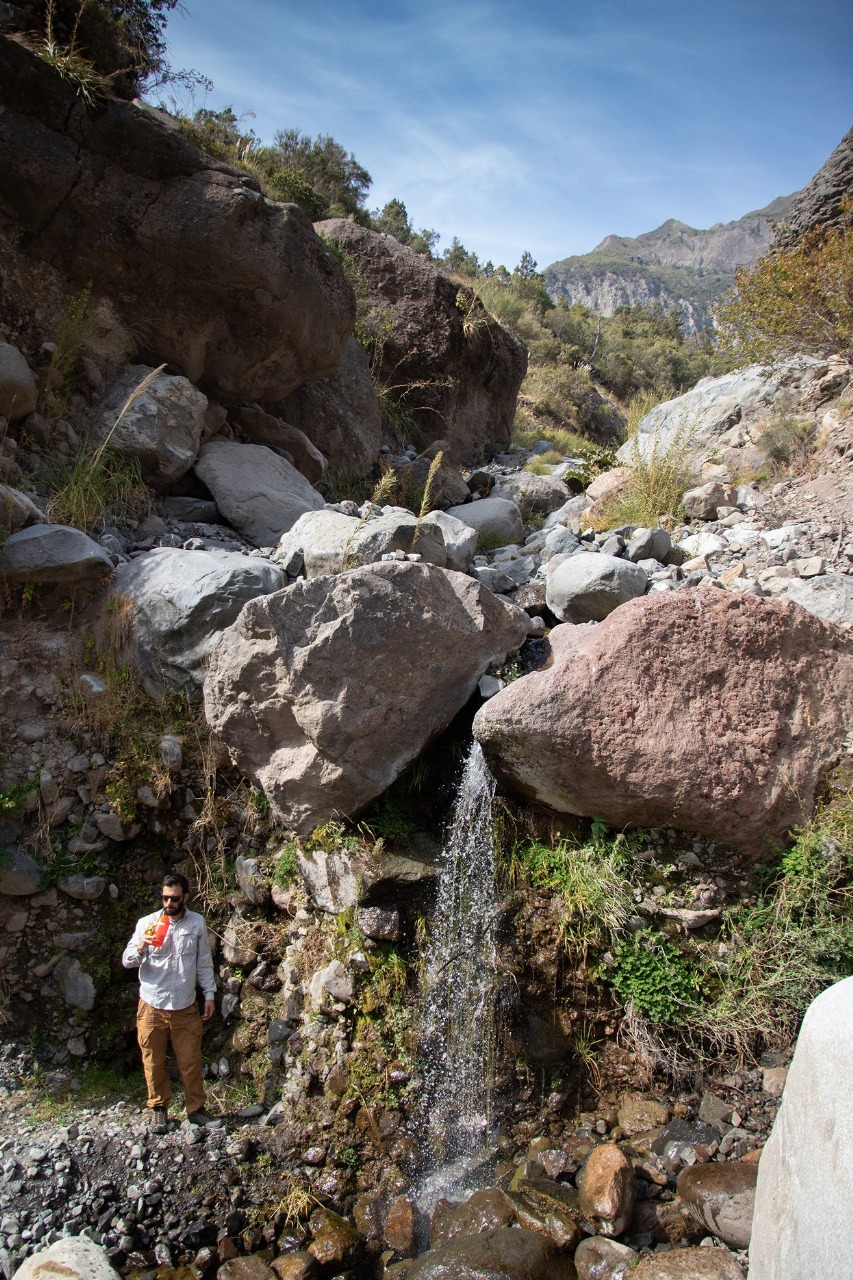

Quizapú Natural Park covers an area of over 2,000 hectares between the Claro River to the west and the imposing Descabezado Grande and Cerro Azul volcanoes to the east. The name comes from the enormous Quizapú explosion crater, located between the two volcanic giants.
Along the river's course, 400 hectares of native forest thrive. At higher altitudes, the mountain slopes are dominated by 600 hectares of scrubland.
The natural park can only be visited with local guides and permission must be requested in writing.
White Stones
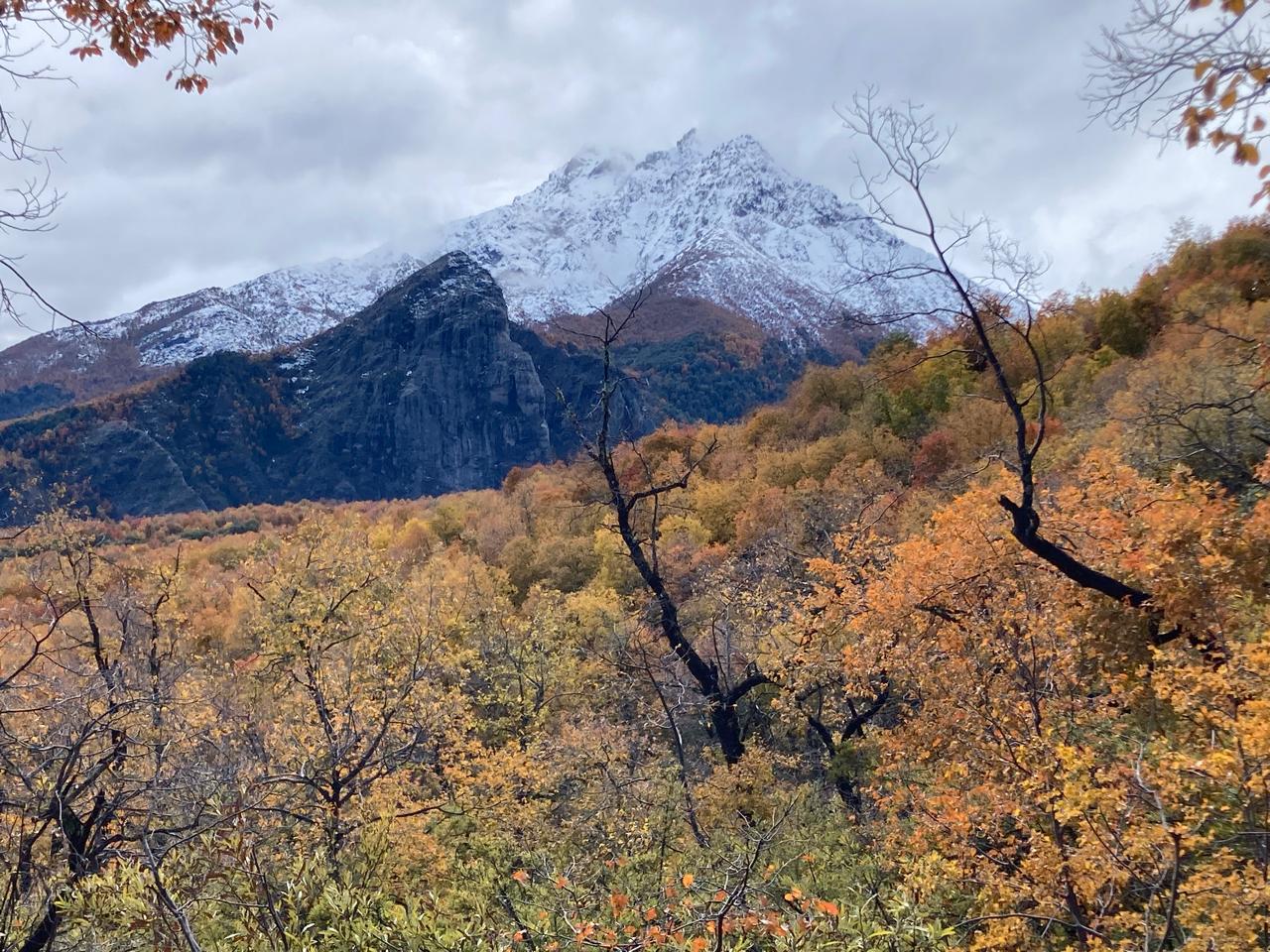
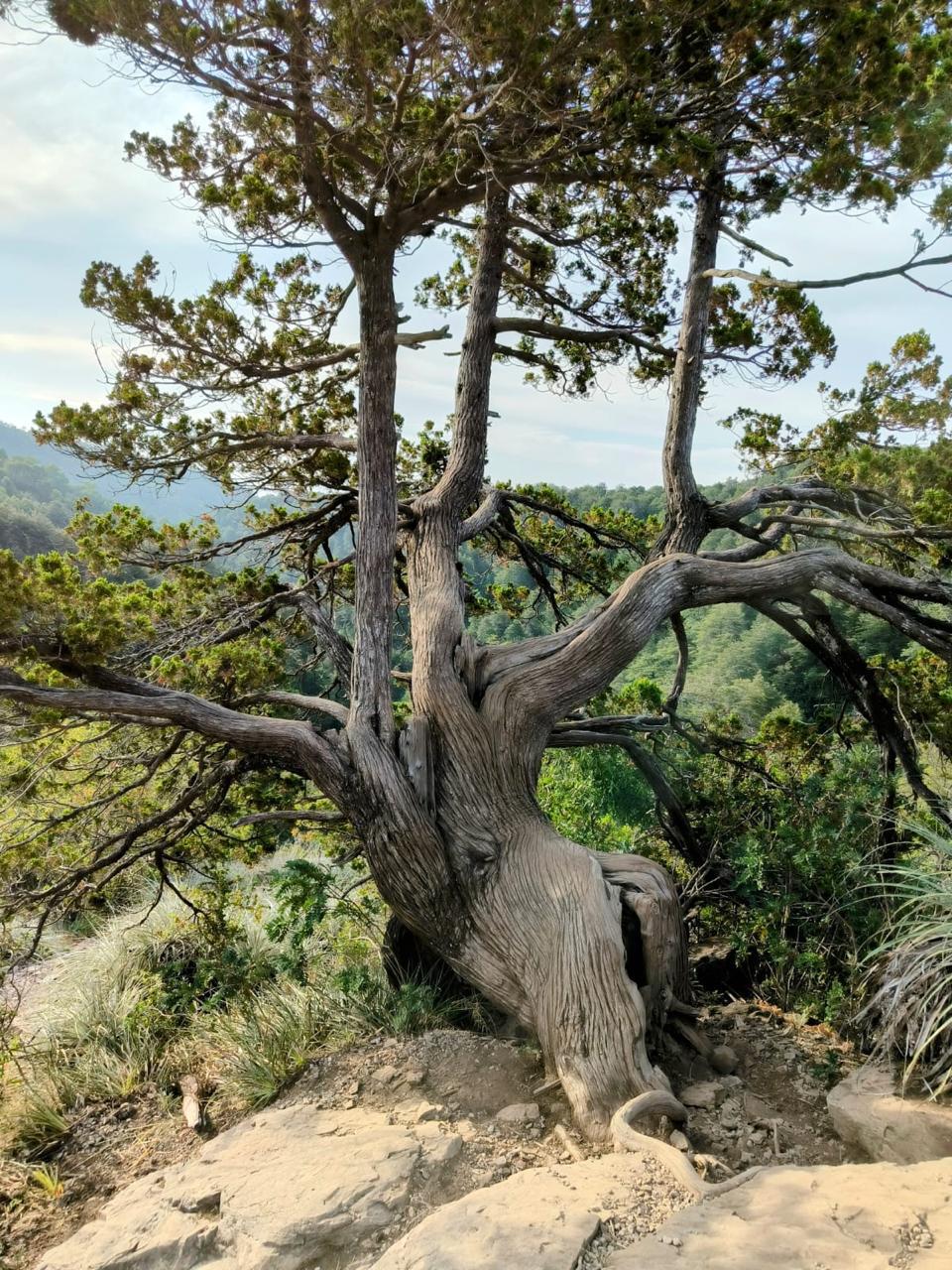
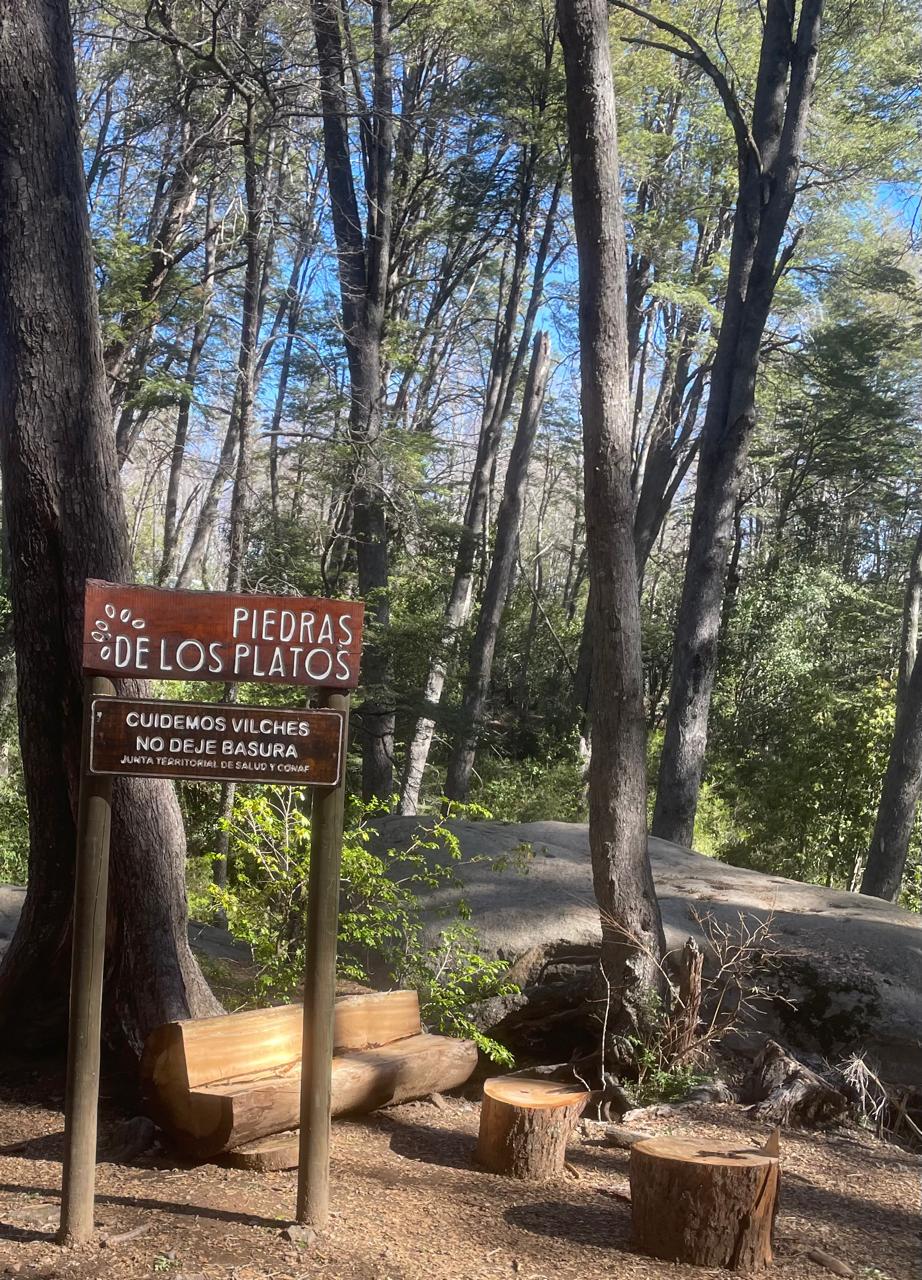
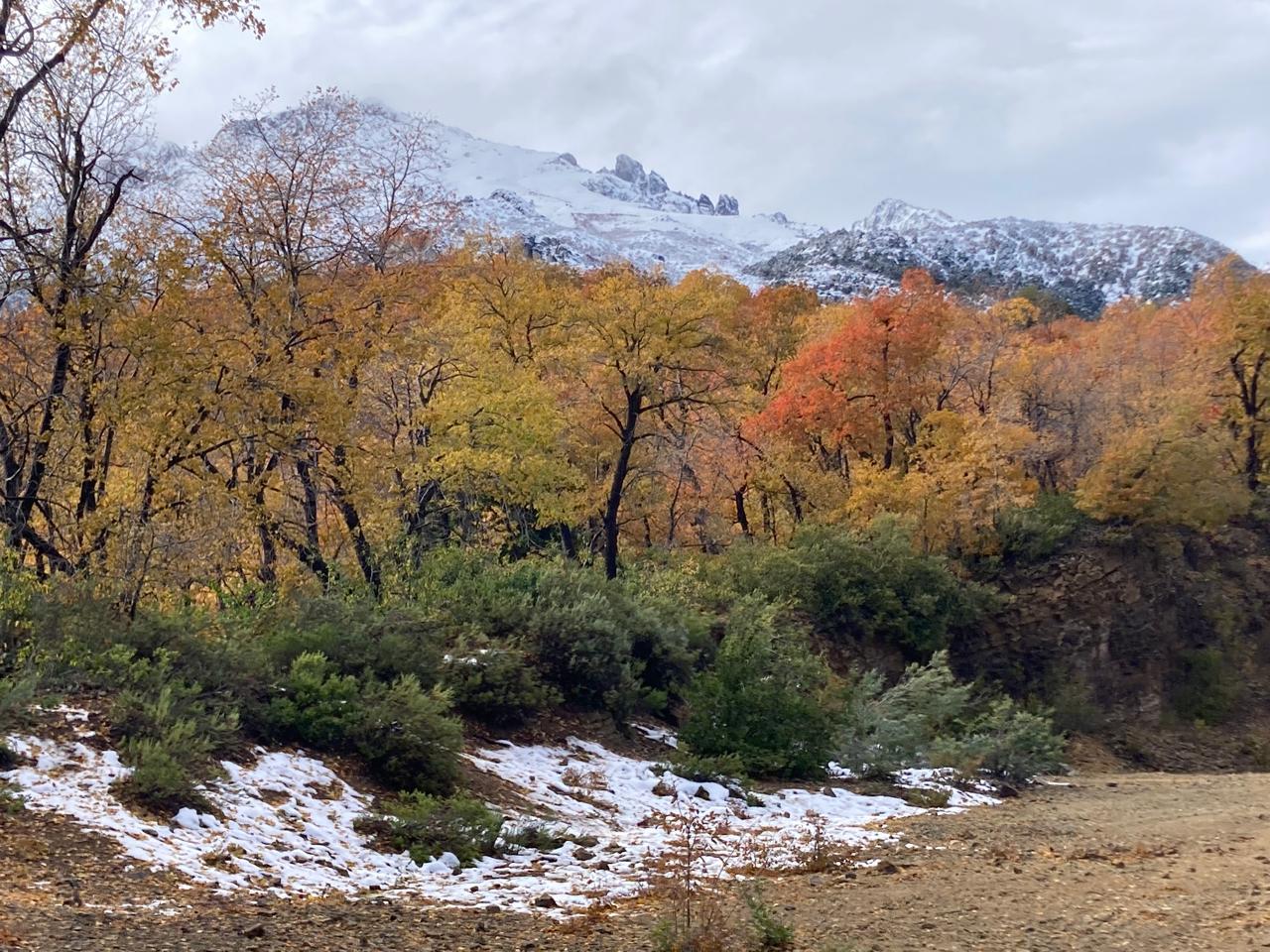
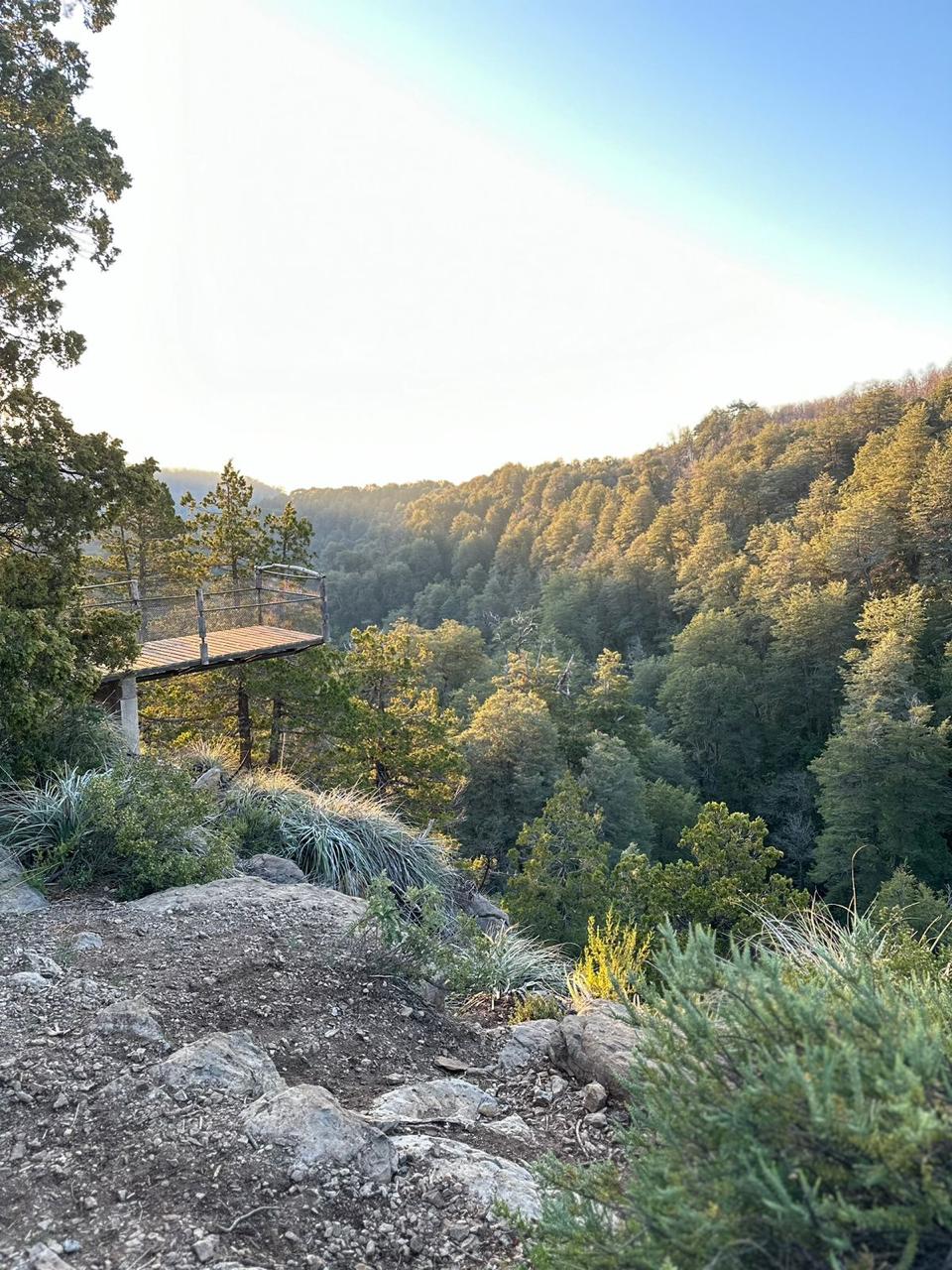
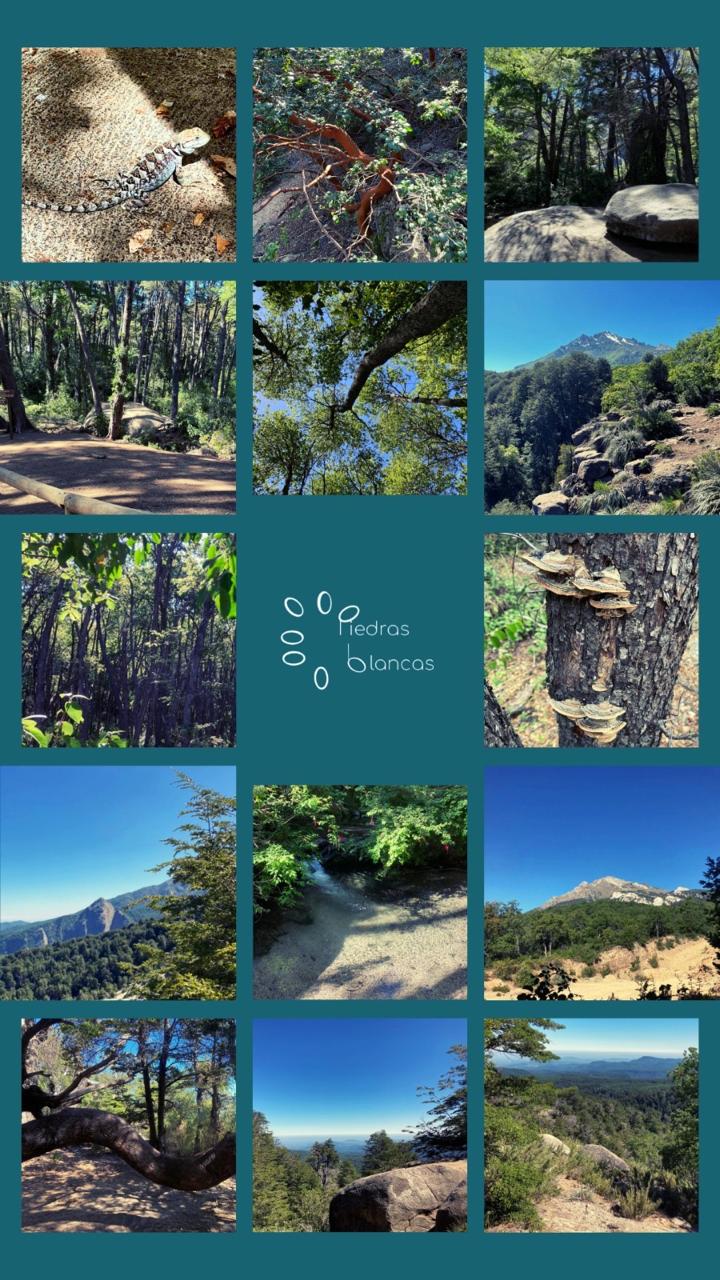
Piedras Blancas Park, located in Vilches Alto, is known for its accessible trails that wind through native forests and connect viewpoints overlooking the Andes Mountains. Its rich ecological, geological, and cultural heritage, including archaeological remains, makes it a key area within the region. The park promotes education and responsible tourism.
Tickets to Piedras Blancas Park can be purchased directly at its access booth, located in Vilches Alto.
Peumayén Tenglo
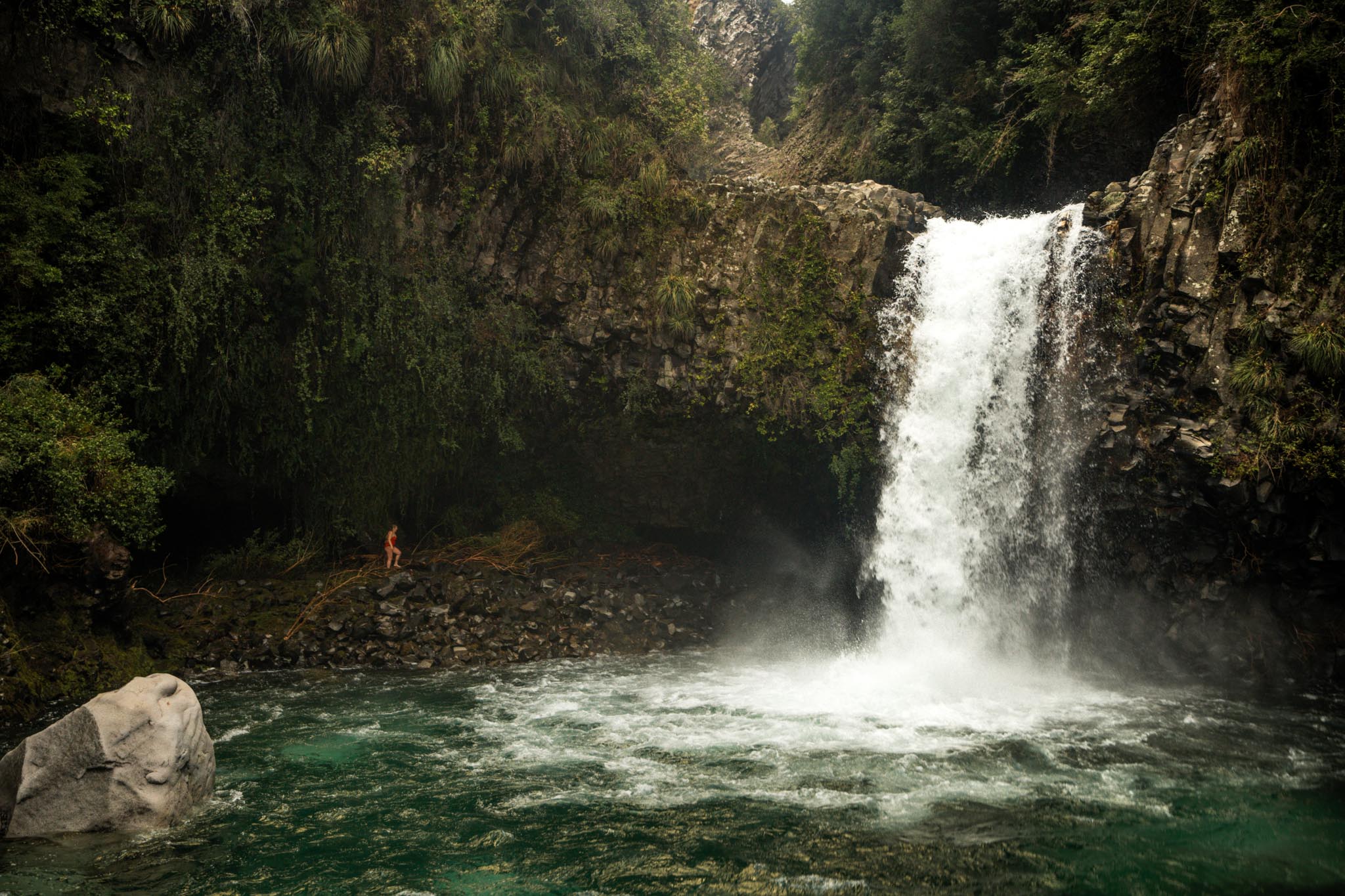
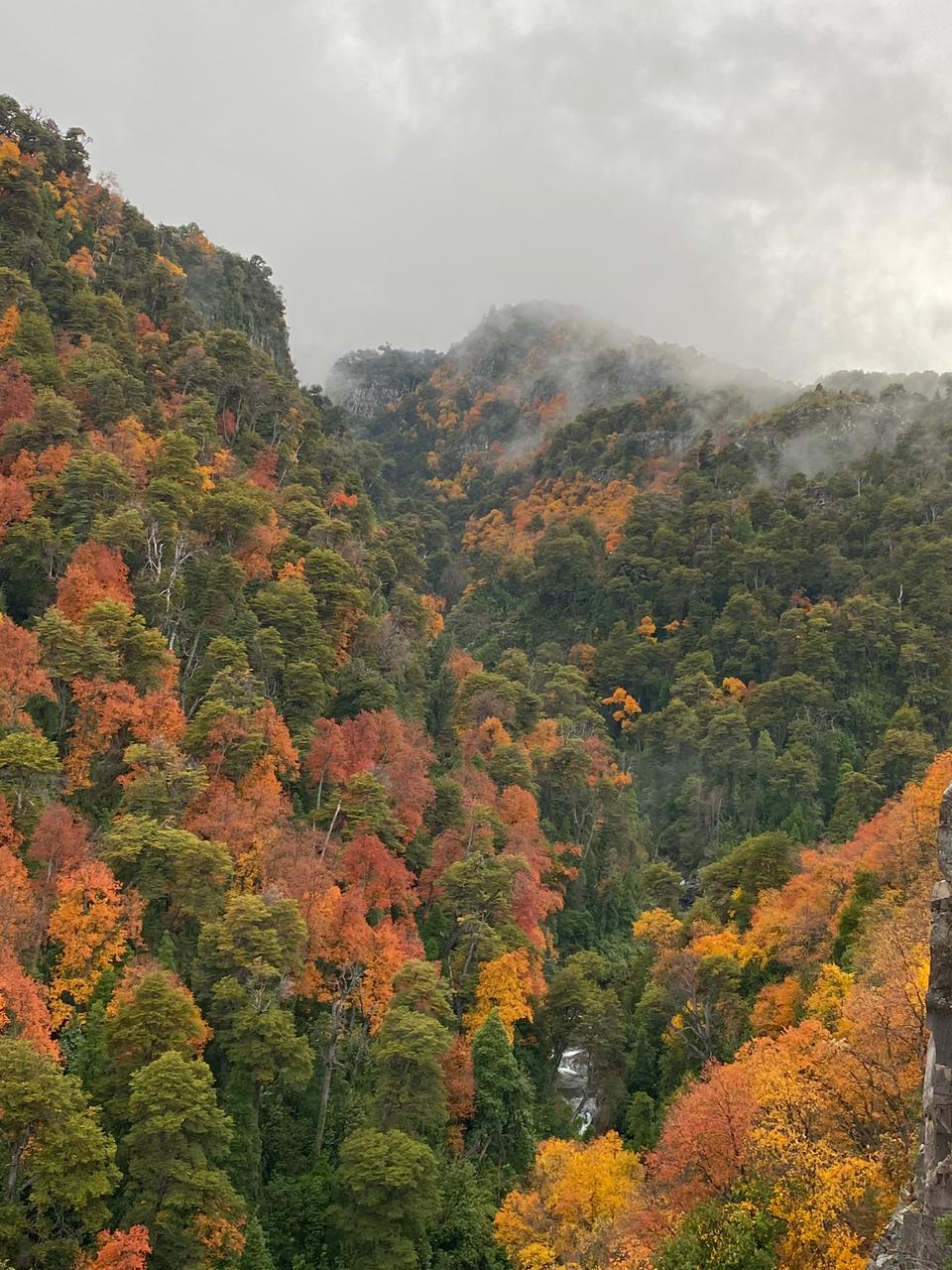
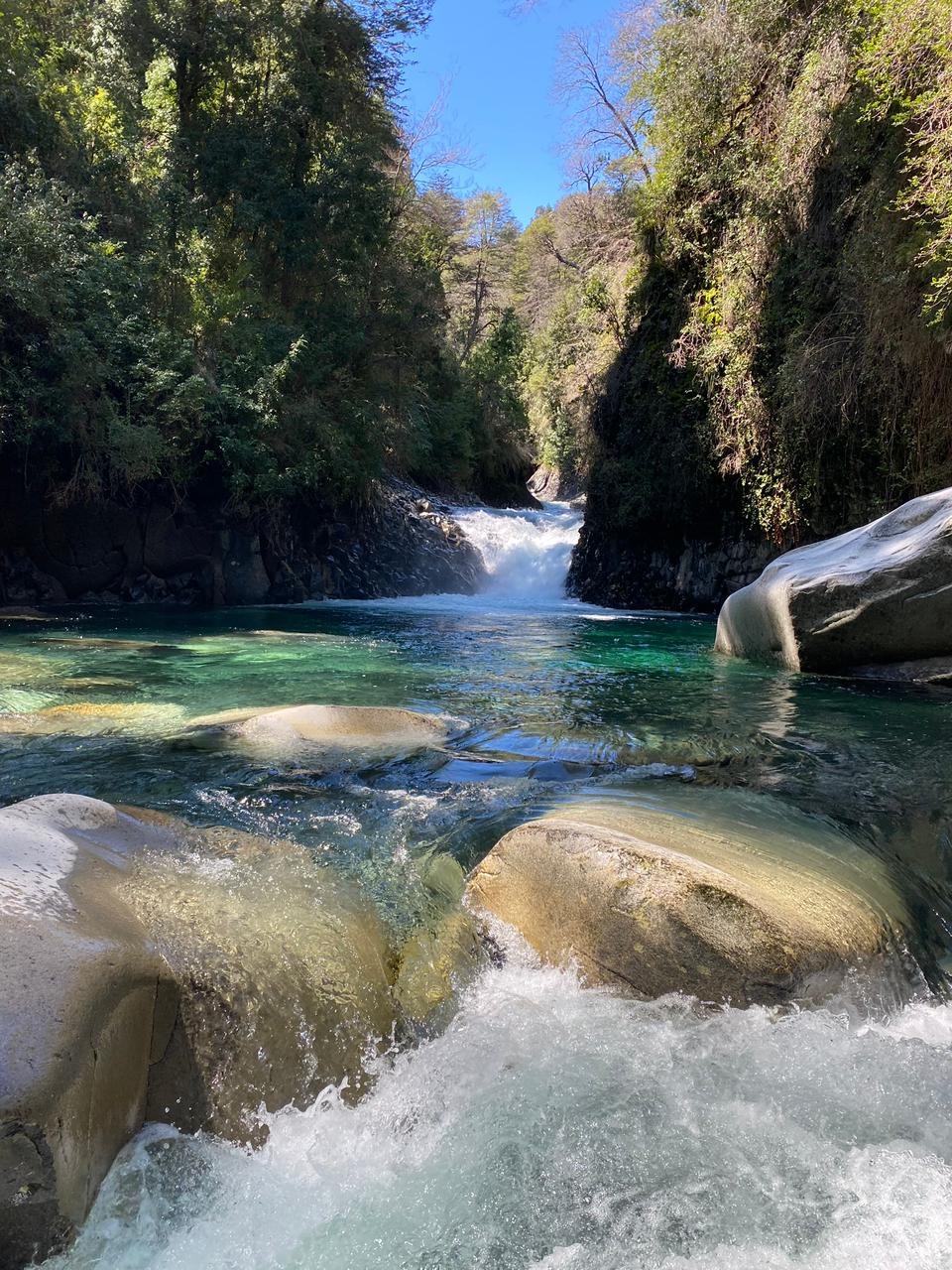
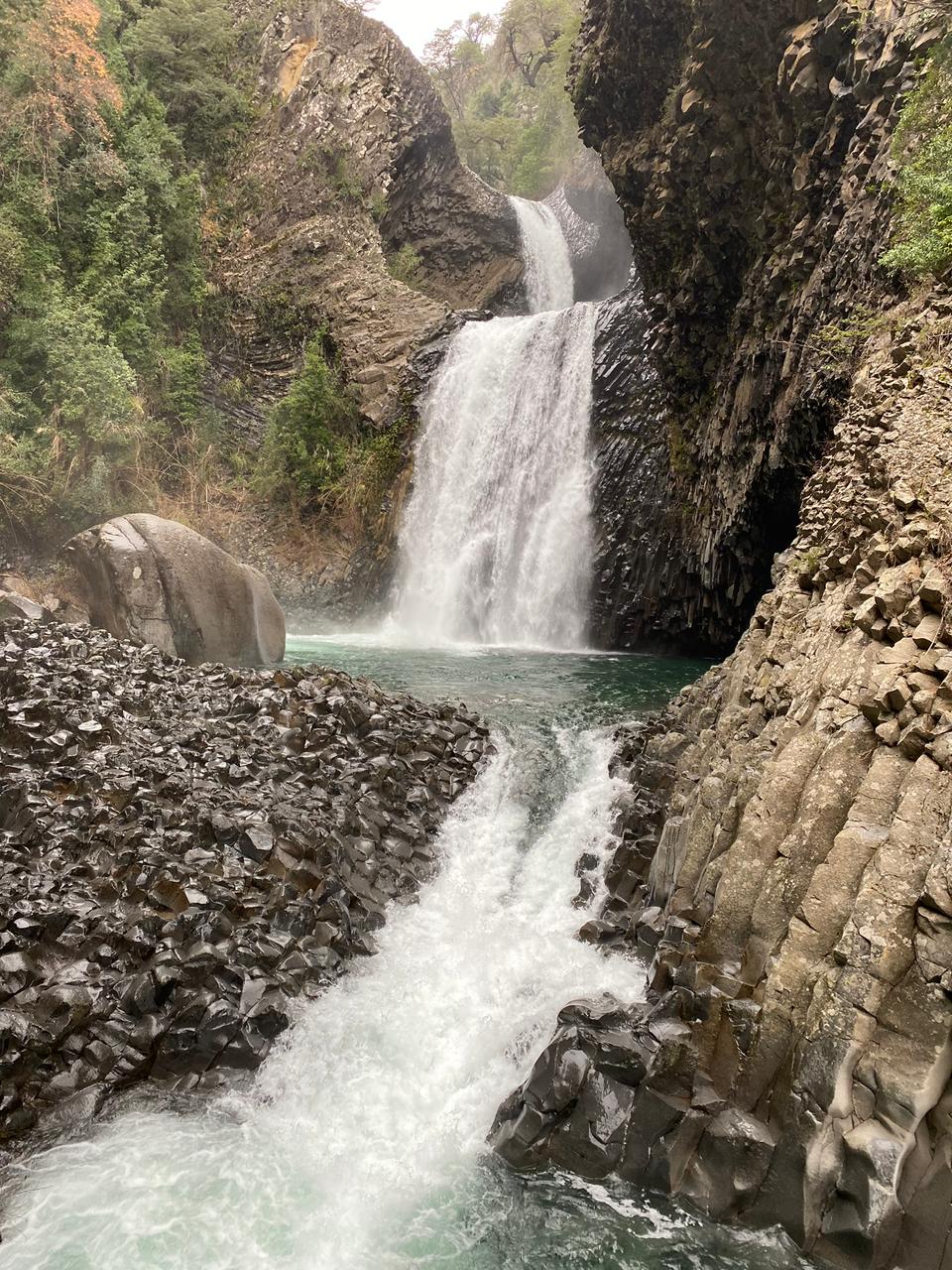
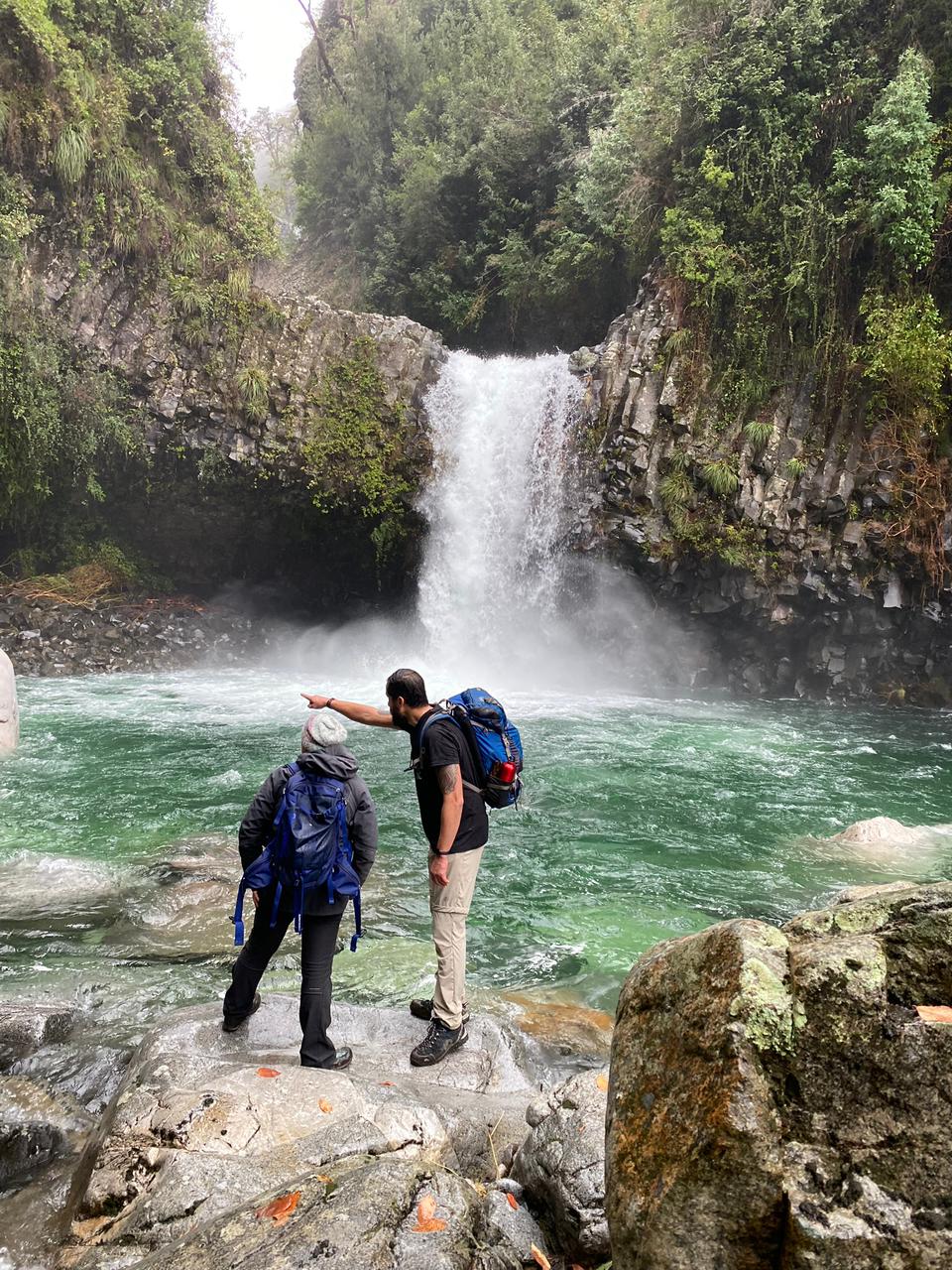
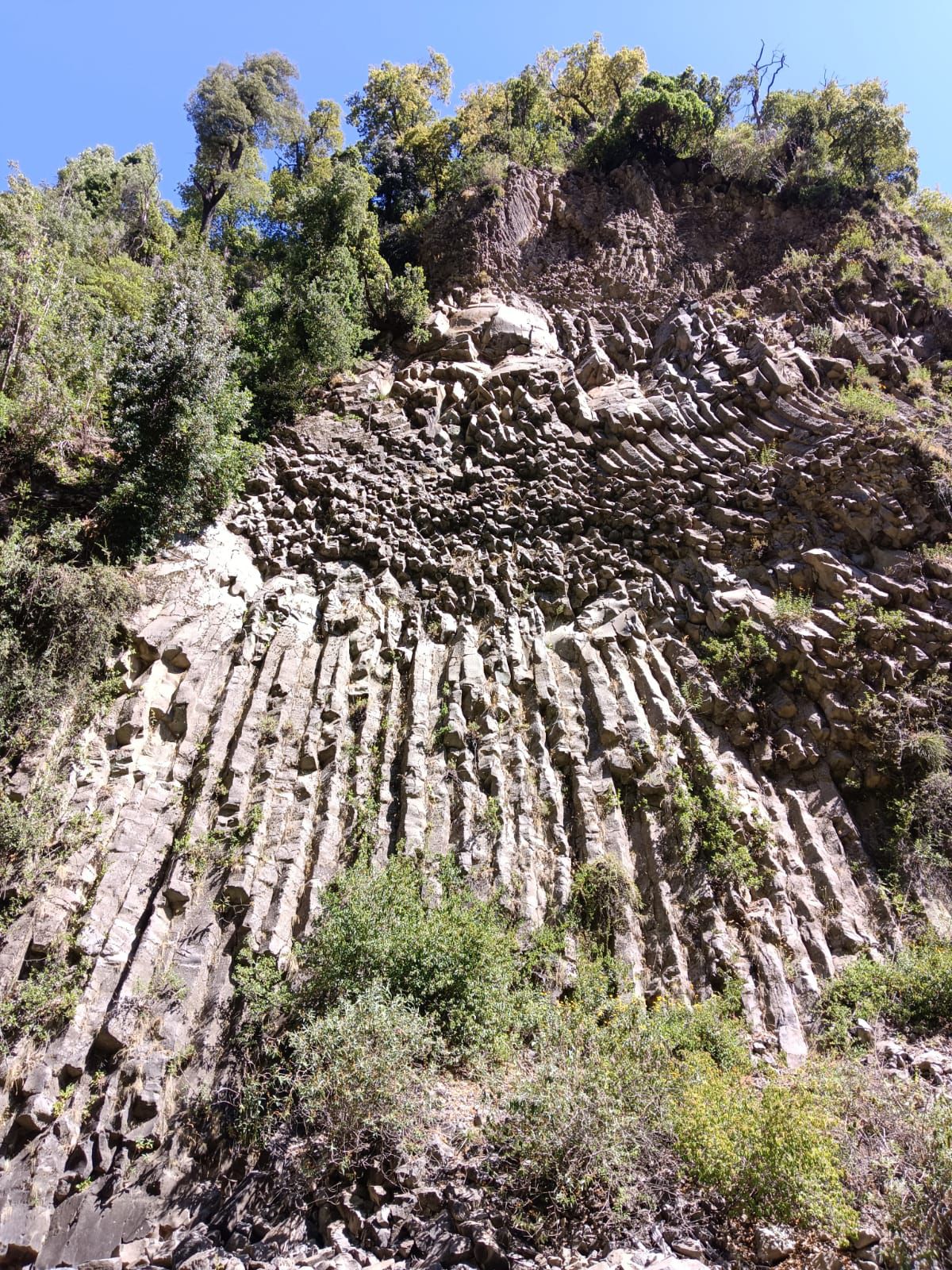
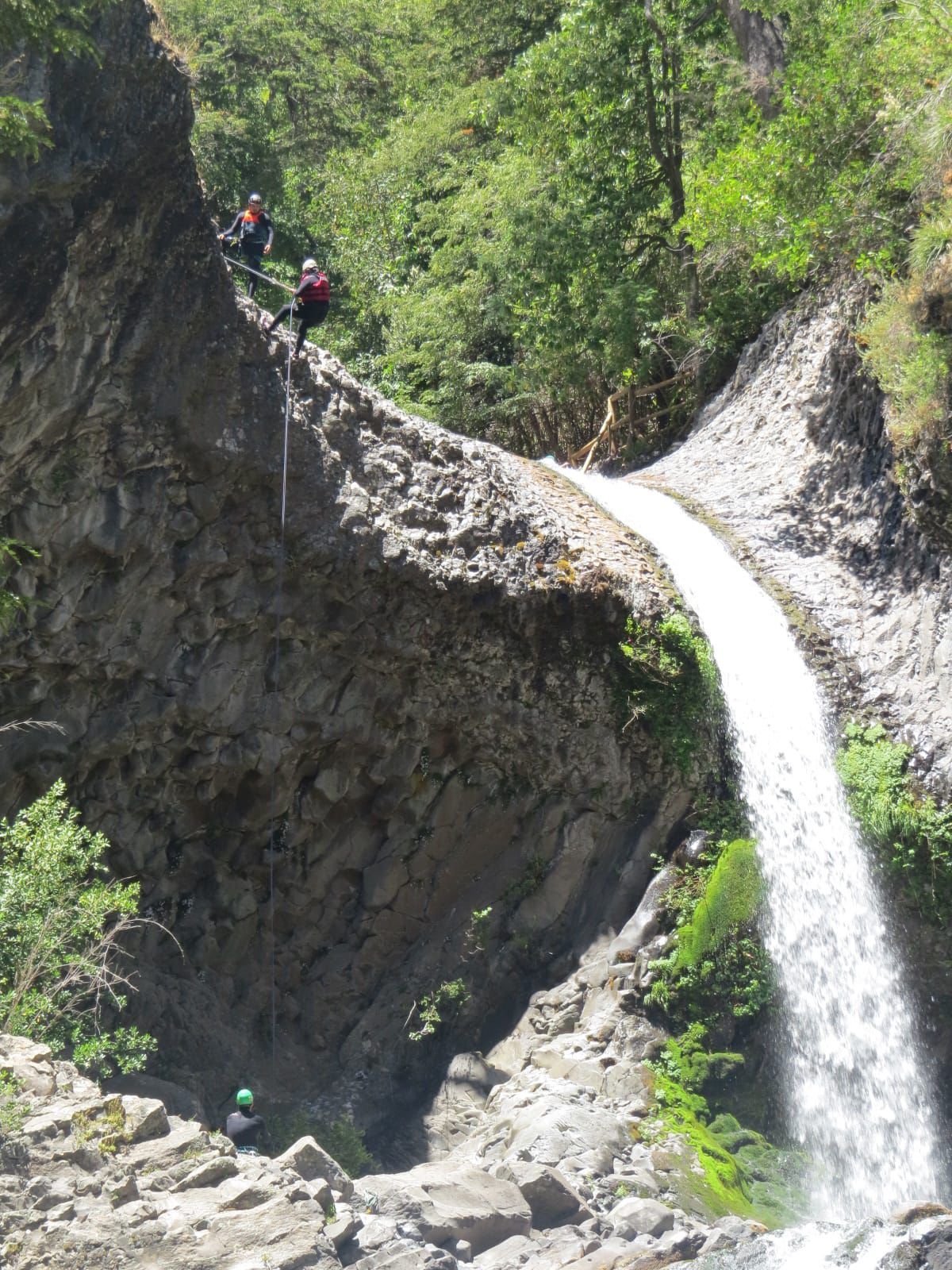
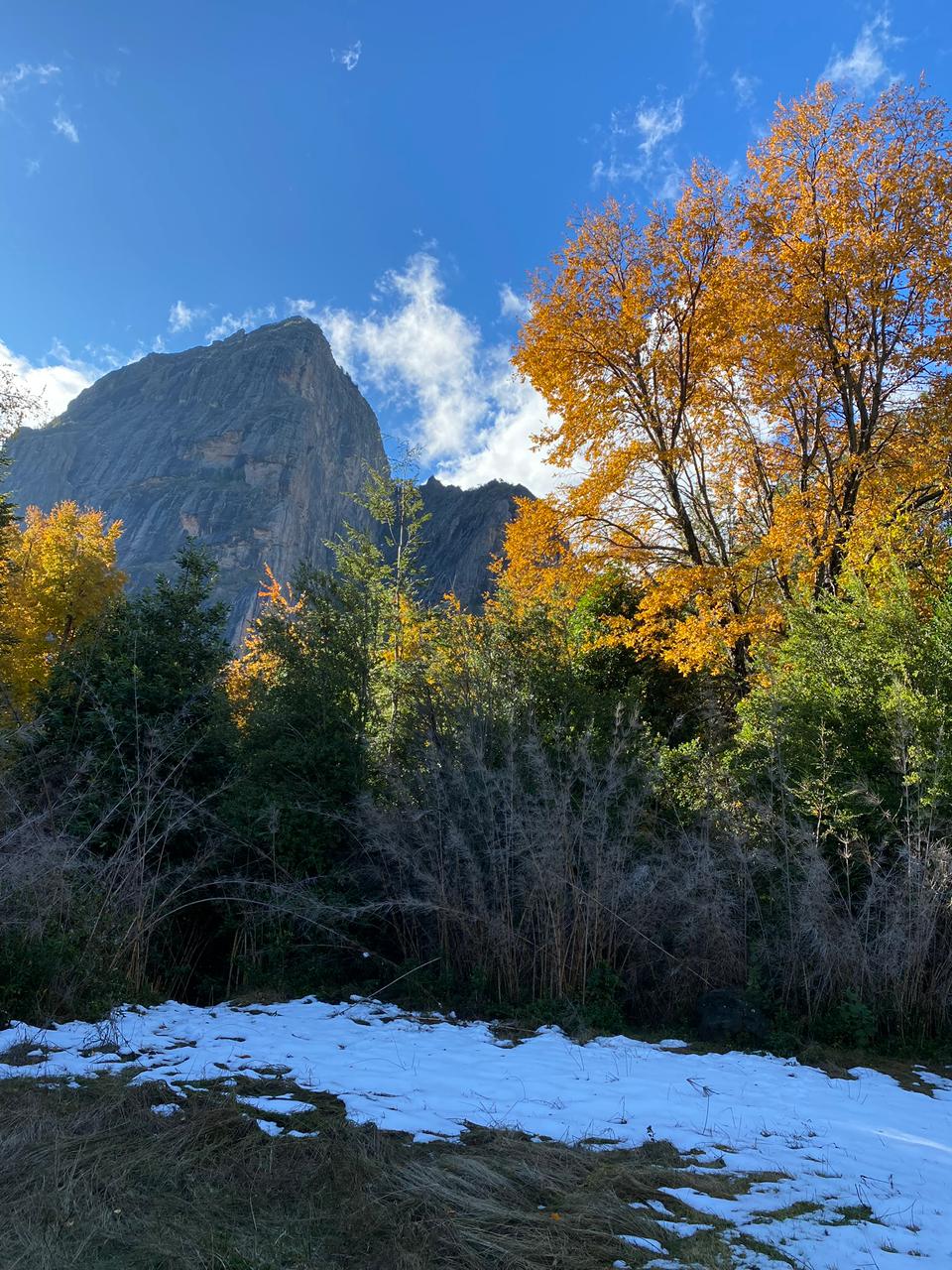
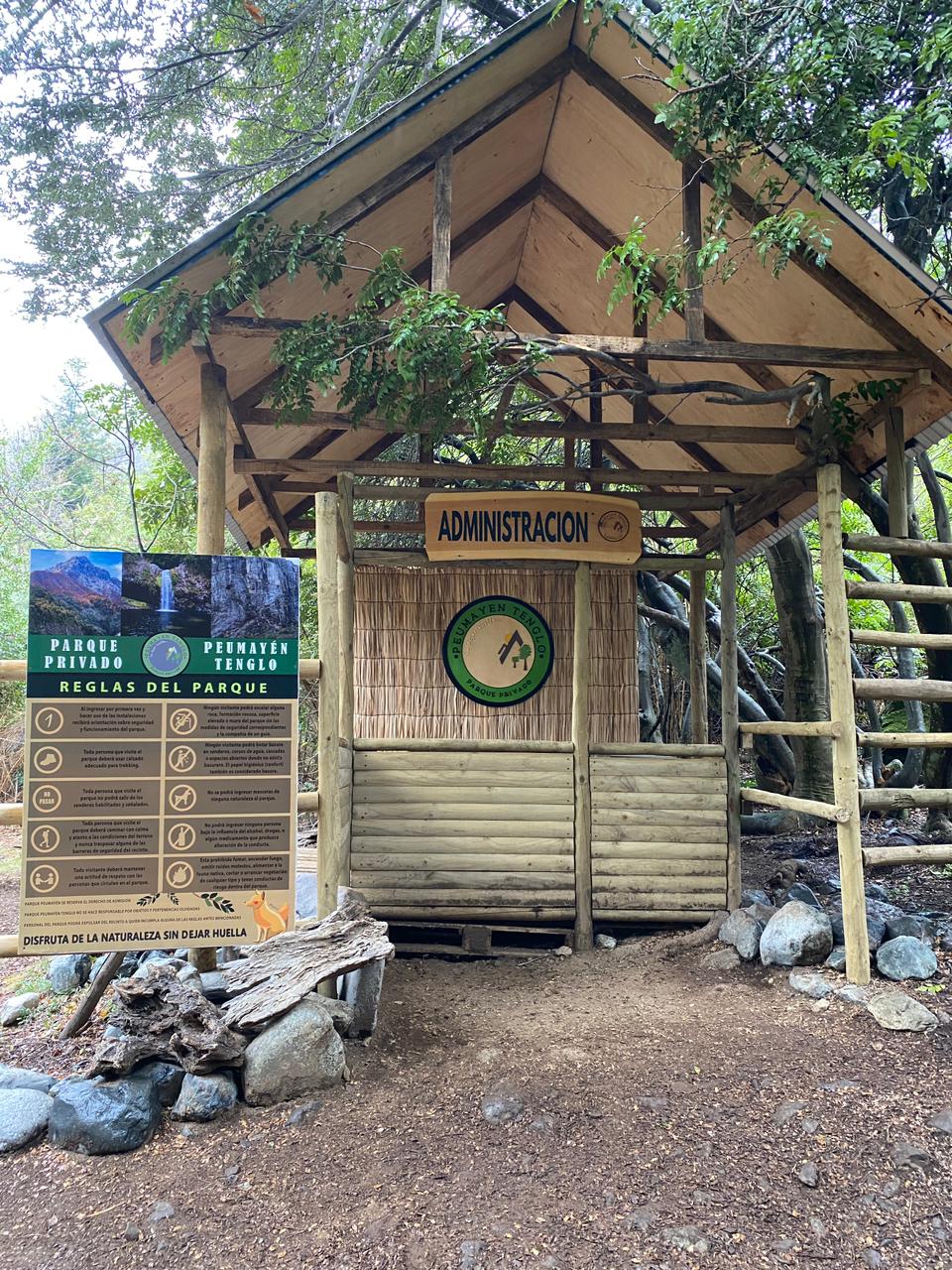
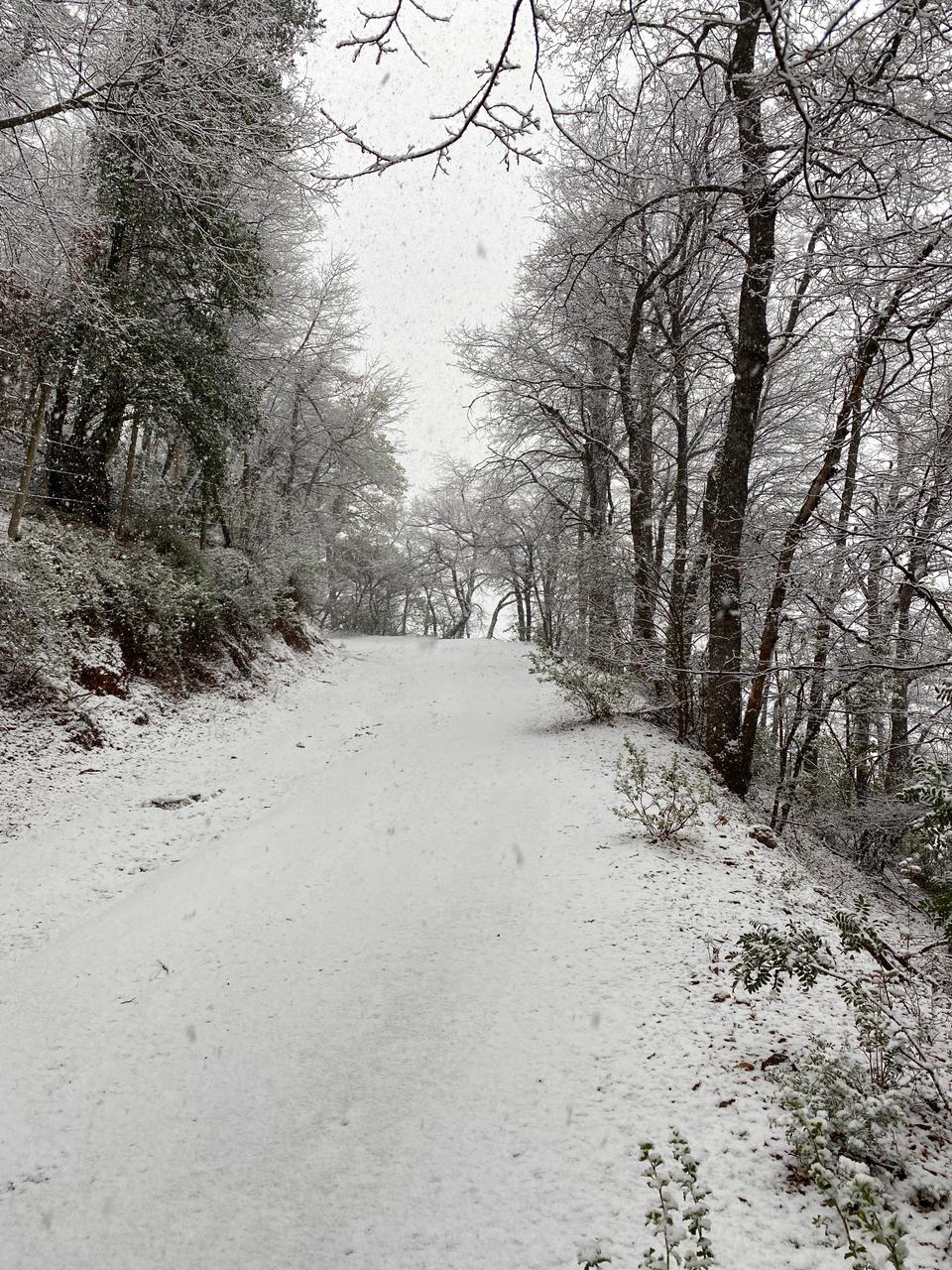
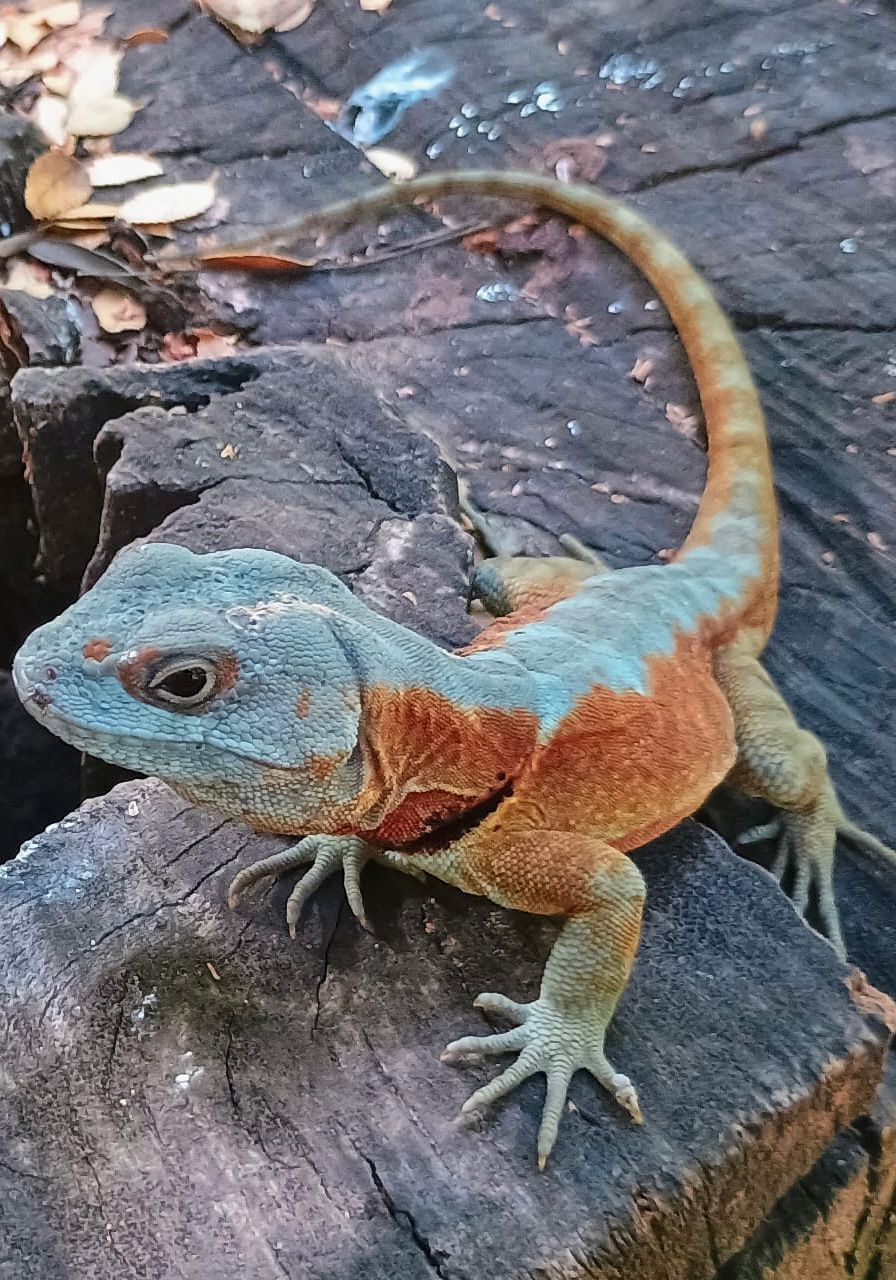

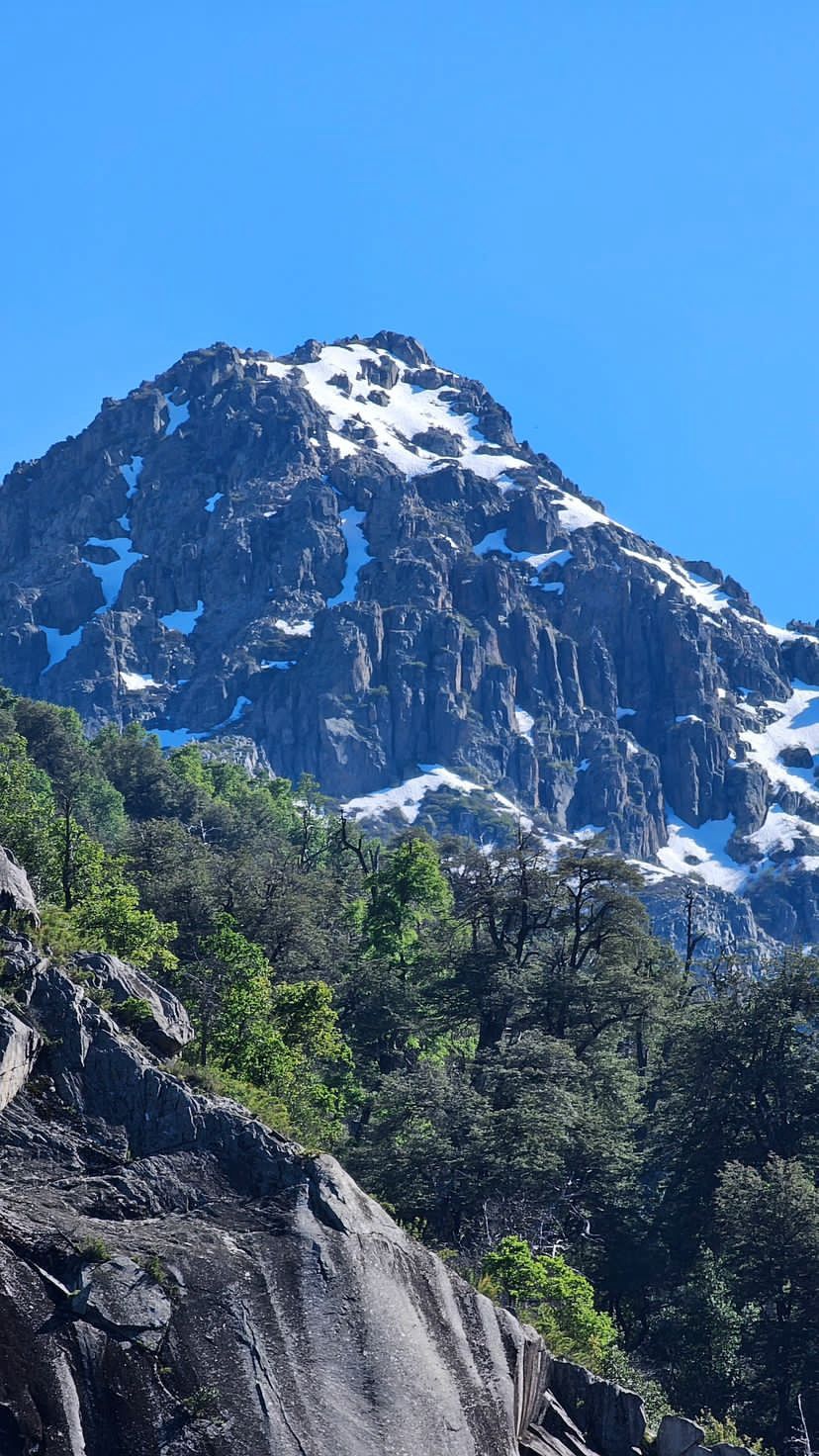

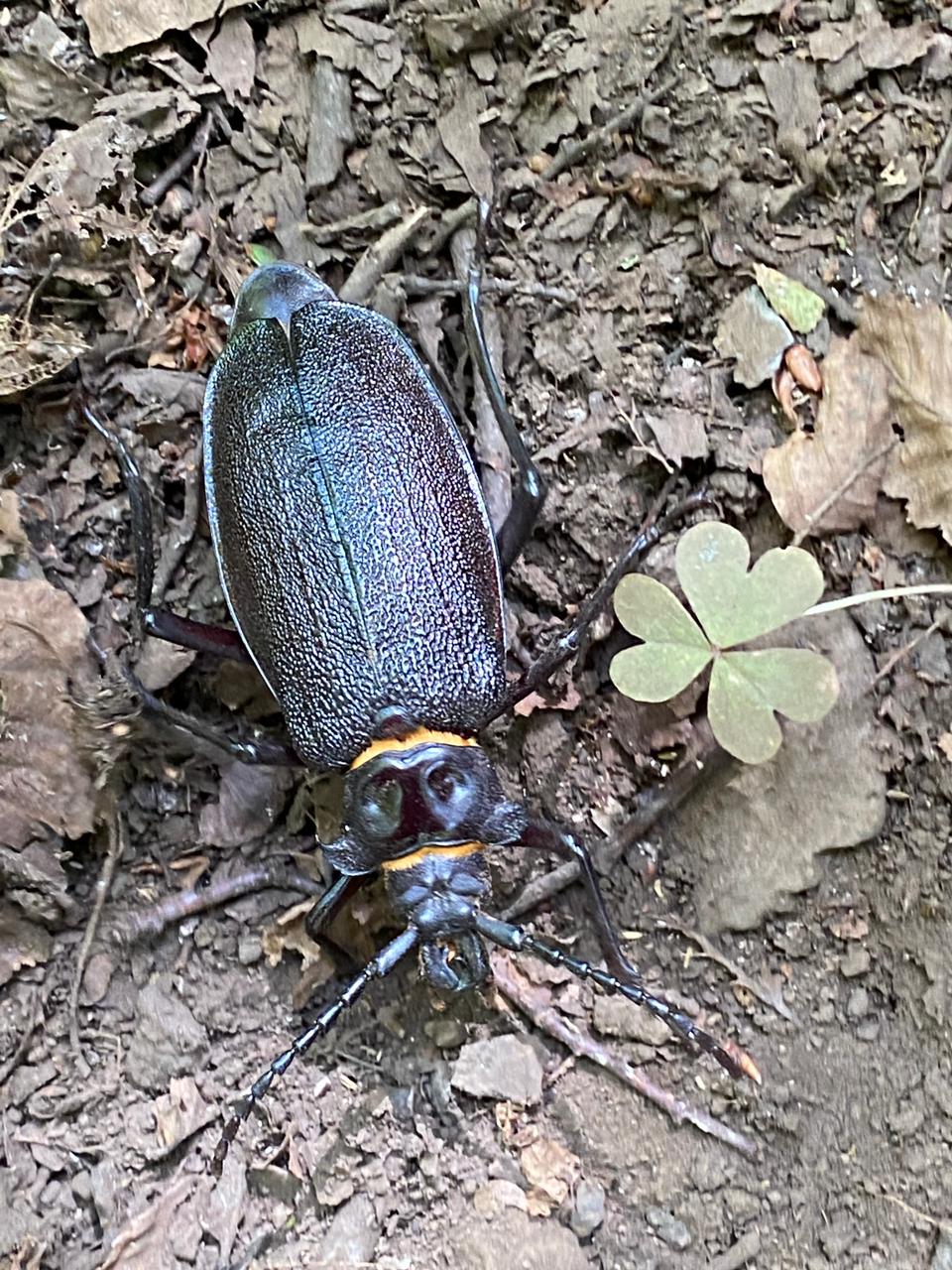
Peumayen Tenglo Park is a private conservation park nestled in the heart of the Maule mountain range, at the highest point of the biological corridor that separates Radal Siete Tazas National Park and Altos de Lircay Reserve—a haven dedicated to biodiversity and natural beauty. With its imposing cliffs rising above a crystal-clear river, it offers a breathtaking landscape that attracts nature lovers and adventurers. Its well-marked trails allow visitors to explore diverse ecosystems, from dense forests to rockier areas where native wildlife is commonly spotted.
This space is not only dedicated to conservation, but also promotes environmental education and ecotourism, ensuring that future generations can enjoy its splendor. Since its opening in 2023, it has become an essential destination for those seeking to connect with nature in a breathtaking setting.