Andean Endemism of the Maule
and Photography as an Act of Conservation

Fauna

Conservation

Biodiversity

by Felipe Ponce

Felipe, originally from the town of Molina, is an agronomist and winemaker. For over 10 years, he has dedicated himself to documenting the flora, fauna, and fungi of the Maule region. Throughout this time, he has combined scientific knowledge, aesthetic sensibility, and a commitment to conservation, showcasing the area's natural richness through his records.

February 10, 2026

The Maule Region is one of Chile's most important territories in terms of biodiversity, standing out for its concentration of the country's greatest Andean endemism. Through conservation photography, I have been able to confirm that its mountain range is home to numerous species of flora, fauna, and fungi that exist nowhere else on the planet, positioning Maule as an area of high biological and evolutionary value. This natural wealth, combined with exceptional geodiversity marked by volcanoes, valleys, and glacially sculpted landscapes, has led to the region's recognition as part of the biodiversity hotspot of central Chile. In this context, the Pillanmapu Geopark acquires strategic importance for Maule, integrating biodiversity conservation with the territory's geological, cultural, and educational heritage, becoming a key tool for the protection of unique ecosystems, scientific dissemination, and sustainable development in the face of increasing human pressure (Arroyo et al., 2006; Ministry of the Environment, 2021).

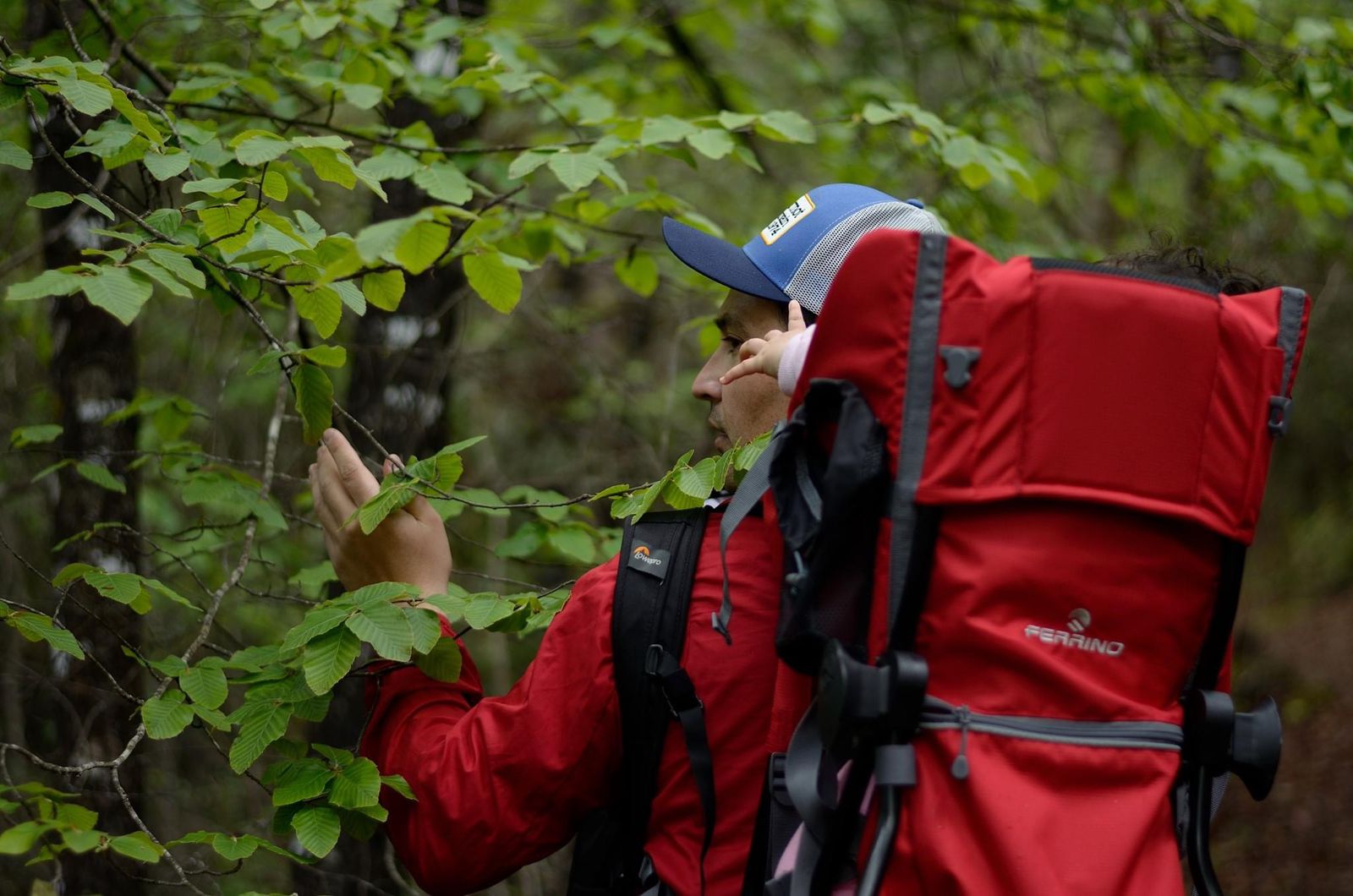
Felipe Ponce exploring the Maule forest with his daughter.

The Perfect Conditions for Maulino Endemism

The high Andean endemism of the Maule region is explained by its location in a transition zone between the dry Andes of central Chile and the temperate, humid Andes of the south, along with a complex mountain geography characterized by deep valleys, isolated watersheds, glacial rivers, and volcanic massifs. These conditions have favored population isolation and the independent evolution of numerous species, especially those with low dispersal capacity. Furthermore, during glacial periods, some areas of the Maule mountain range served as climatic refugia, allowing the survival and subsequent genetic differentiation of populations that gave rise to endemic lineages closely associated with specific Andean environments (Villagrán & Hinojosa, 1997; Arroyo et al., 2006; Formas & Cuevas, 2013).

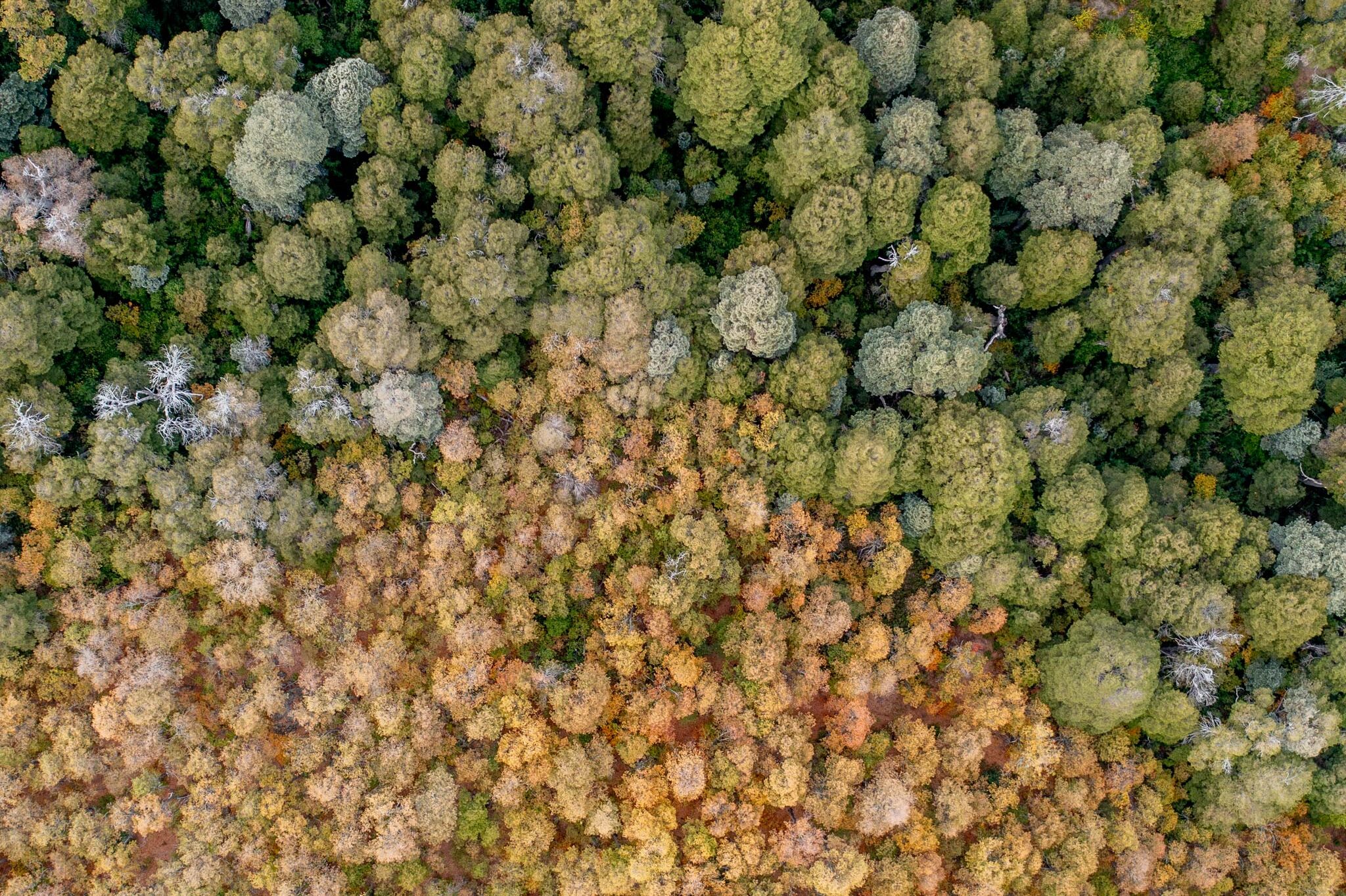
The Andean and Maule forests are the core of Andean endemism in the Maule region. Dominated by species of the genus Nothofagus These ecosystems regulate the microclimate, humidity, and water availability, creating stable environmental conditions that allow for the development of highly specialized biological communities. Thanks to this ecological balance, the Maule region harbors a unique biodiversity that depends directly on the conservation of the native forest.

Forest of Nothofagus Seen from the air. Unlike the evergreen forests of central Chile, the Maule region features the deciduous forests typical of the south of the country, which take on yellow and reddish hues during autumn. Felipe Ponce.

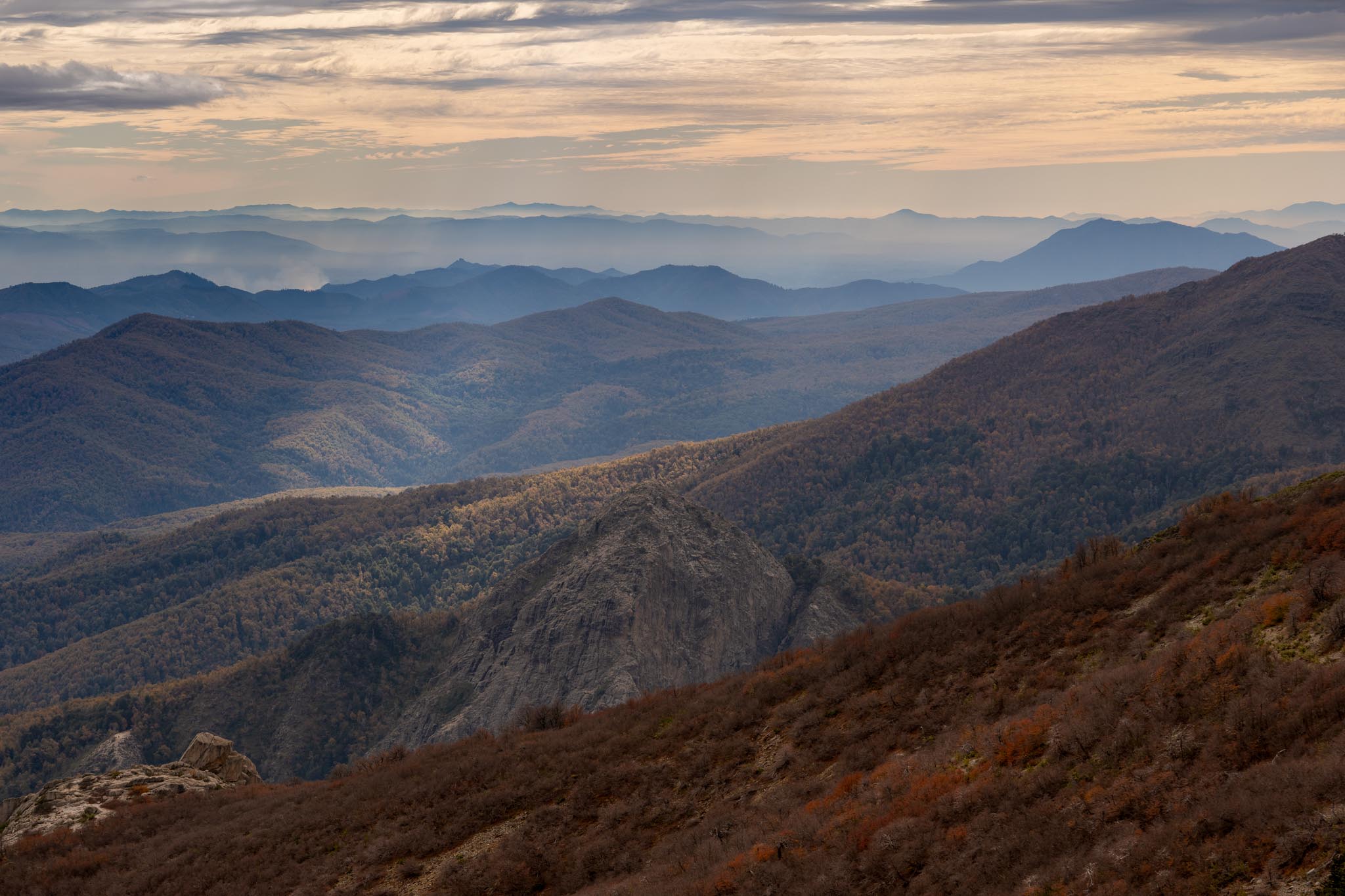
Maule foothills covered by forests of Nothofagus. Photo taken from Cerro Peine. Felipe Ponce.

Endemic Species of the Maule

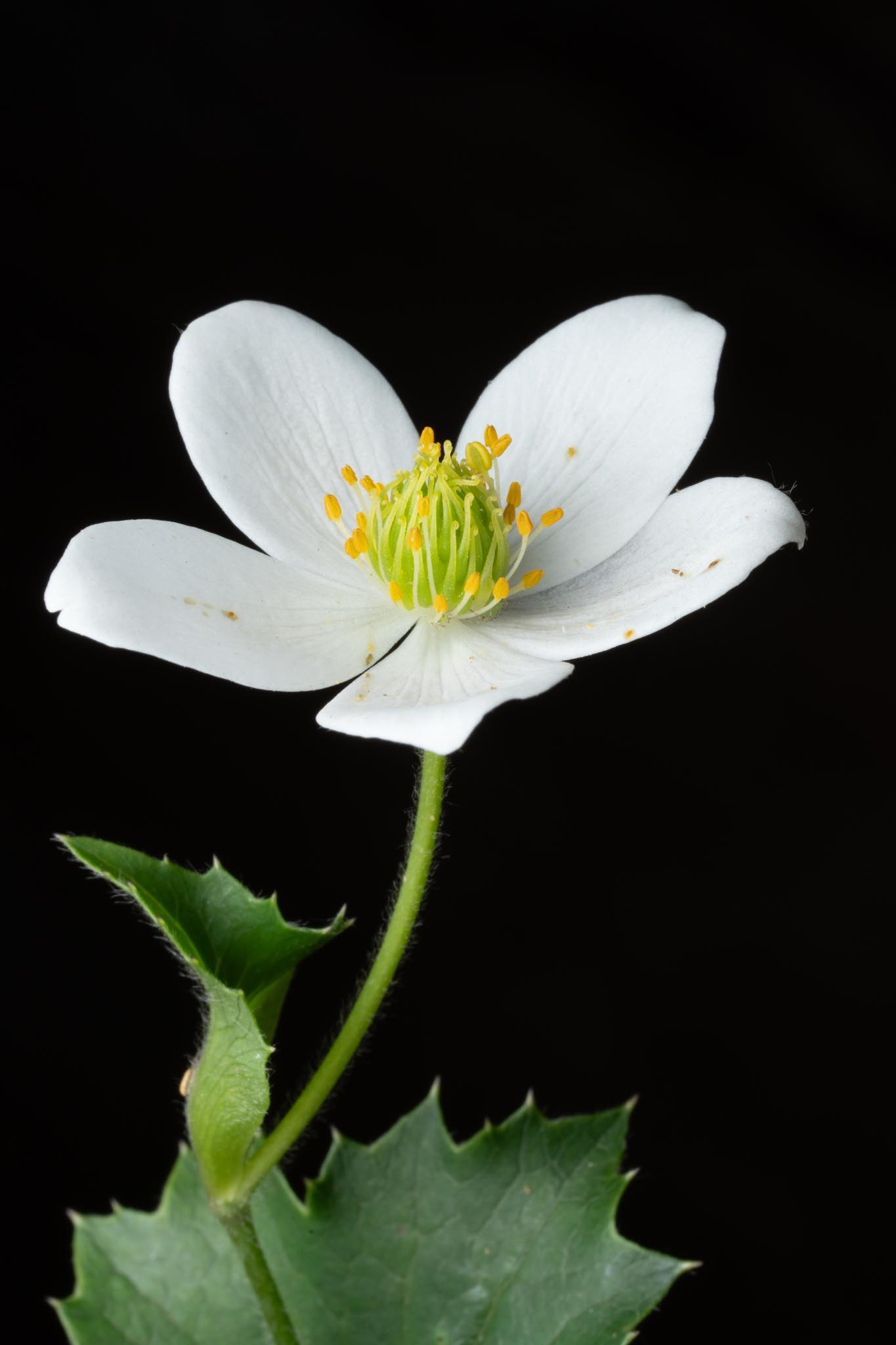
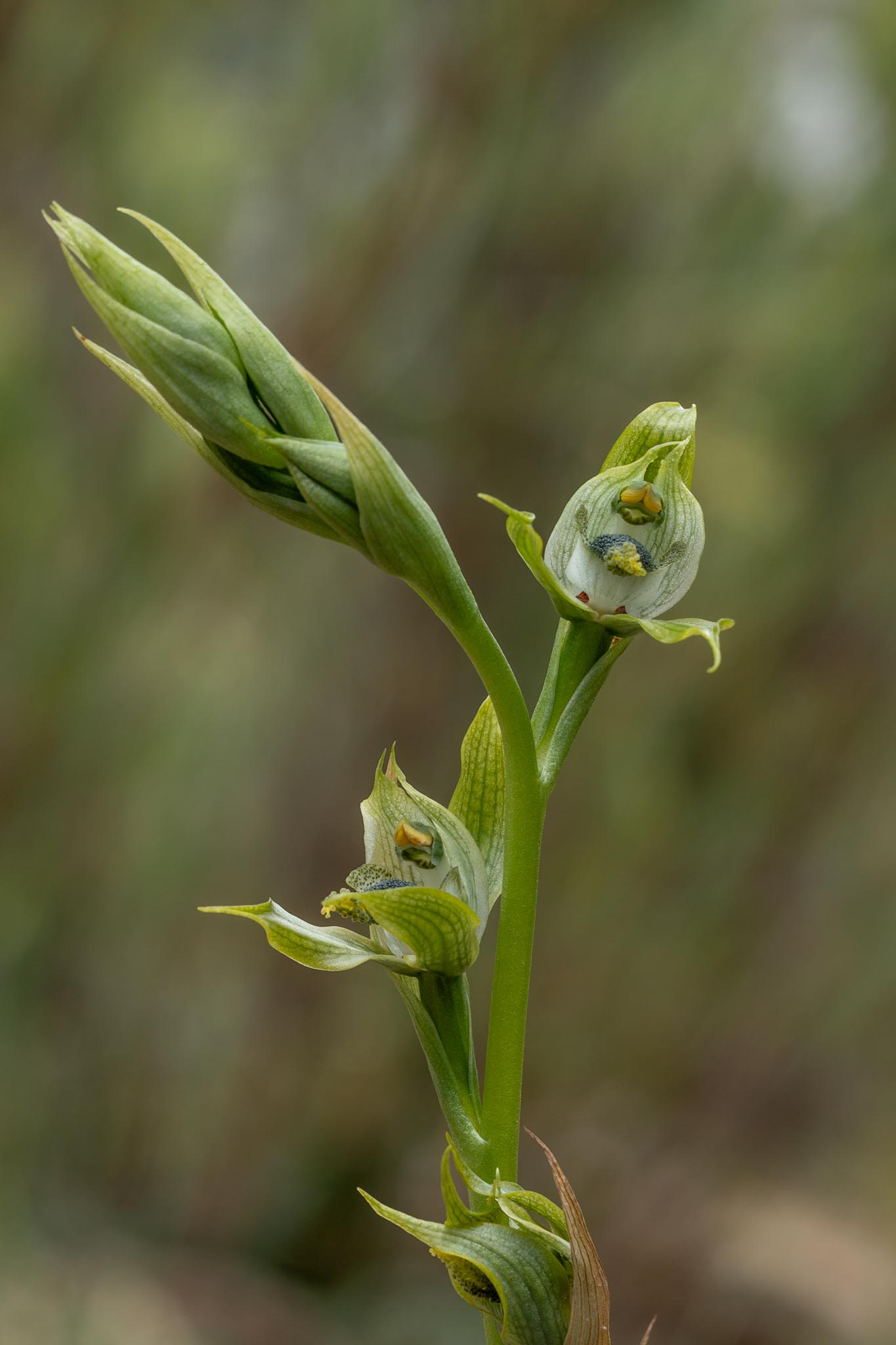
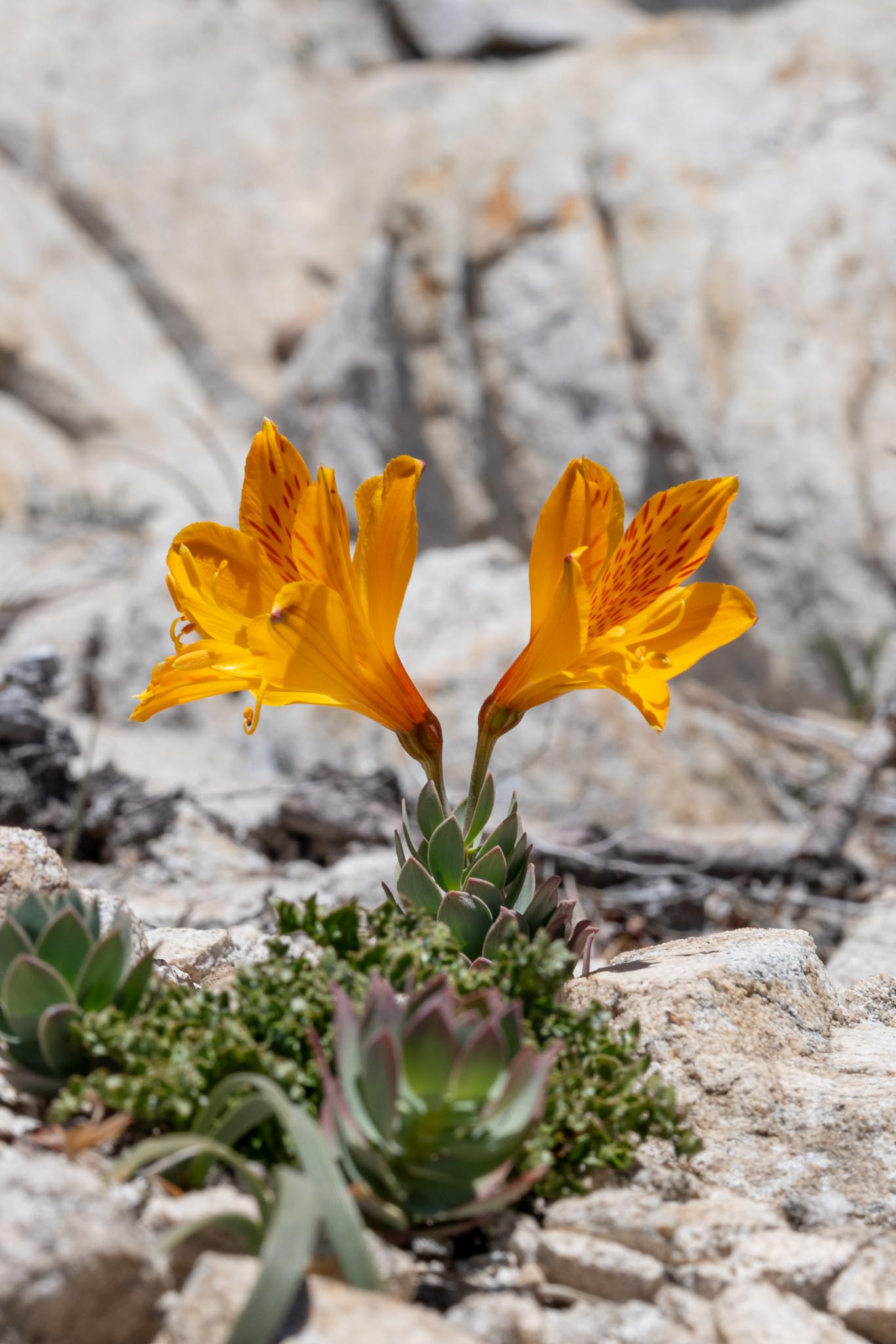
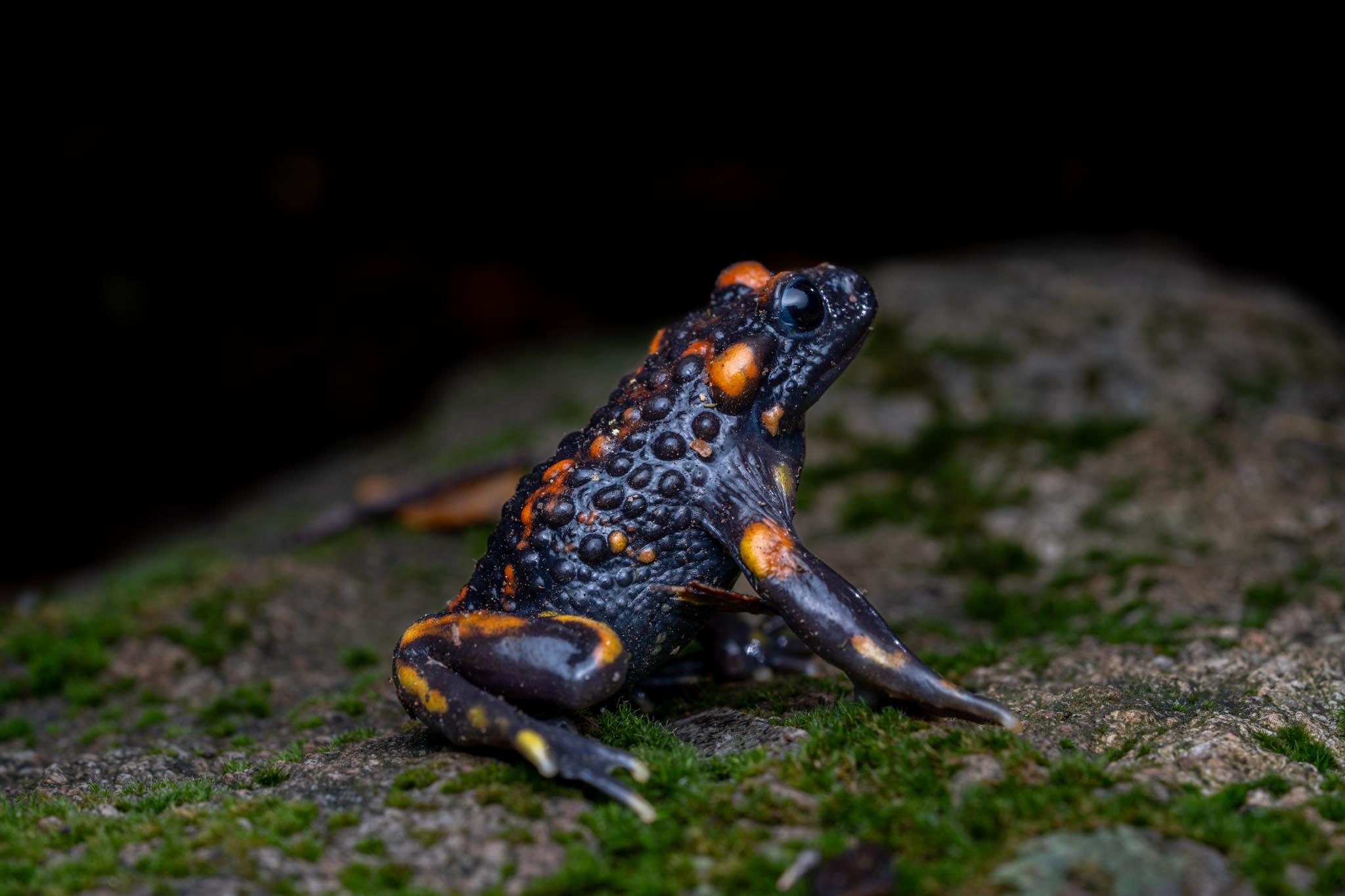
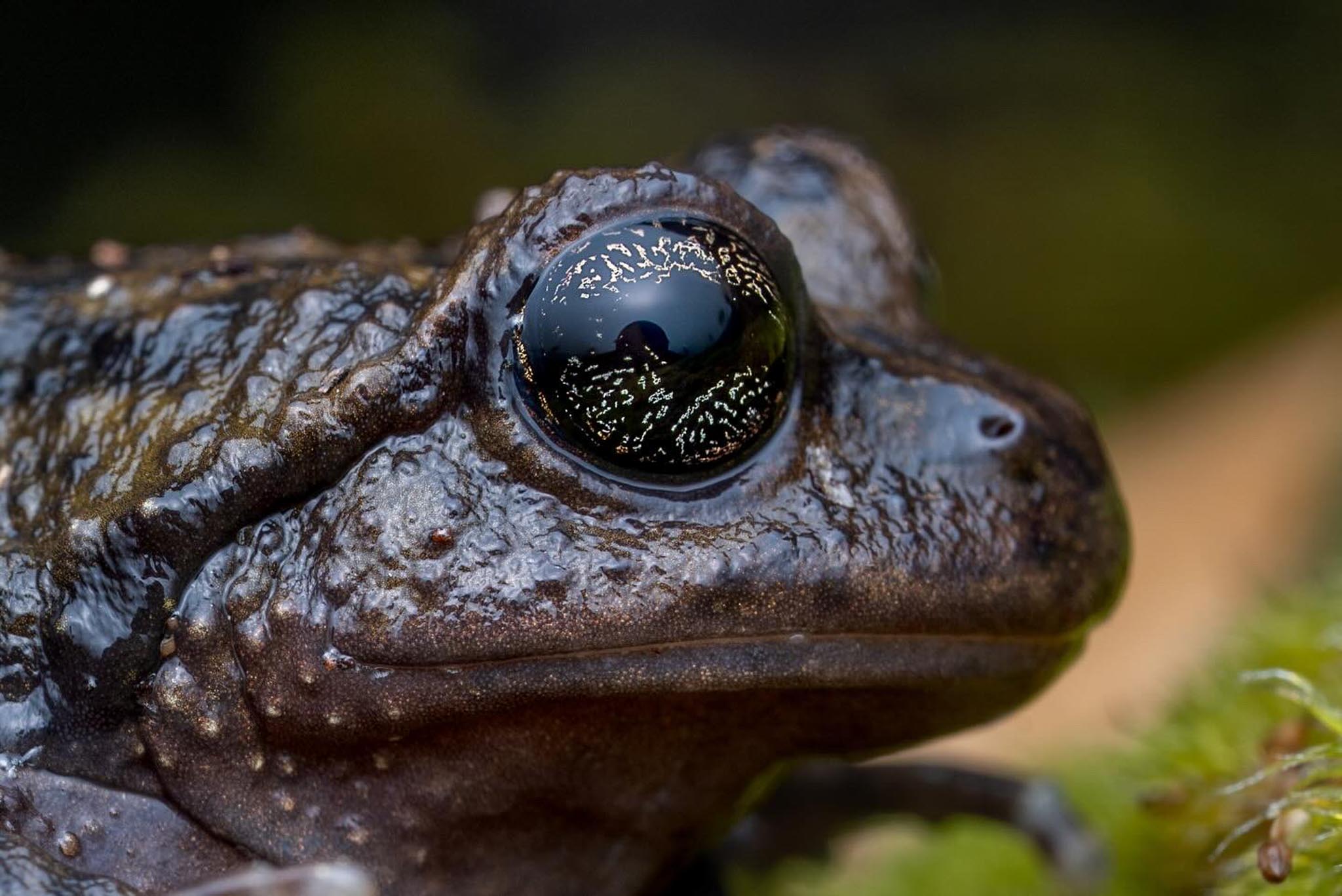
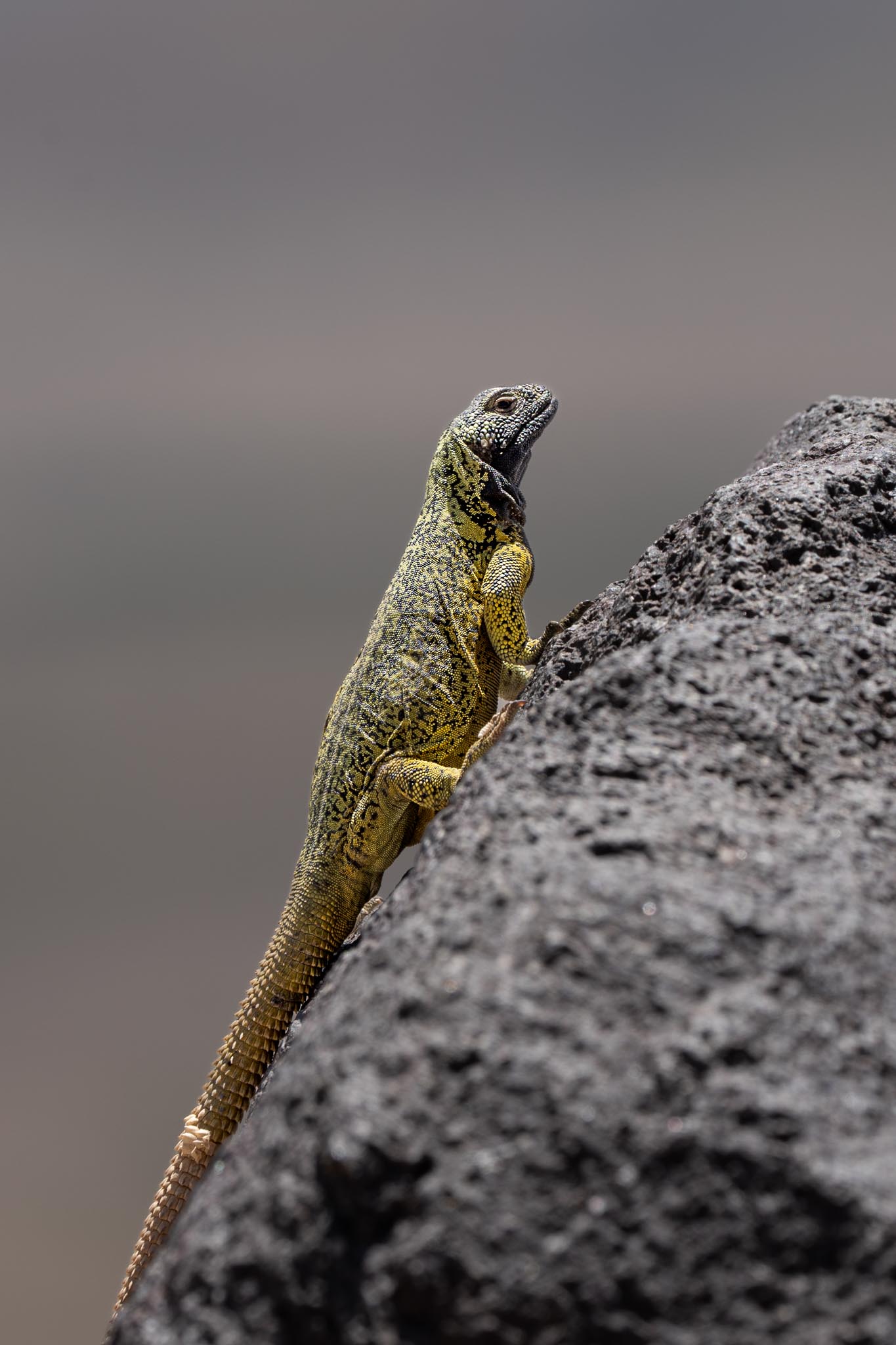
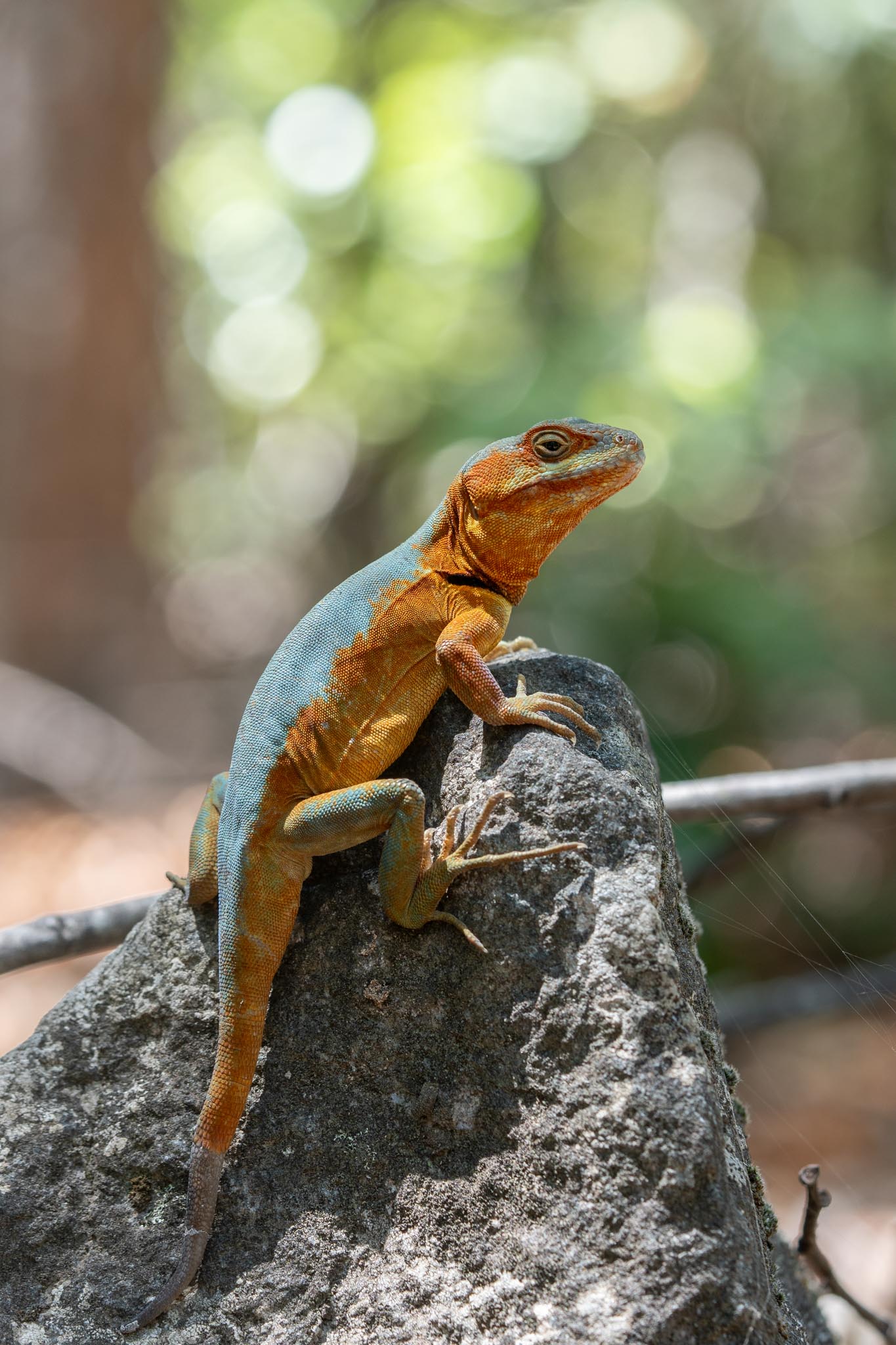
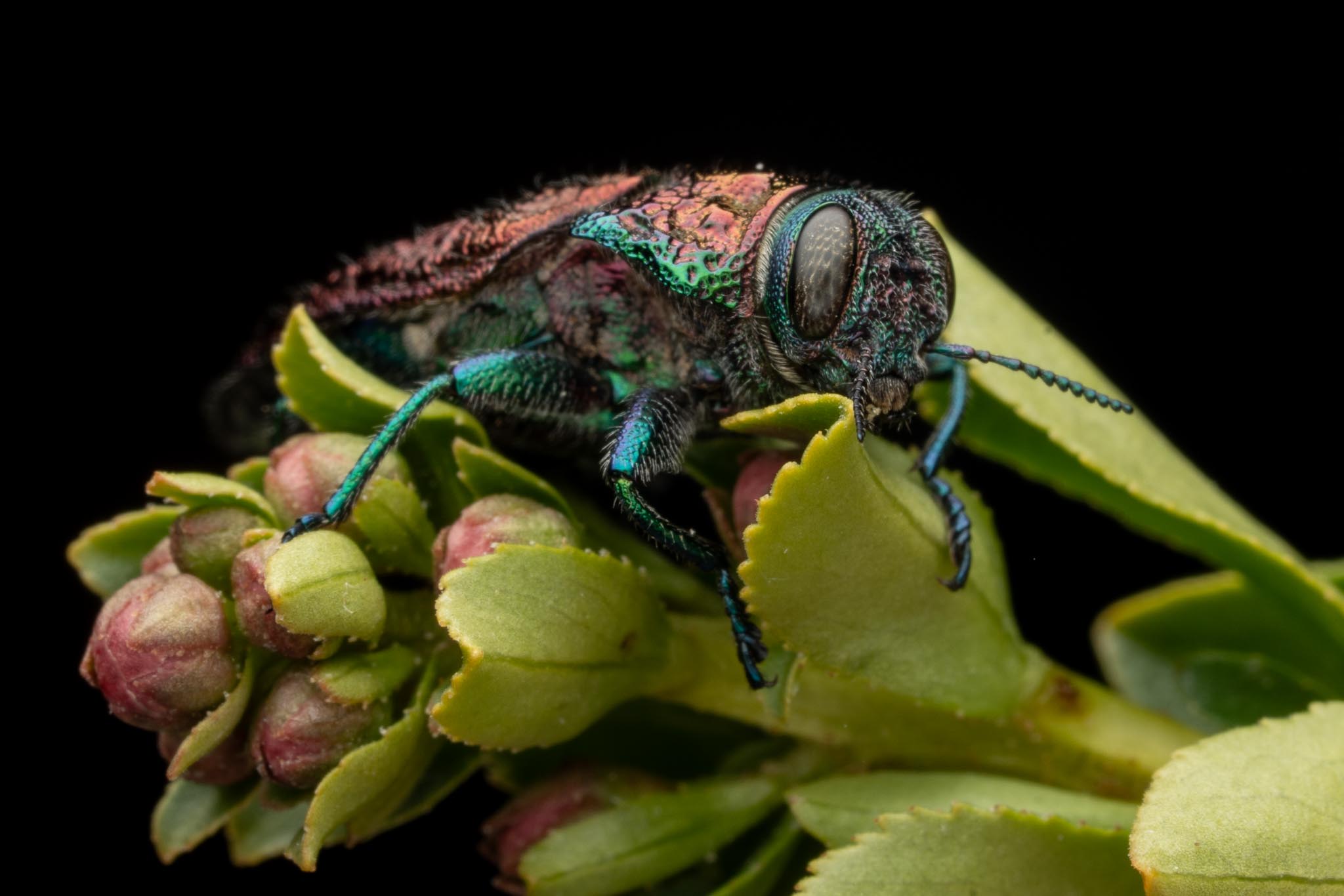
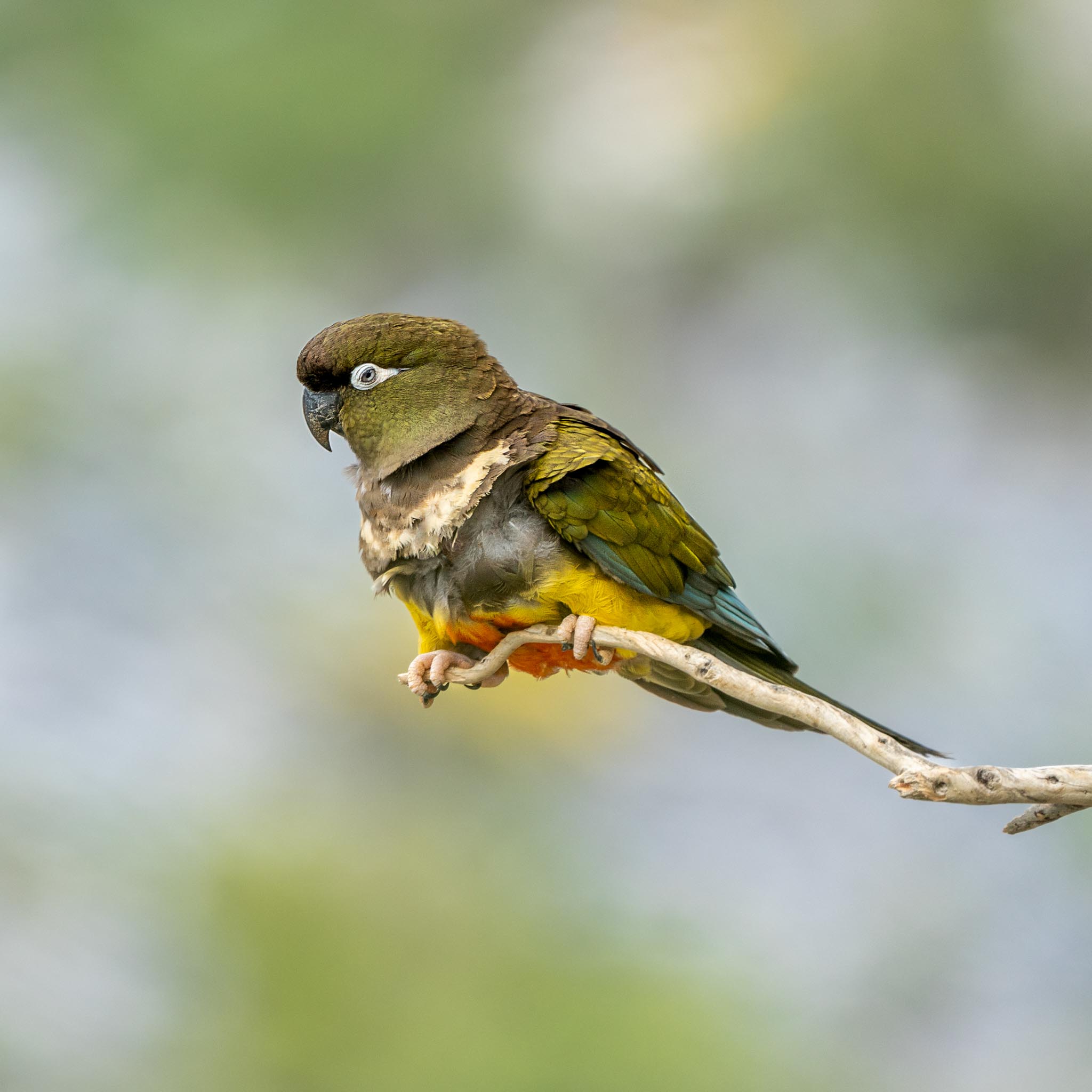
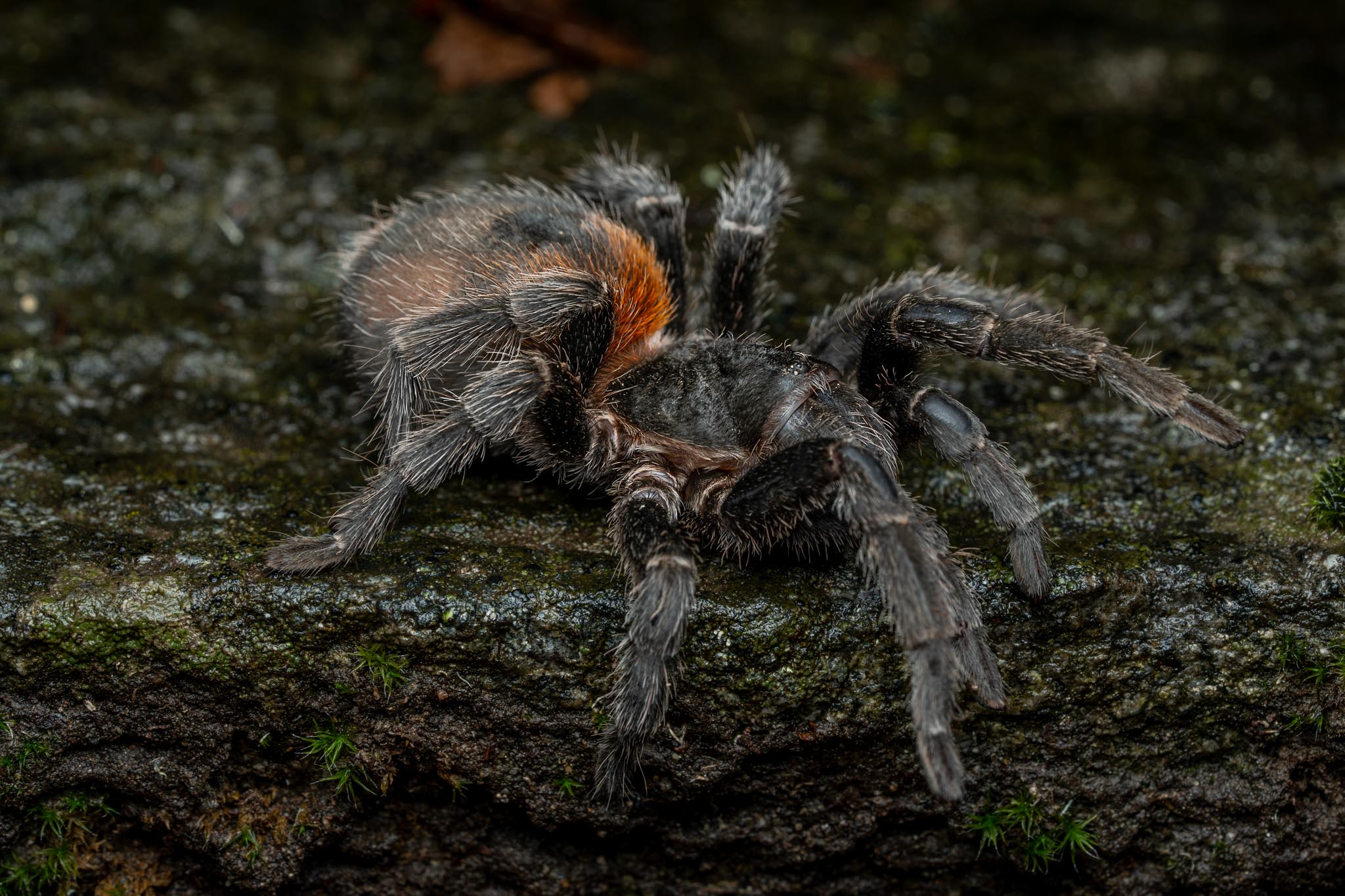
Among this wealth are numerous endemic plant species, such as Anemone moorei, Bipinnula apinnula, Phycella maulensis y Alstroemeria pseudospathulata, These plants are adapted to specific mountain conditions and have very restricted distributions, making them sensitive indicators of the ecosystem's conservation status. These forests also support highly specialized fauna, such as amphibians. Telmatobufo venustus and frogs of the genus Alsodes, dependent on clean, relatively undisturbed streams. These are joined by less visible but equally important species, such as the matuasto. Phymaturus loboi and the beetle Chrysobothris bothrideres pehuenche, key in ecological processes such as wood decomposition. Protected areas like Tricahue Park allow you to observe this biodiversity in the field; there I have photographed emblematic species such as the Tricahue parrot (Cyanoliseus patagonus), the red-tufted dwarf tarantula (Homoeomma chilensis) and the southern growler (Pristidactylus torquatus), reflecting the close relationship between the forests of Maule and their extraordinary endemism (Faúndez & Carvajal, 2011; Formas & Cuevas, 2013; Ministry of the Environment, 2014, 2021).

Anemone moorei. Felipe Ponce.

Bipinnula apinnula. Felipe Ponce.

Alstroemeria pseudospathulata. Felipe Ponce.

Beautiful little frog (Telmatobufo venustus). Felipe Ponce.

Spiny-breasted toad of the Lircay (Alsodes hugoi). Felipe Ponce.

Matuasto (Phymaturus loboi). Felipe Ponce.

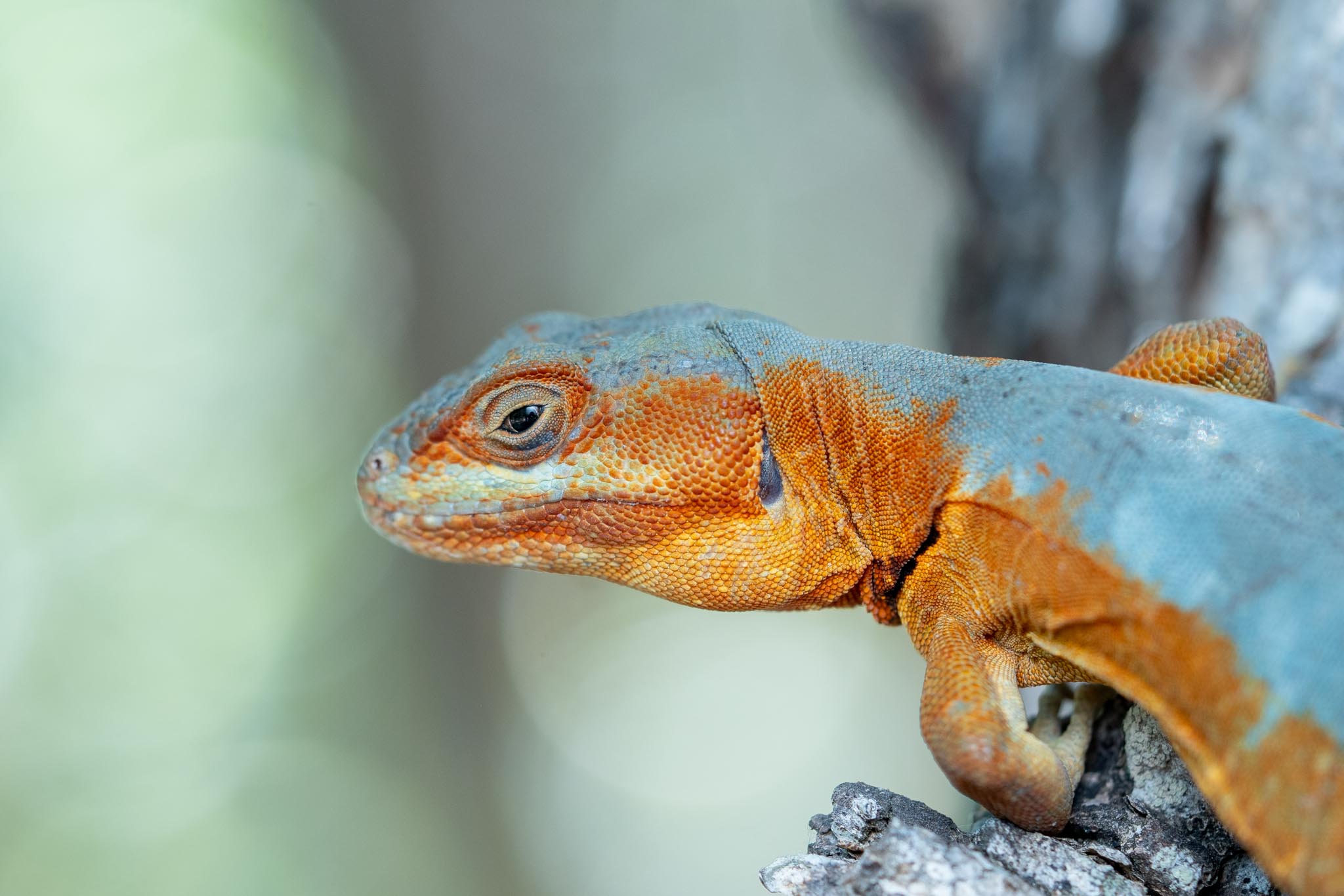
Southern Grunt (Pristidactylus torquatus). Felipe Ponce.

Jewel beetle (Chrysobothris bothrideres pehuenche). Felipe Ponce.

Tricahue parrot (Cyanoliseus patagonus). Felipe Ponce.

Red-tufted dwarf tarantula (Homoeomma chilensis). Felipe Ponce.

Conservation Photography

From my background as an agronomist and oenologist, I have learned to understand the land through the ecological processes that sustain it, such as soil, water, and climate. However, it is through conservation photography that this technical knowledge has been transformed into a tool for communication and action. Photographing the Maule region means not only recording landscapes, but also documenting constantly changing living systems, many of them still unknown to a large part of society, and it is here that my need to communicate through the lens of my camera arises.

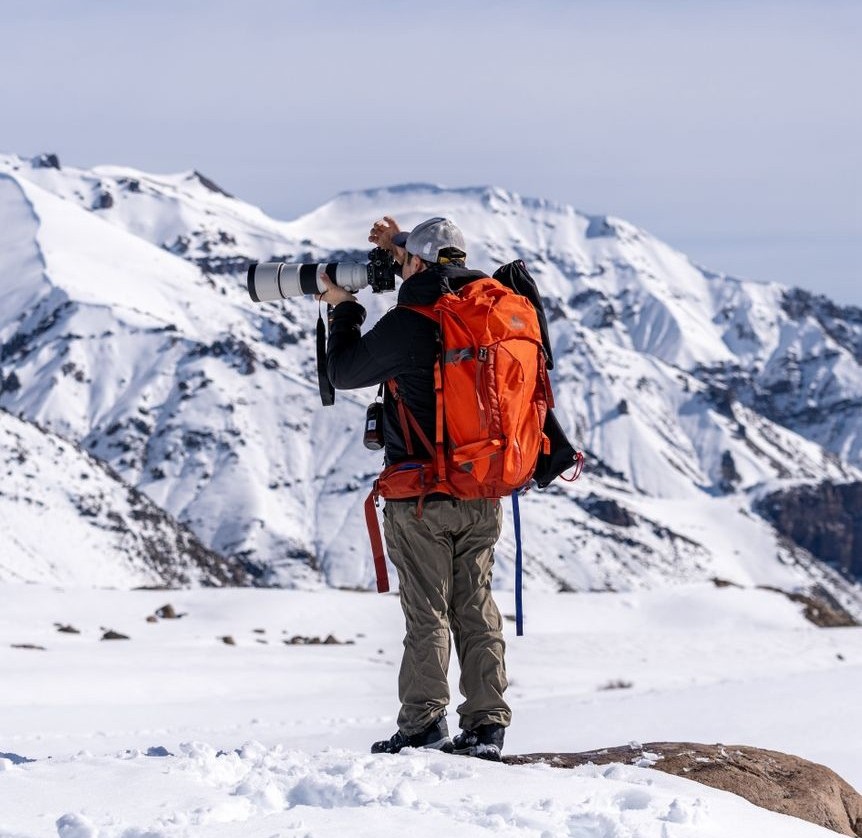
Felipe Ponce recording the Maule mountain range during the winter.

Conservation photography fulfills a role that goes beyond aesthetics. It is a scientific, educational, and emotional tool that allows for the creation of records in hard-to-reach areas, supports research processes, raises awareness in local communities, and strengthens the bond between people and biodiversity. In a context of climate change and increasing pressure on ecosystems, images become evidence, a record, and a call to action (Ministry of the Environment, 2021). This biological richness has made the Maule region a priority destination for photographers from other regions, such as Ricardo Varela, Vicente Valdez, and Aníbal Gómez, who travel there to document unique endemic species, contributing to their dissemination and appreciation.

Southern Grunt (Pristidactylus torquatus). Felipe Ponce.

Photographing endemic species in the Maule mountain range is, in this sense, an ethical act. It implies working with respect, minimizing impact, and understanding that each image has a purpose: to show in order to protect. The conservation of Andean endemics in Maule is not only a scientific or institutional task, but a collective responsibility that requires knowledge, sensitivity, and action, where photography can become a fundamental bridge between science, the land, and society.

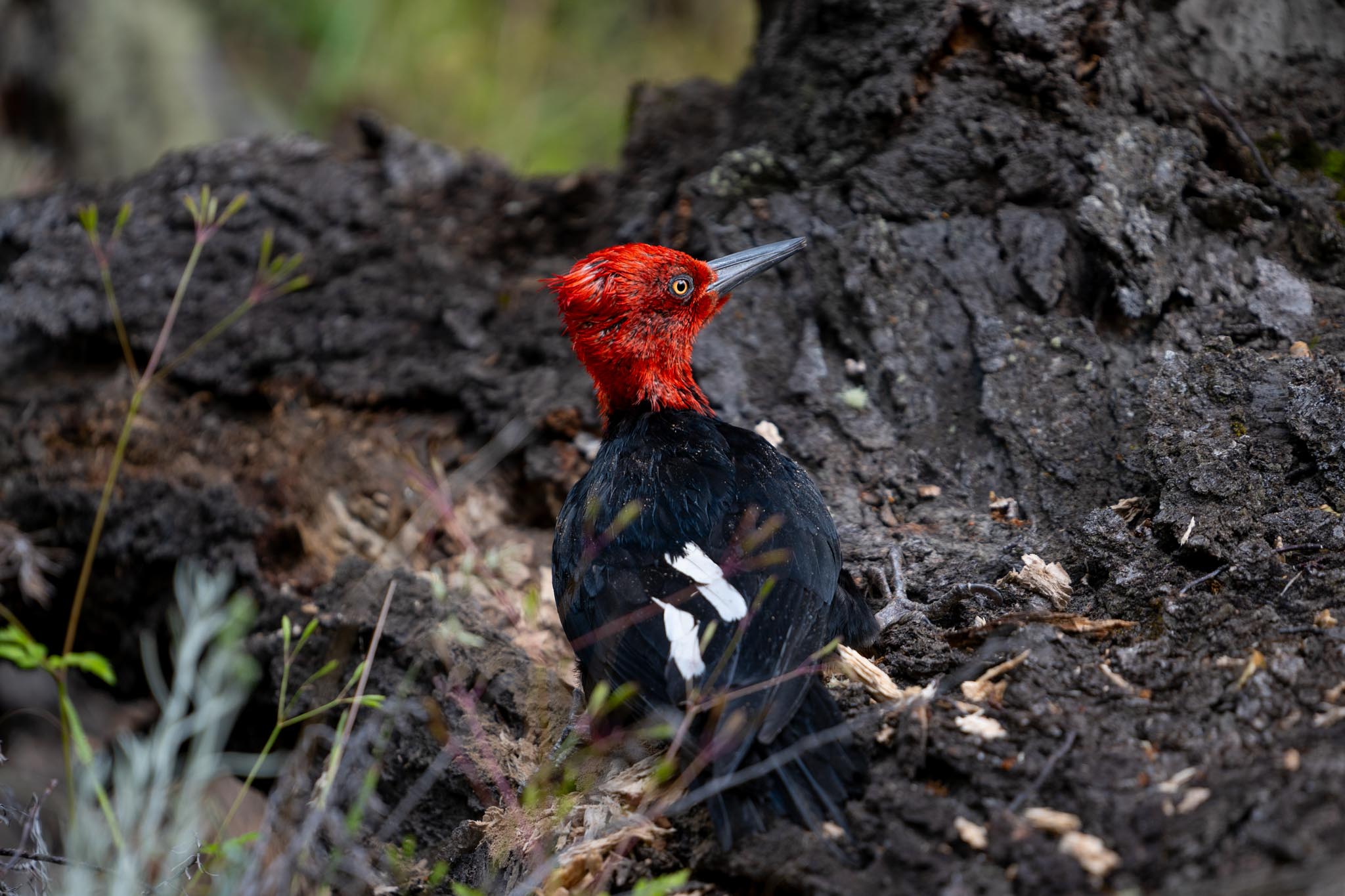
Black carpenter (Campephilus magellanicusFelipe Ponce

Sources

Arroyo, MTK, Marquet, PA, Marticorena, C., Simonetti, JA, Cavieres, L., Squeo, FA, & Rozzi, R. (2006). The biodiversity hotspot of central Chile: diversity patterns, threats and conservation priorities. Chilean Journal of Natural History, 79(4), 421–437.

Faúndez, EI, & Carvajal, MA (2011). Insects associated with native forests of central and southern Chile. Santiago, Chile: Editorial Universitaria.

Formas, JR, & Cuevas, CC (2013). Amphibians of the temperate forests of southern Chile. Gayana, 77(2), 123–140.

Ministry of the Environment. (2014). Recovery, conservation and management plan for amphibians of Chile. Government of Chile.

Ministry of the Environment. (2021). Biodiversity of Chile: natural heritage and conservation priorities. Government of Chile.

Villagrán, C., & Hinojosa, LF (1997). History of the forests of southern South America, II: Phytogeographic analysis. Chilean Journal of Natural History, 70(2), 241–267.

Leave a Reply

Your email address will not be published. Required fields are marked *

Leave a Reply

Your email address will not be published. Required fields are marked *