CULTURE
CULTURAL HERITAGE
The cultural heritage of the Pillanmapu Geopark reflects thousands of years of human presence in the Maule mountain range. This heritage is typically divided into tangible, such as objects, structures and material remains, and intangible, which includes traditions, knowledge, trades, and ways of life passed down through generations. However, at Pillanmapu we prefer to organize it into two main areas that better represent our territorial identity: on the one hand, the archaeological heritage, which testifies to the passage of ancient peoples through its paths, settlements, and ceremonial sites; and on the other hand, the muleteer and artisan culture, a way of life that is current and deeply rooted in the mountain range, which gives continuity to practices, knowledge and links with the mountain that continue to define local communities to this day.
ARCHAEOLOGICAL HERITAGE
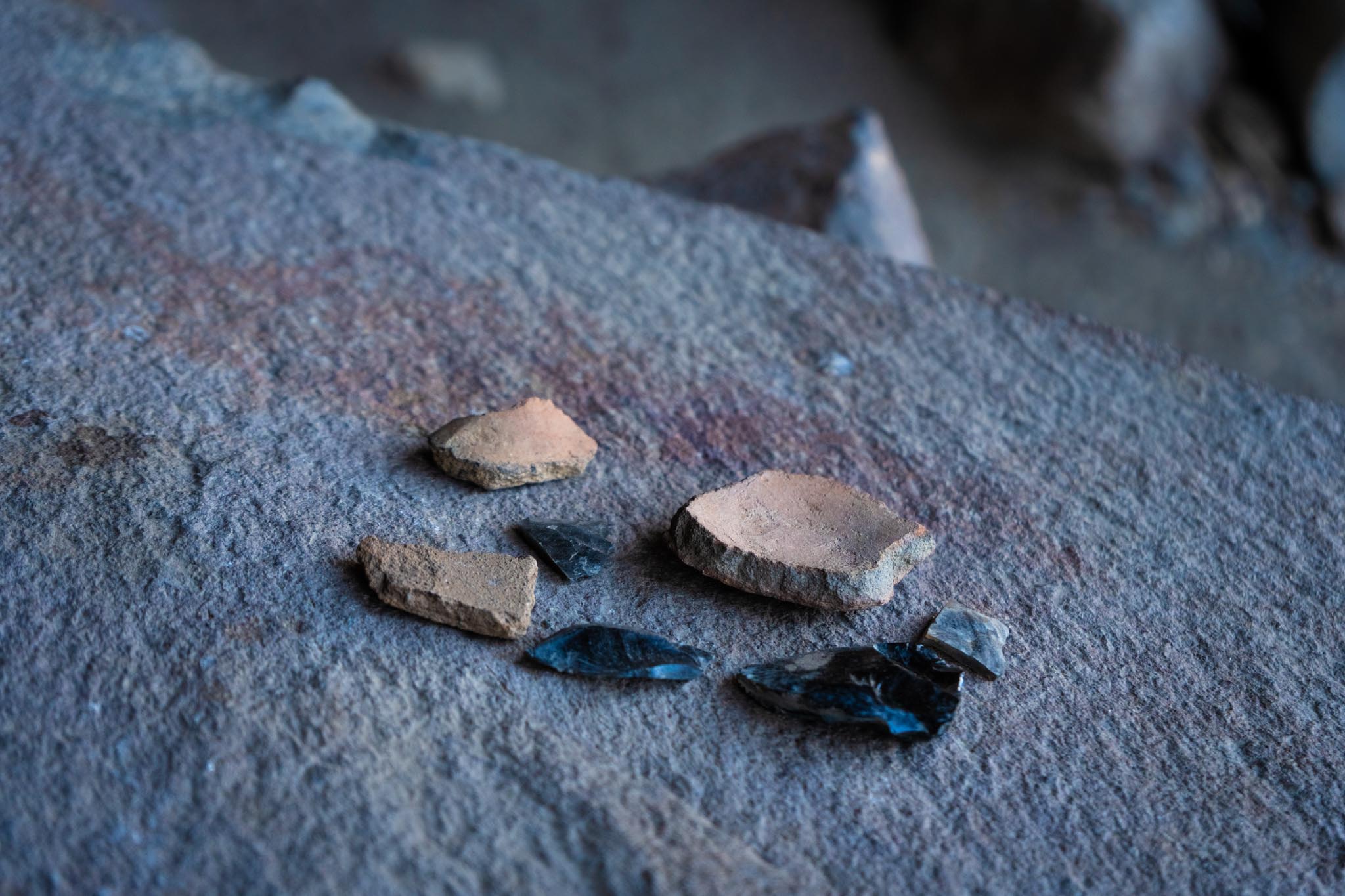
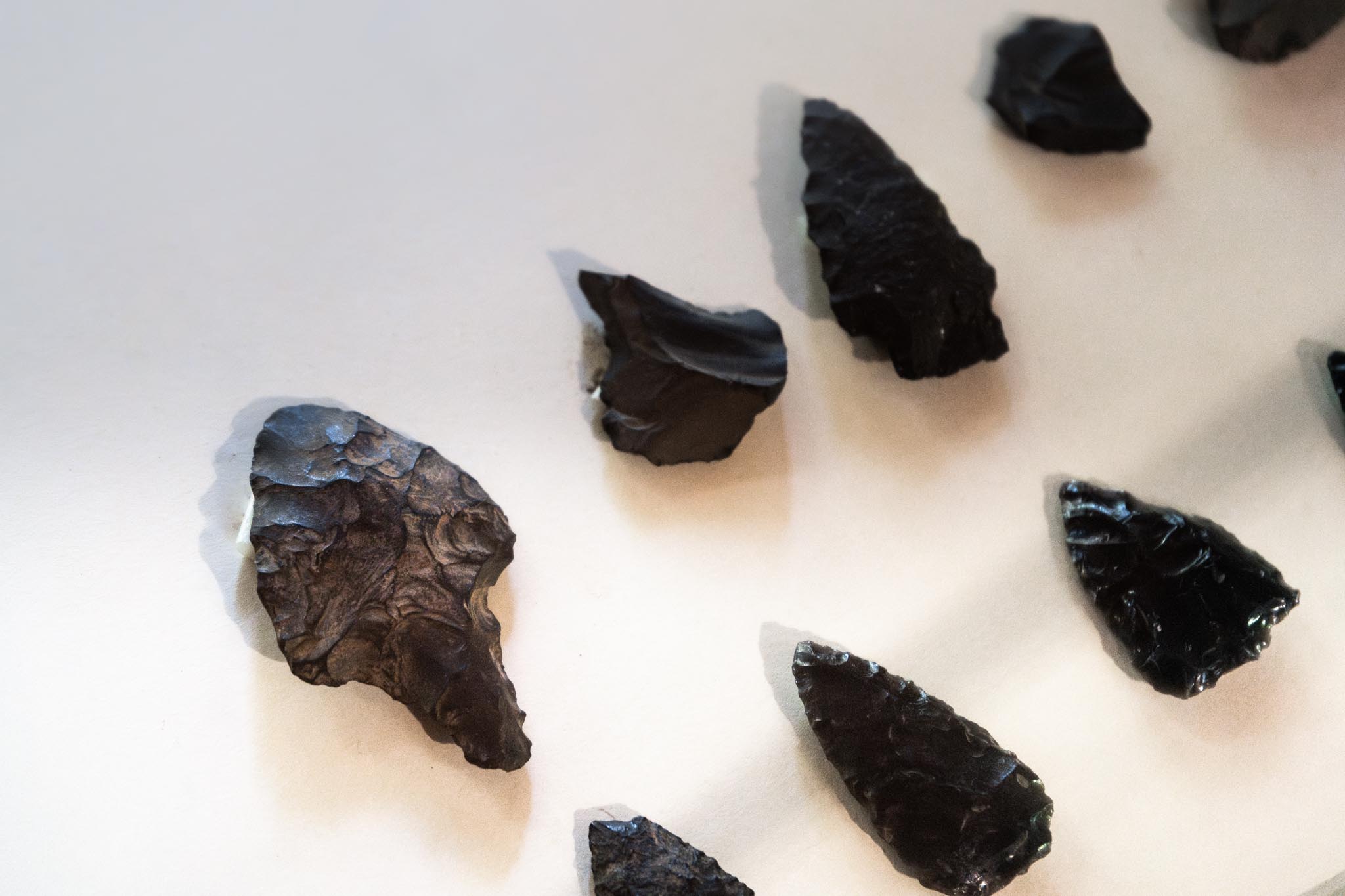
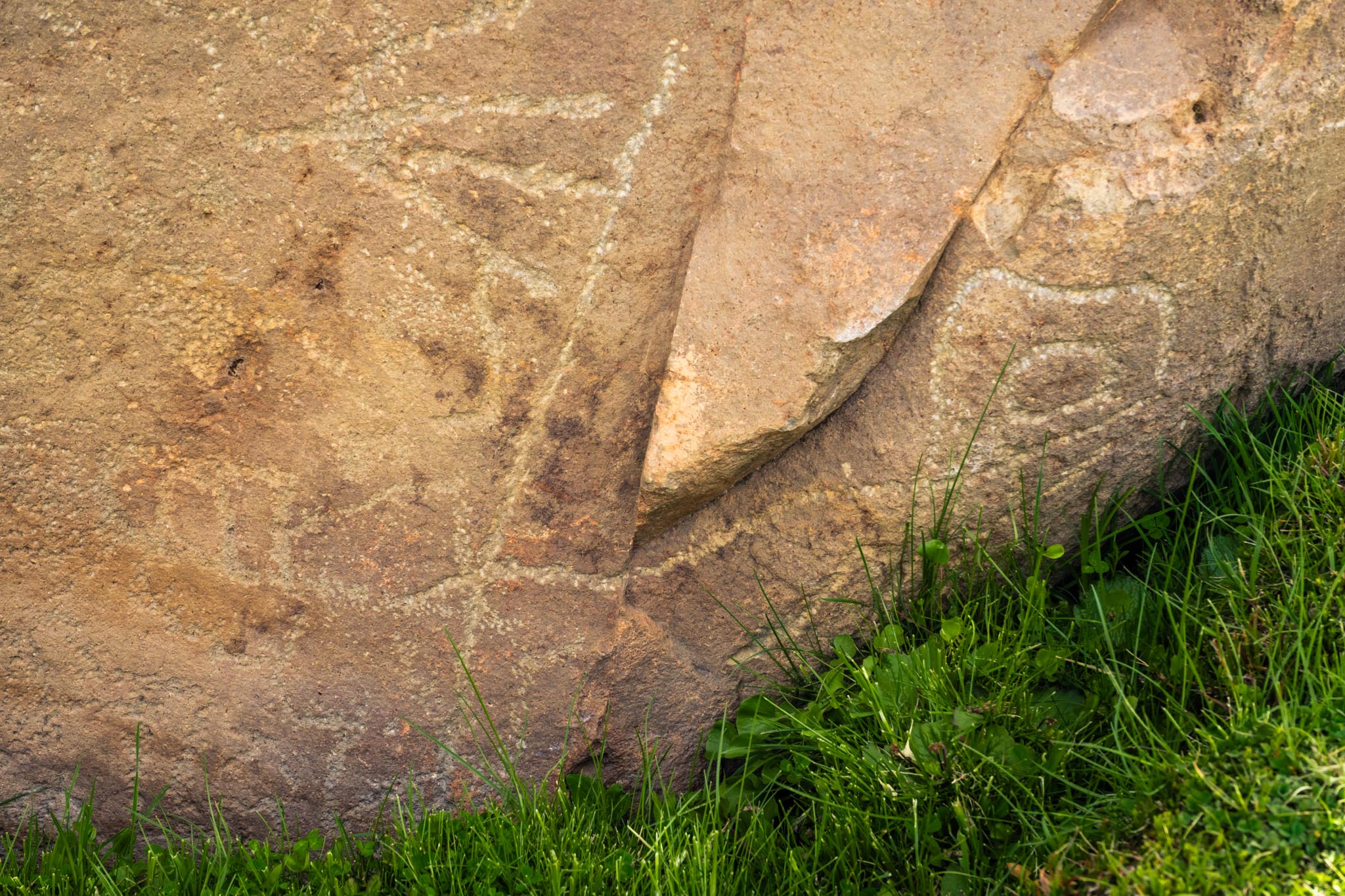
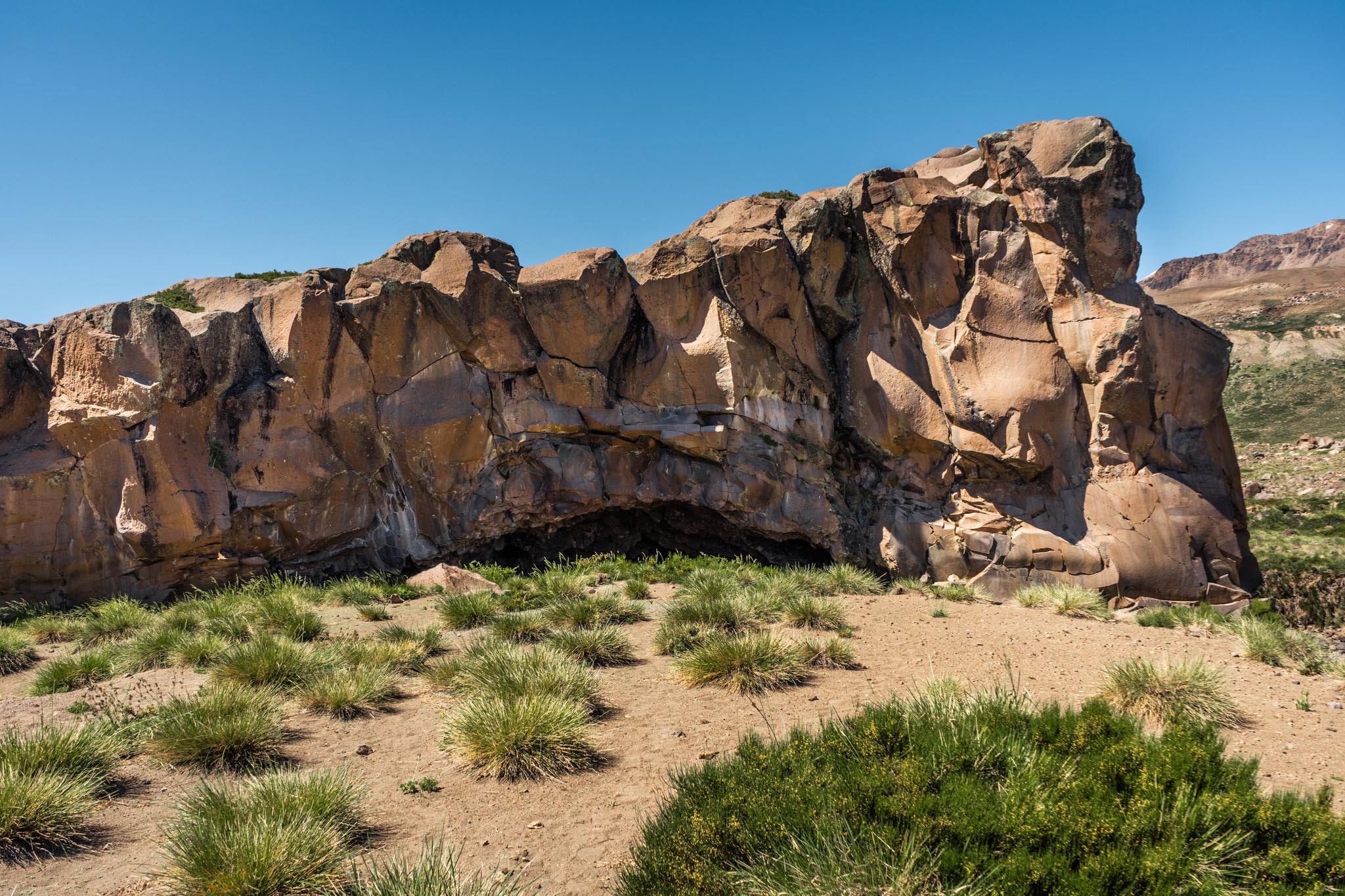
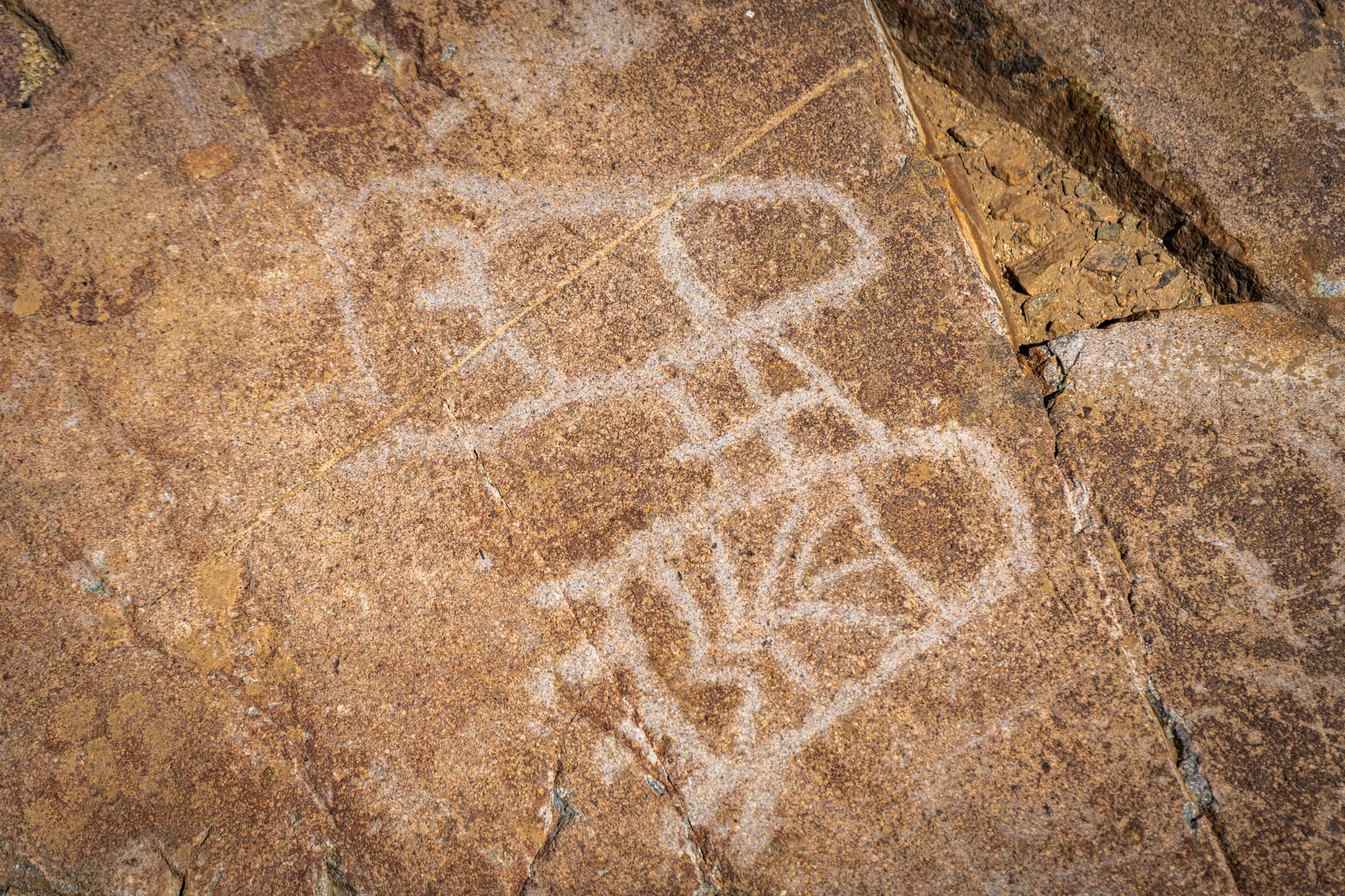
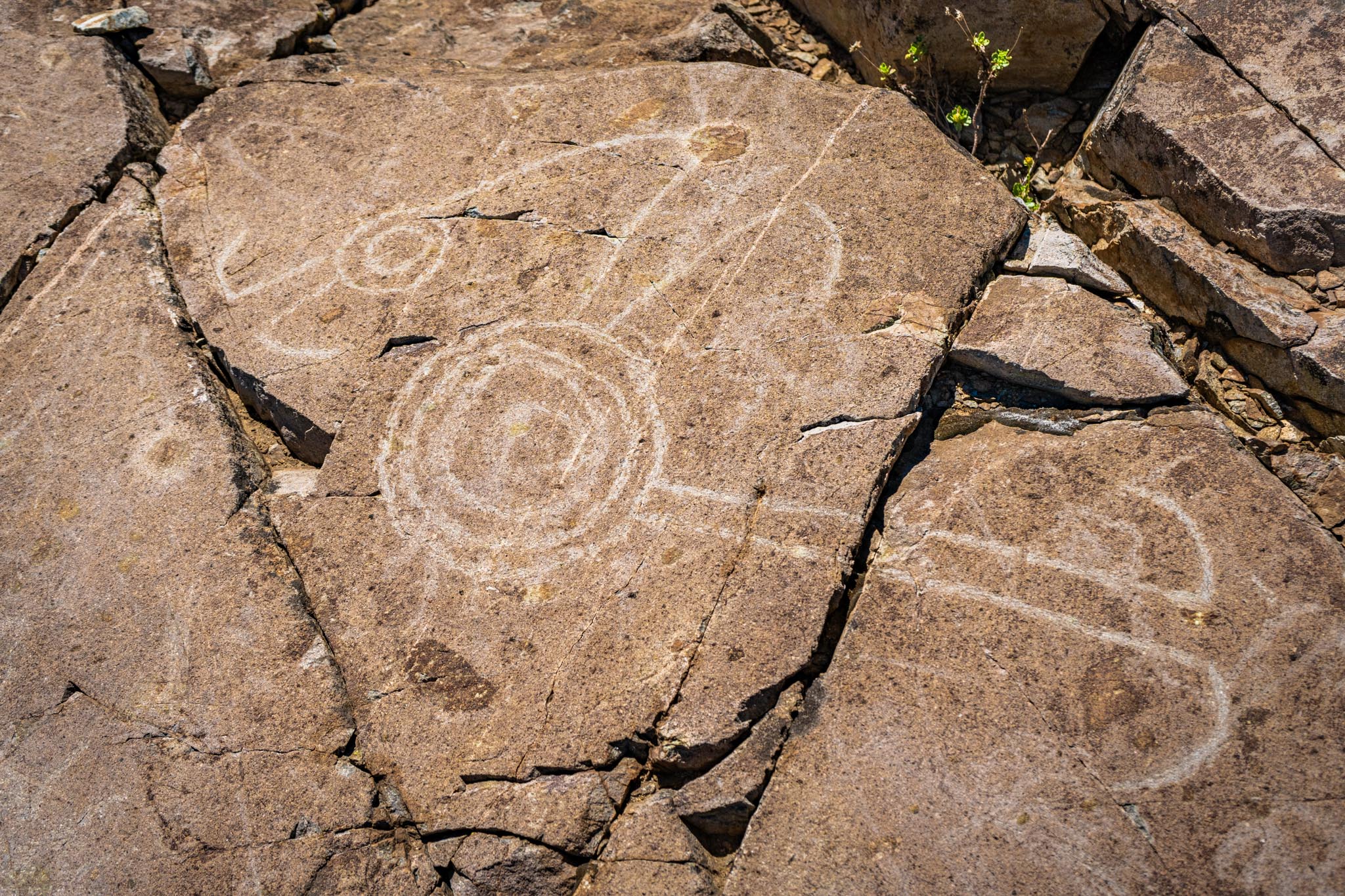
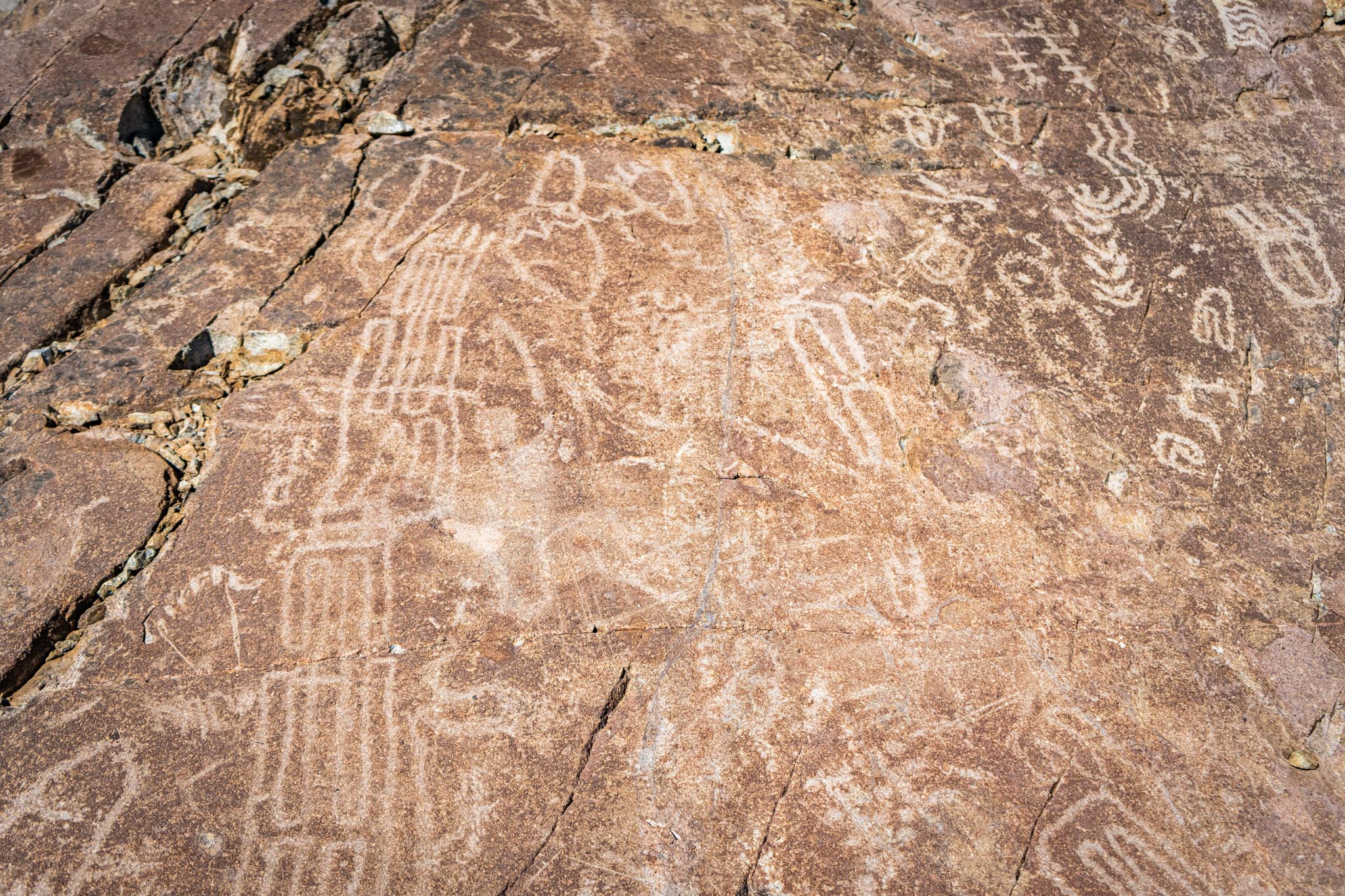
The archaeological heritage of the Pillanmapu Geopark reveals a early human occupation in the Maule mountain range, where for thousands of years different groups moved, inhabited, and reused the same spaces. The most frequent evidence corresponds to quarries and lithic workshops, where rocks were selected and carved to make tools; rocky overhangs used as shelter; as well as ceramic fragments and lithic pieces that reveal daily activities, mobility, and exchange networks. One of the most characteristic features of local heritage is the Guaquivilo style, A collection of rock art created primarily in caves and on rock walls through engraving and painting, where geometric motifs, schematic anthropomorphic figures, and representations of fauna predominate. This style, characteristic of the Maule mountain range, reflects a long cultural continuity, with sites that were used and reoccupied for centuries or even millennia by different groups who, without knowing each other, shared the tradition of marking and reinterpreting the same places. The fragility of these records makes their preservation essential: they constitute the single direct window that we have to understand the life, beliefs and movements of the first inhabitants of the Maule mountain range.
Click on the following concepts to continue learning:
Place where material evidence of past human occupations is preserved, such as tools, pottery, structures, hearths or rock art.
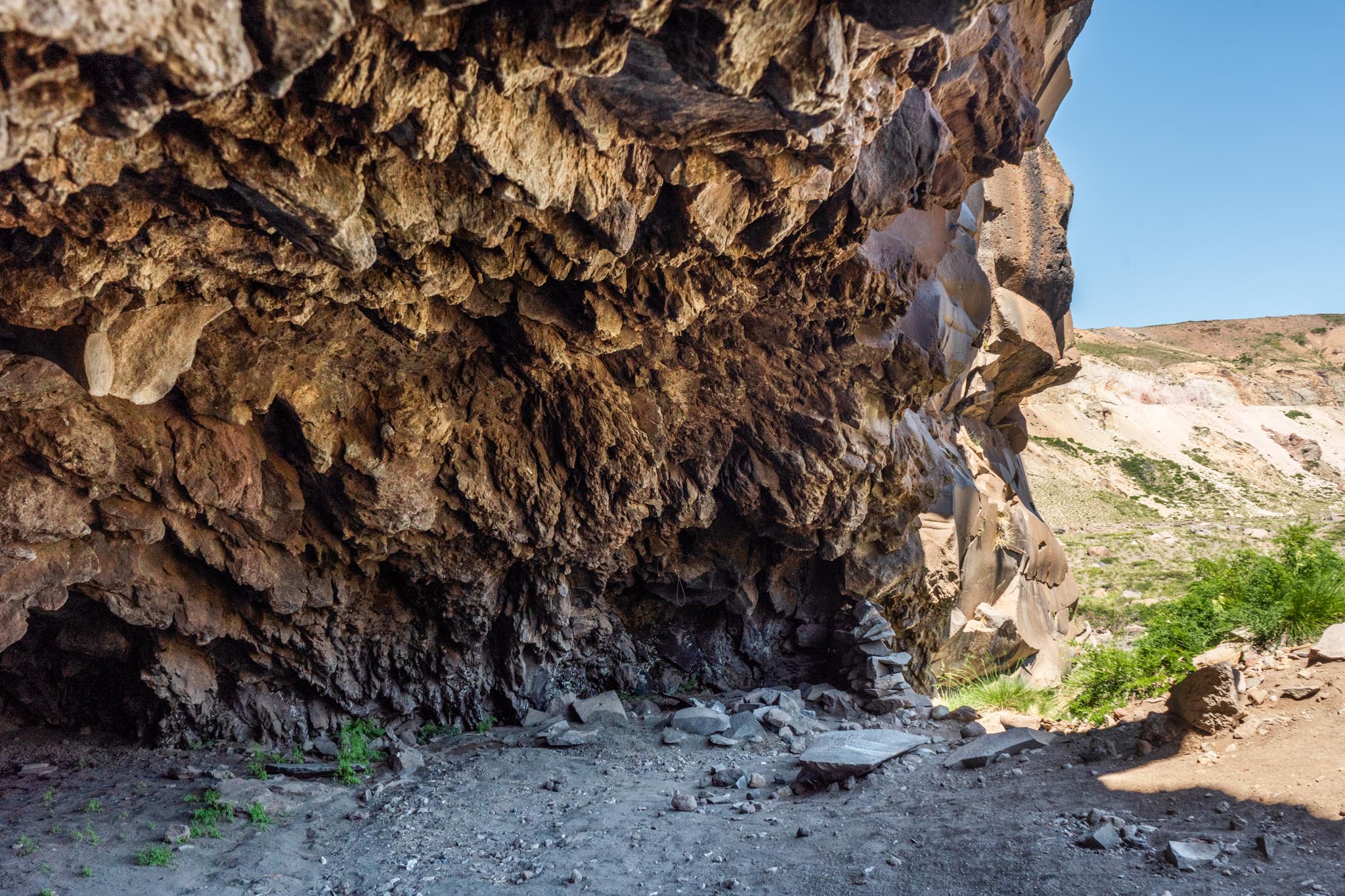
A natural rock shelter formed by a rock overhang that provides partial protection from the elements. They were traditionally used as refuges, temporary campsites, or ritual sites. Some, like the Cave of the Constellations, are still used by muleteers, mountaineers, or climbers.
A site where stone suitable for toolmaking was extracted. It is recognizable by rock outcrops with traces of extraction and fragmentation.
Area where human groups carved and made stone tools. It is identified by the presence of knapping debris, cores, and lithic fragments.
Piece of carved or broken rock resulting from human labor, whether it is manufacturing waste or a remnant of a tool.
Small ceramic piece belonging to a vessel or object, whose shape, thickness, decoration or composition allows identification of techniques and cultural styles.
Representations created on rock surfaces through painting, engraving, or carving. It constitutes a symbolic form of communication and cultural expression.
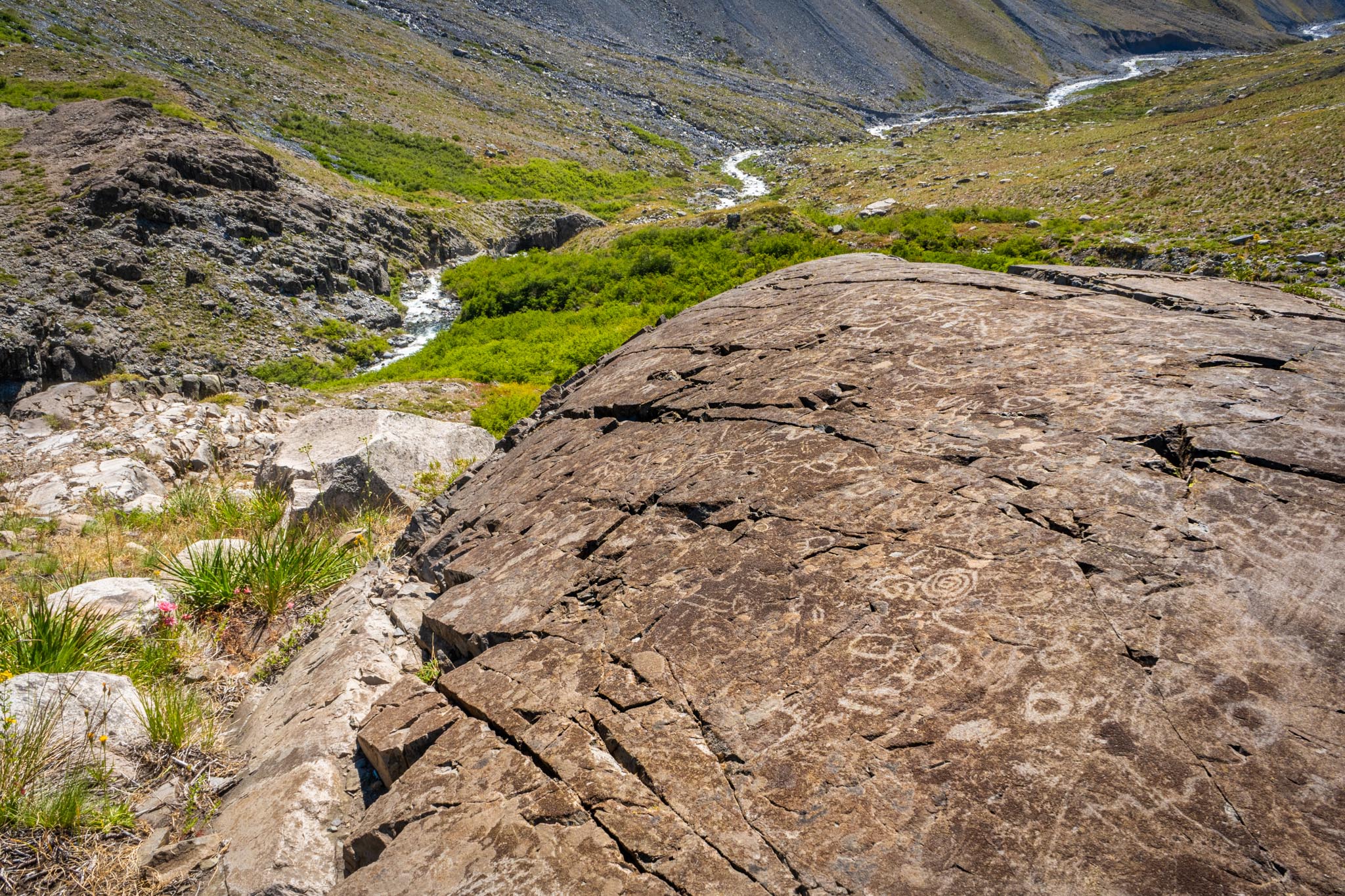
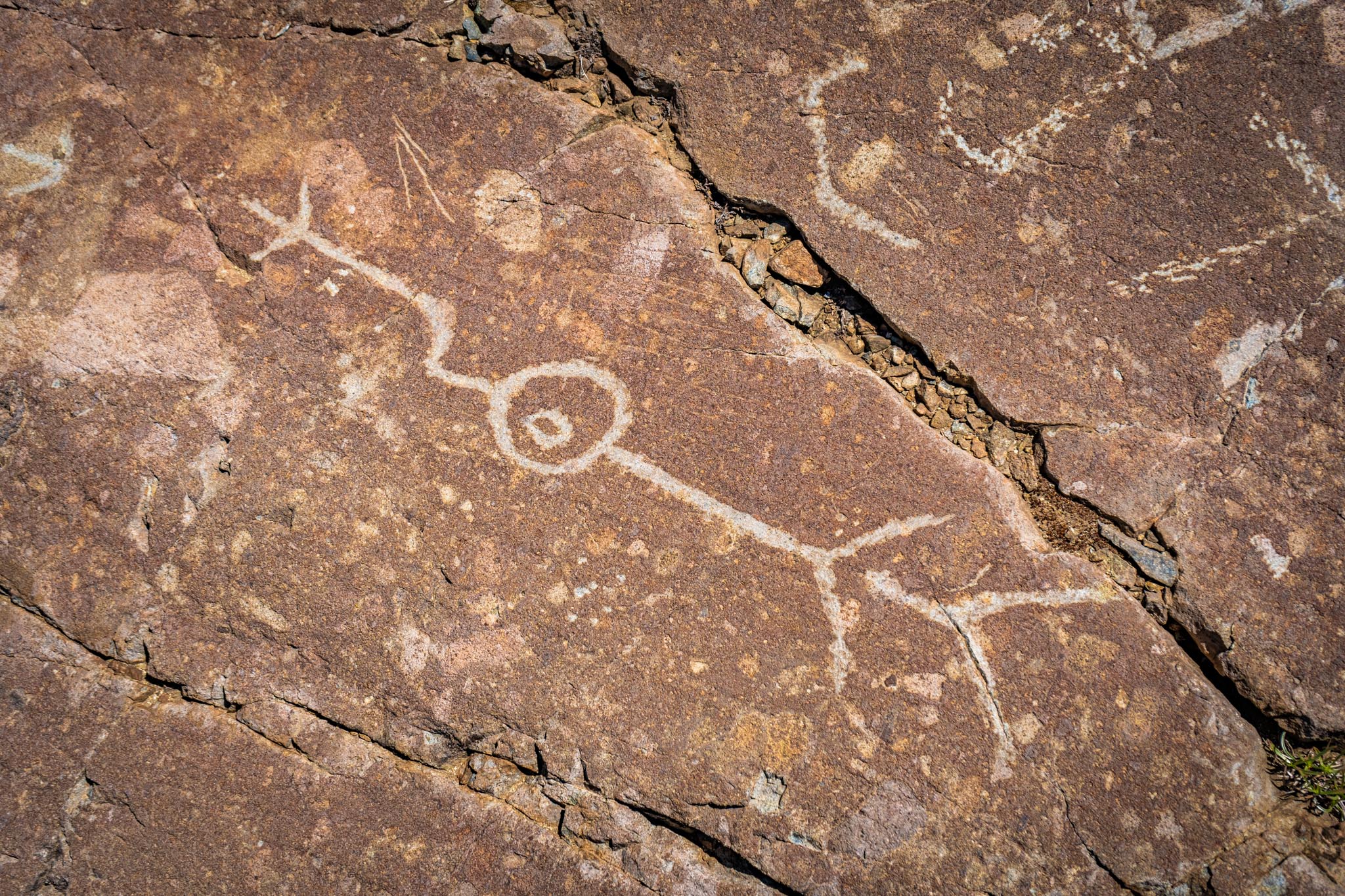
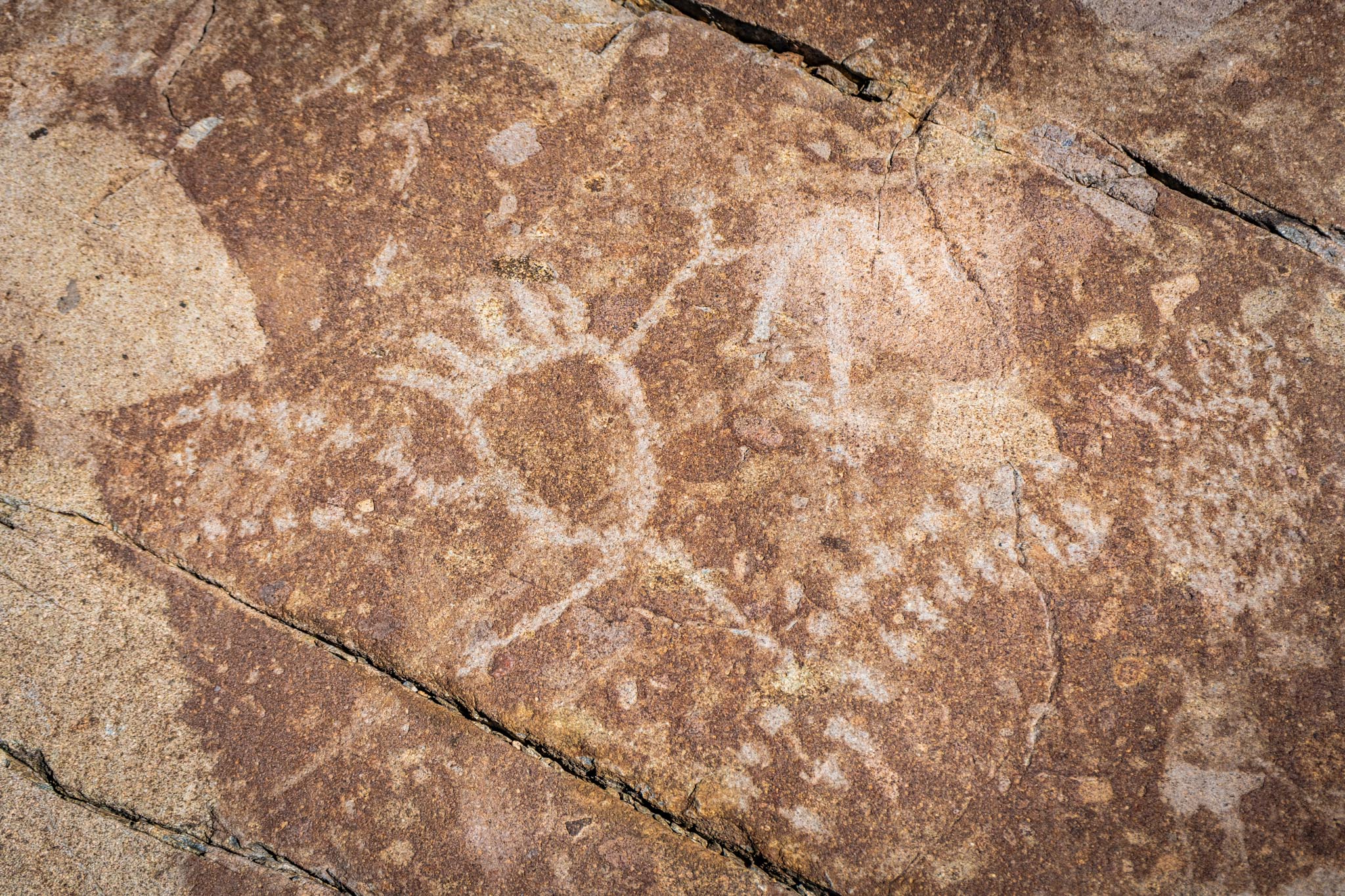
The rock art tradition characteristic of the Maule mountain range is defined by engravings and paintings with geometric figures, linear strokes, and schematic anthropomorphic representations. It reflects a long cultural continuity in the area.
Rock art created by engravings or incisions in the rock, made by percussion or scraping. They usually depict geometric figures, animals, or abstract motifs.
Rock art created by applying mineral pigments to rock. It can include colors such as red, black, white, or yellow.
A cup-marked stone is a rock with small, circular cavities carved into it, used for grinding, processing food, or performing ritual practices. Simply put, they functioned as communal mortars where people gathered to grind grain, seeds, and other materials.
Discover archaeological evidence and sites in the Maule mountain range
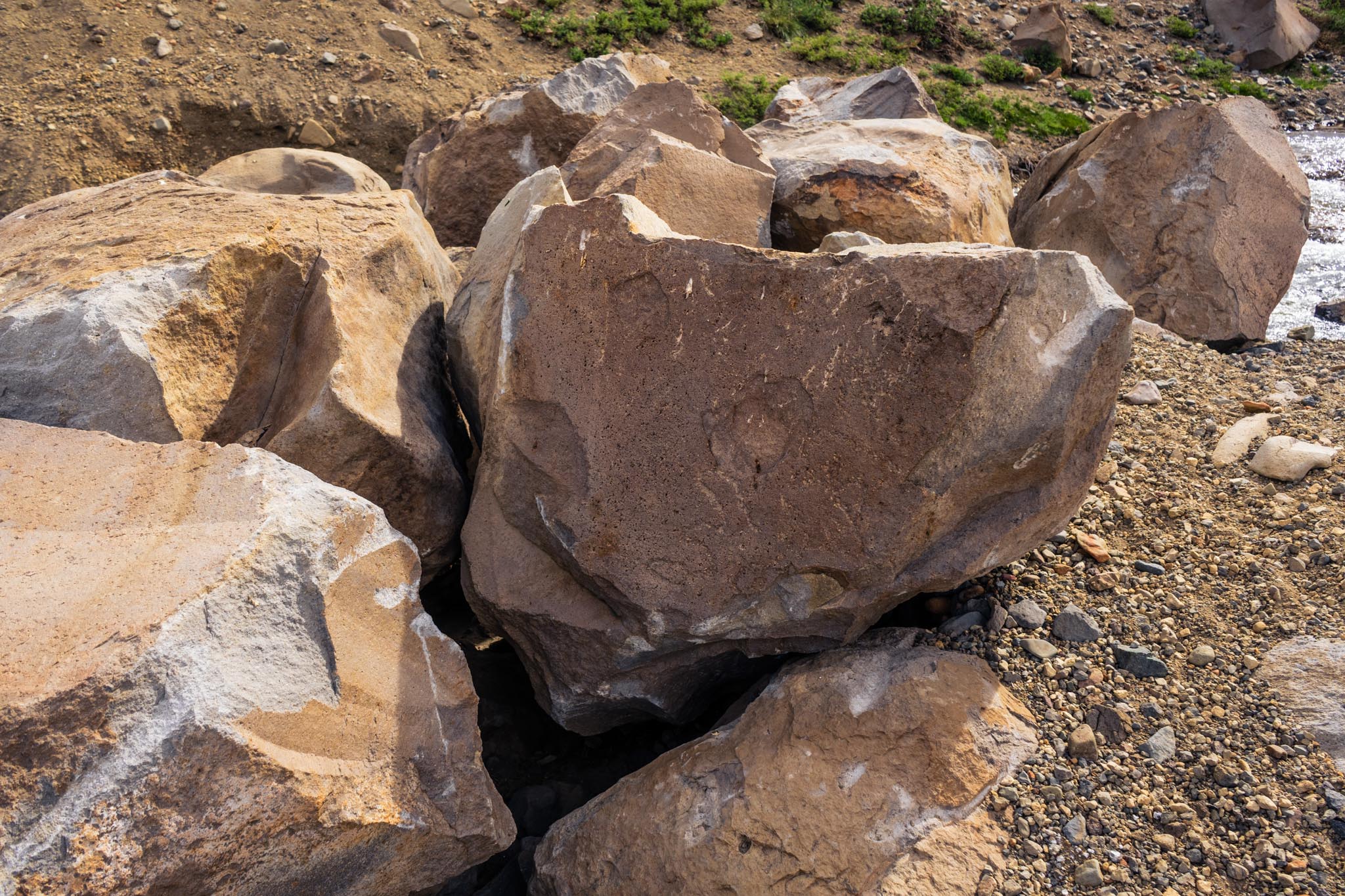
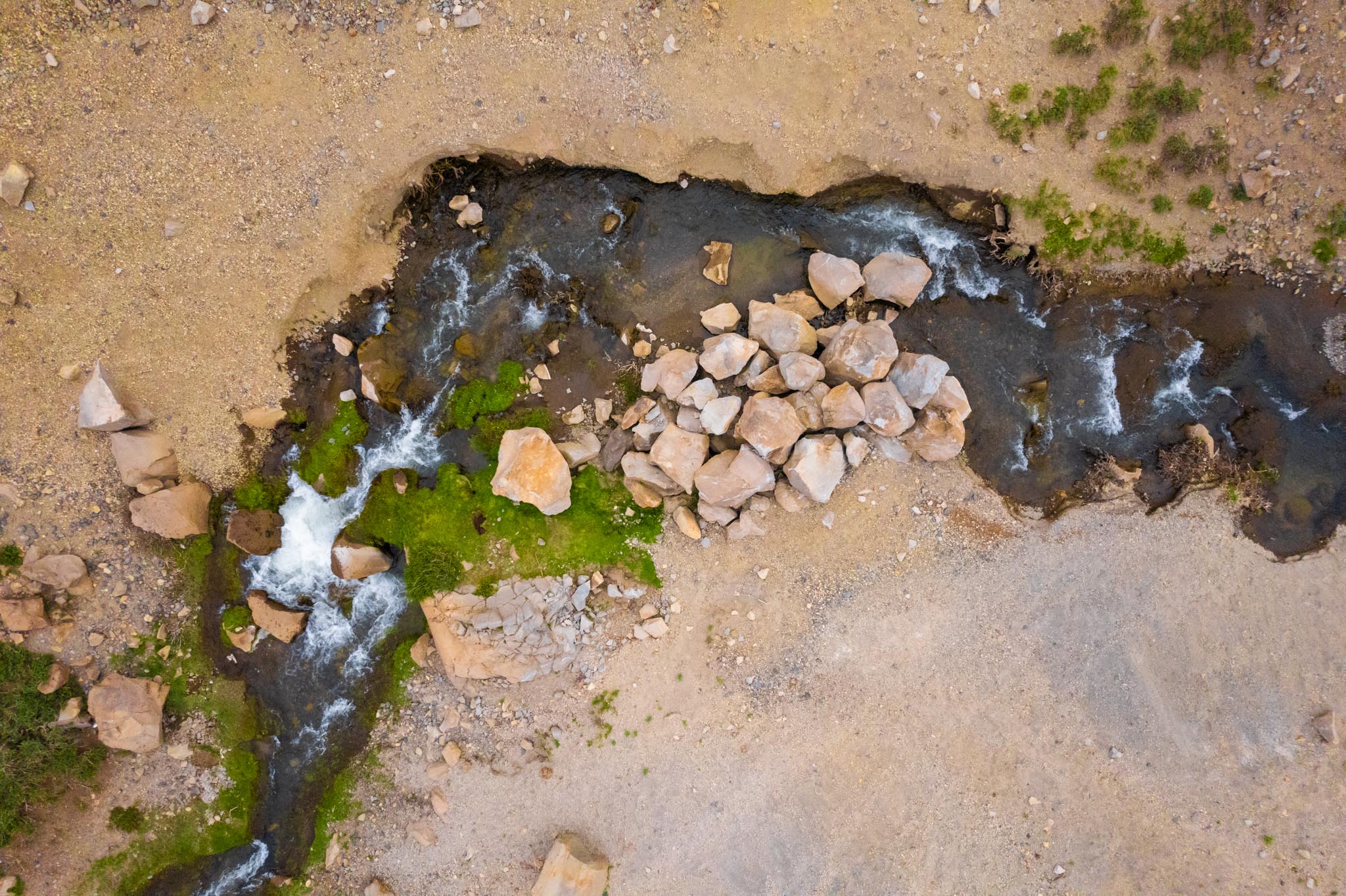
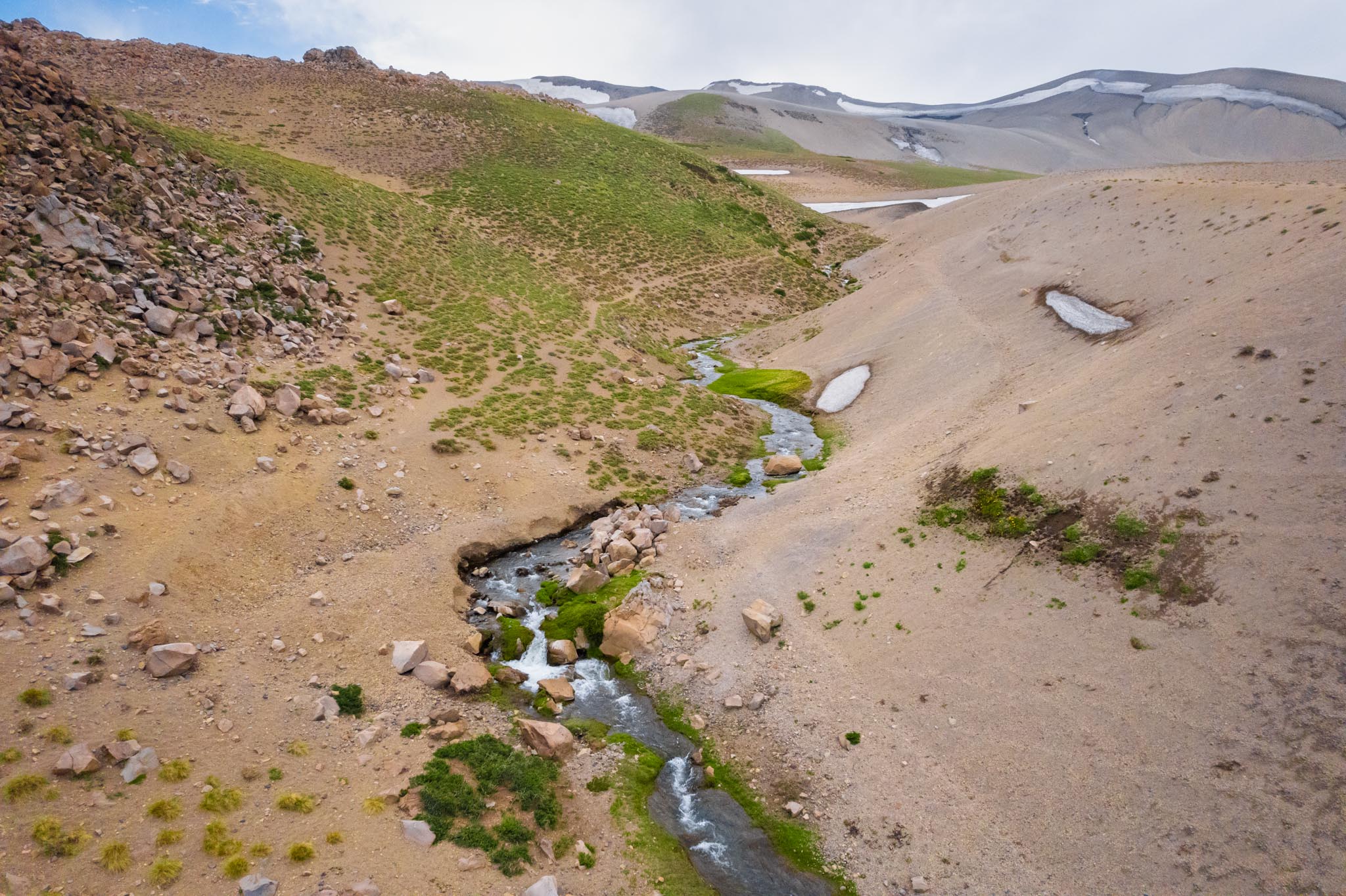
Guaiquivilo Style
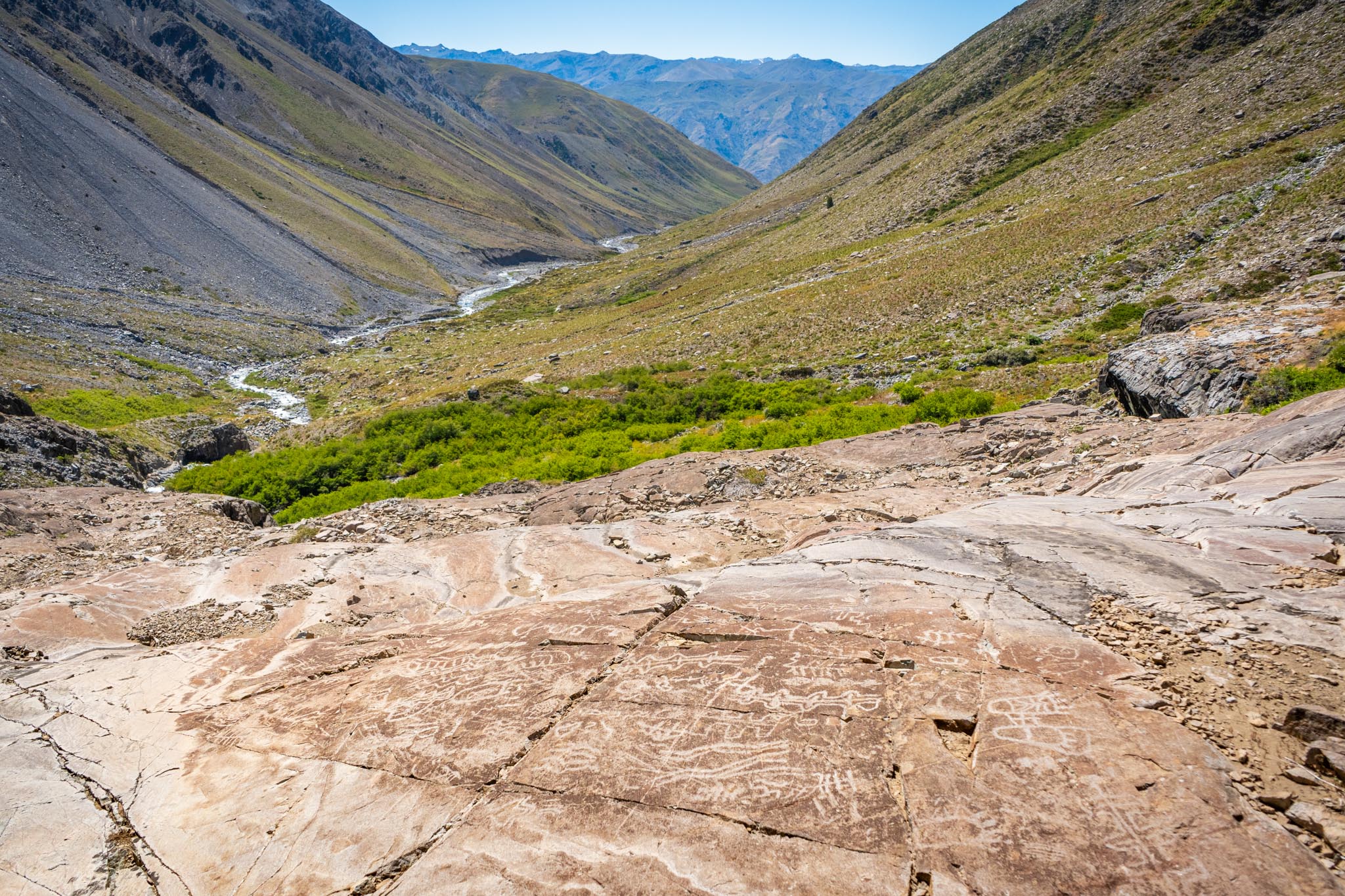
In the upper area of the Pehuenche Pass, near the Maule Lagoon, there were one of the few known petroglyphs of the Guaquivilo style in this sector. Unfortunately, these blocks were partially destroyed and removed by machinery due to lack of knowledge, now lying in the Mellico estuary, thus altering a valuable archaeological record (see photos in the previous gallery). This fact reflects the urgent need to more education and outreach, central task of the Pillanmapu Geopark.
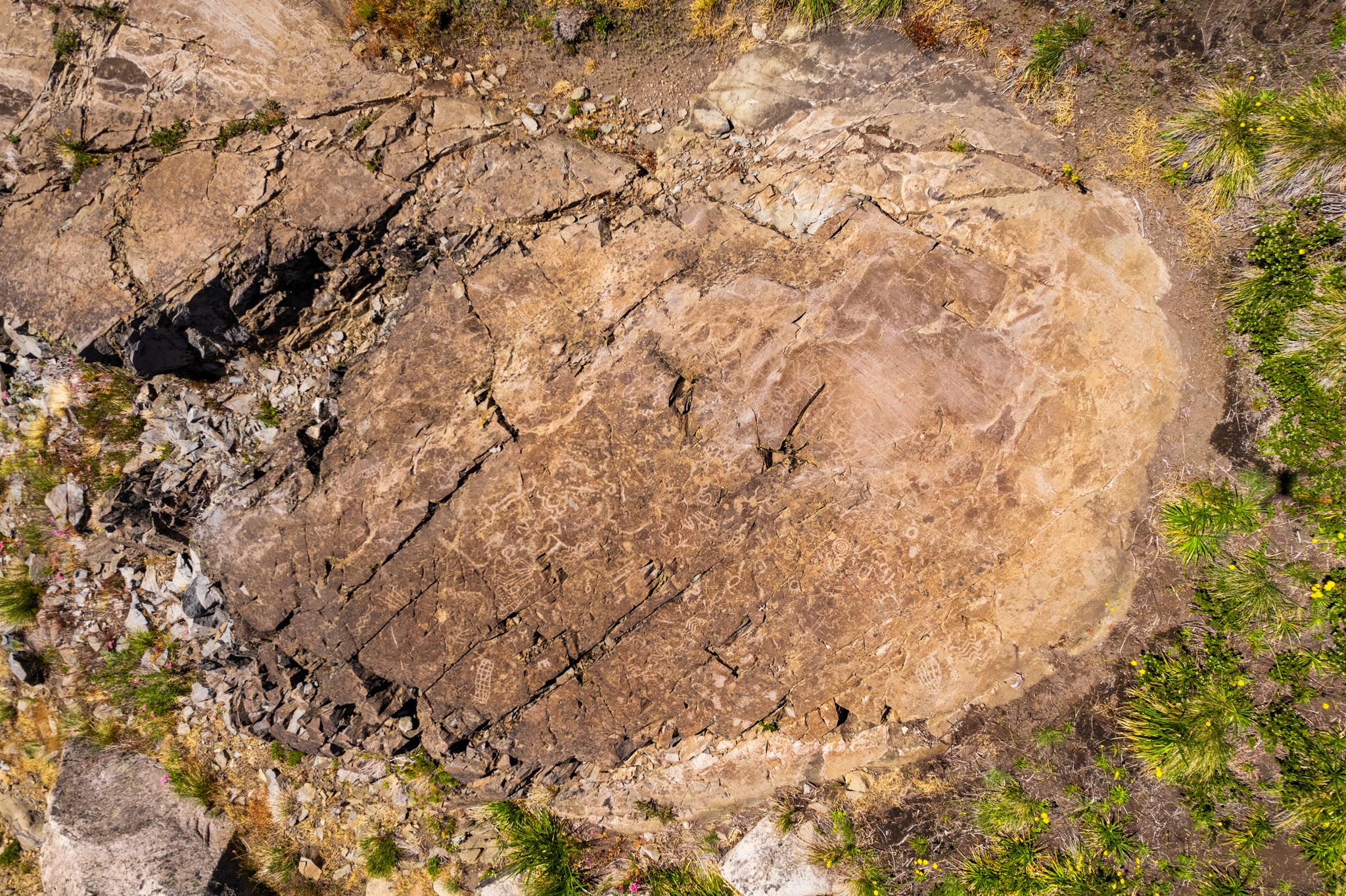
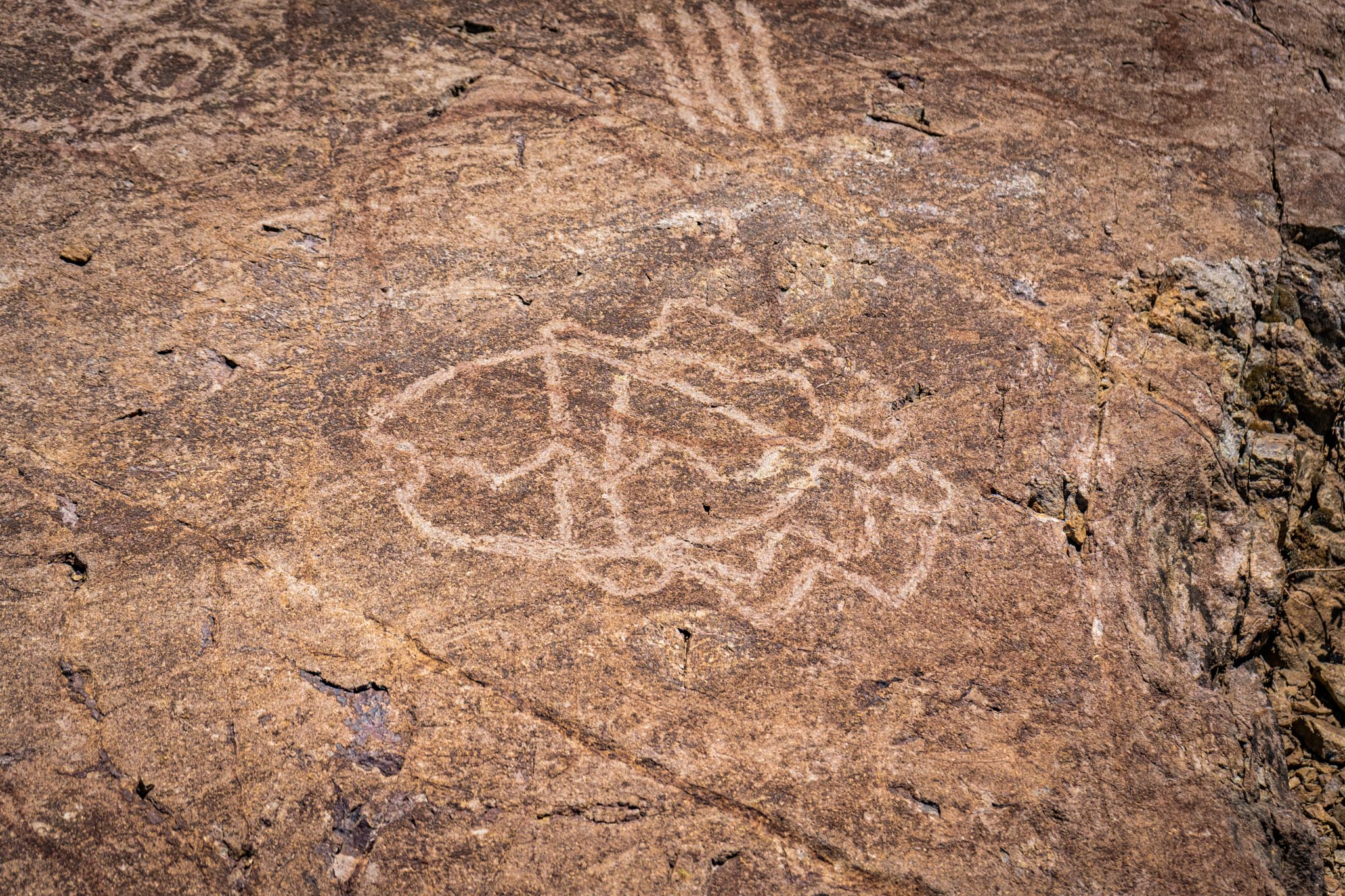
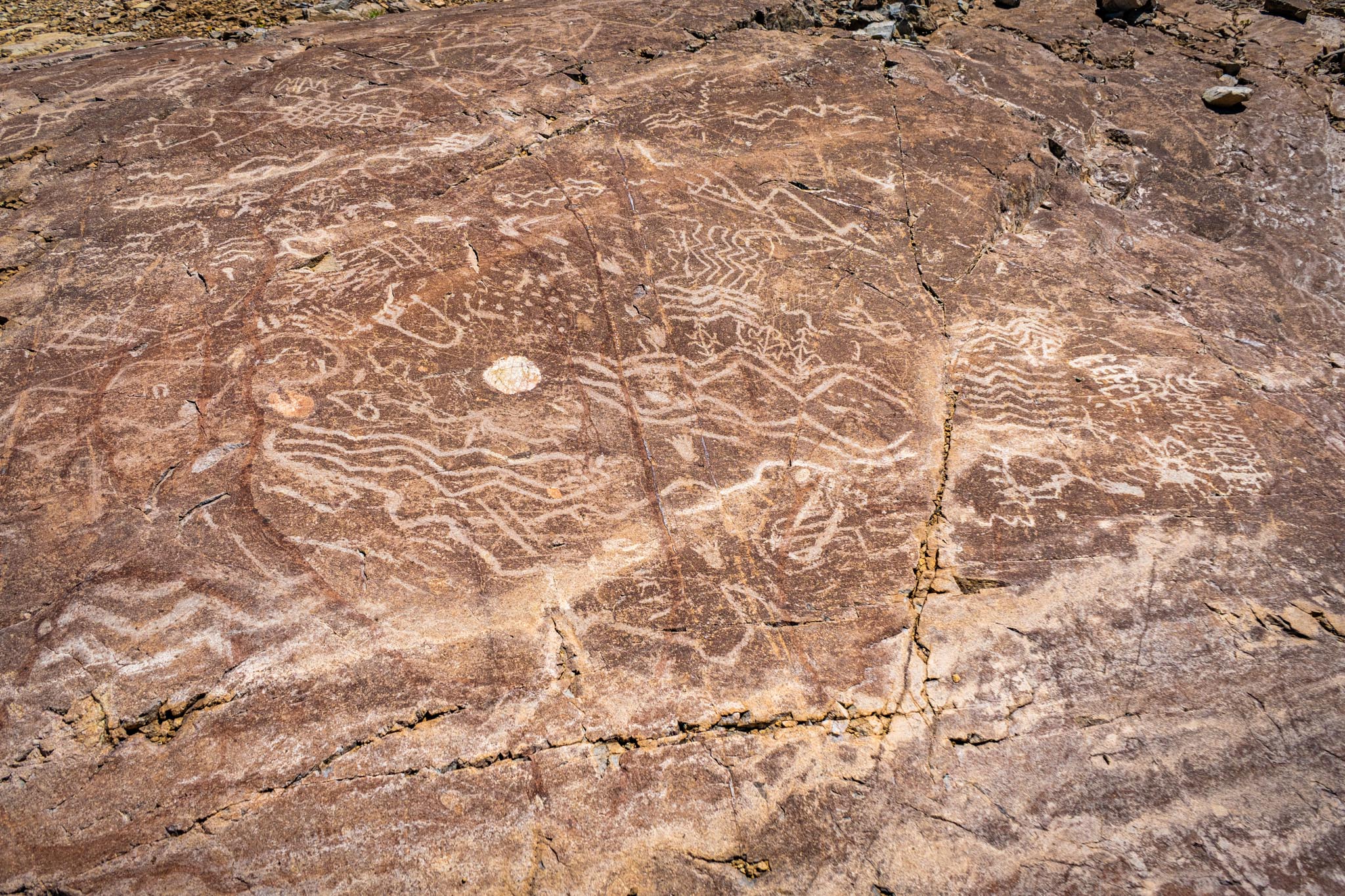
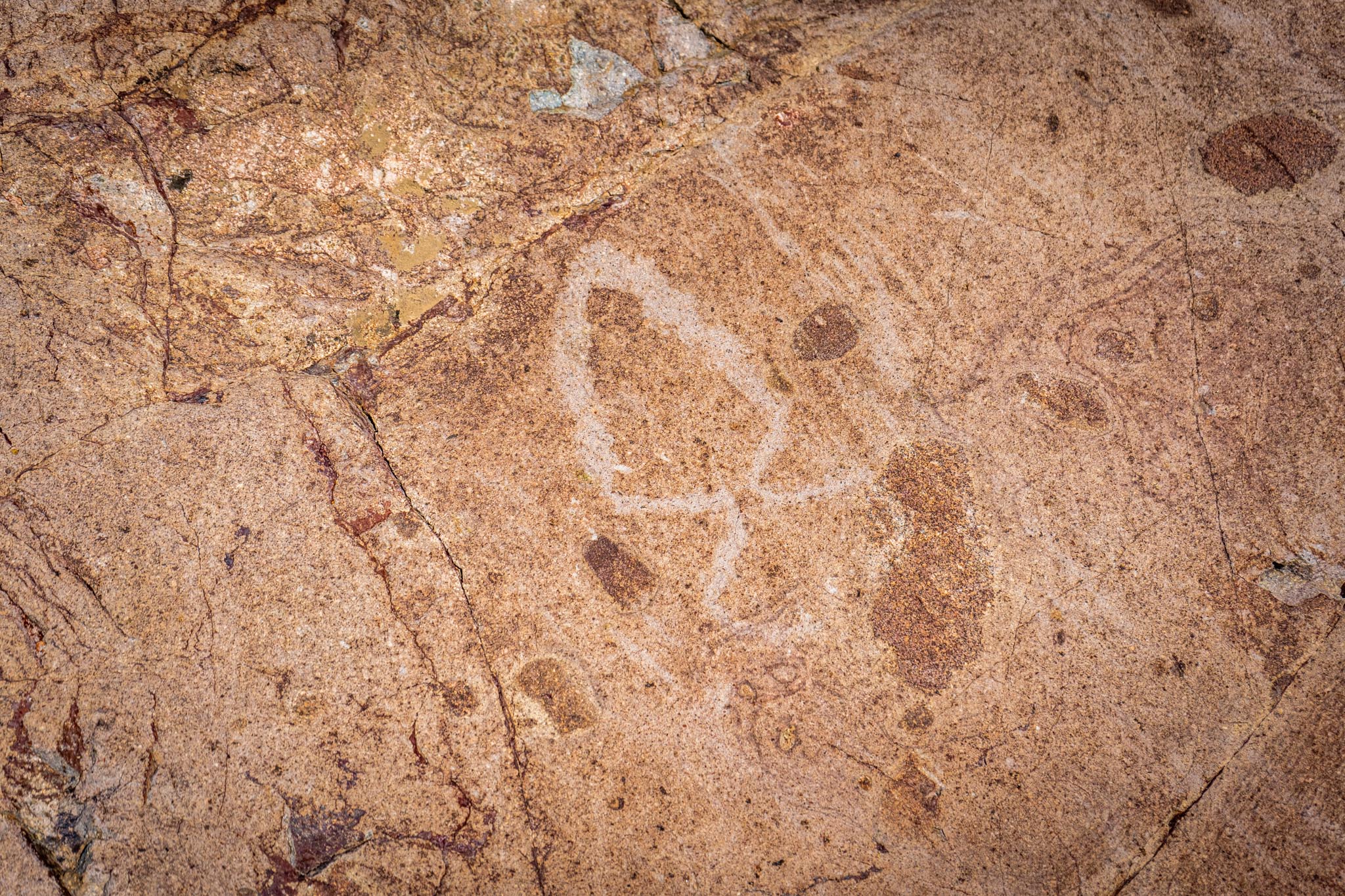
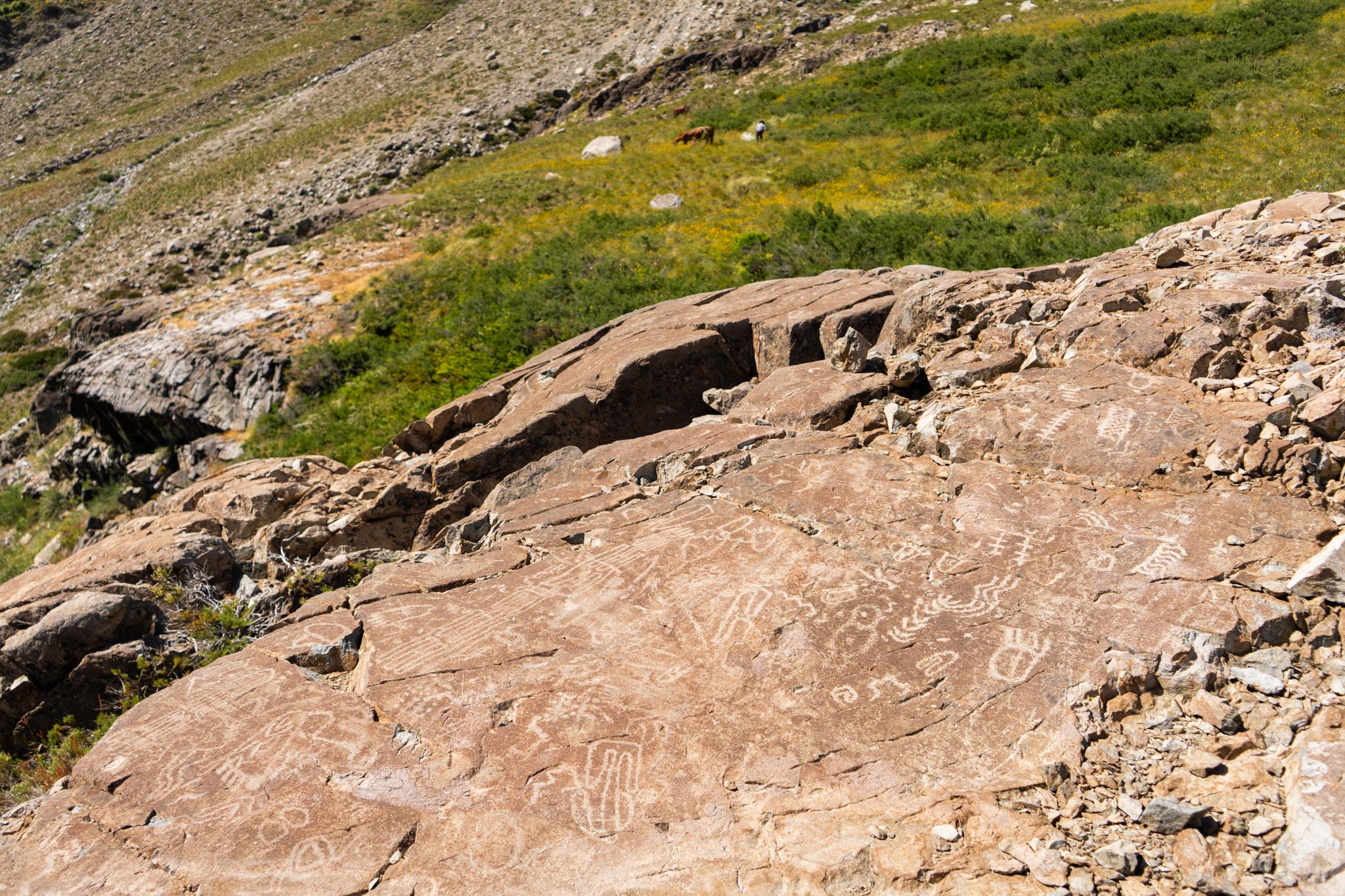
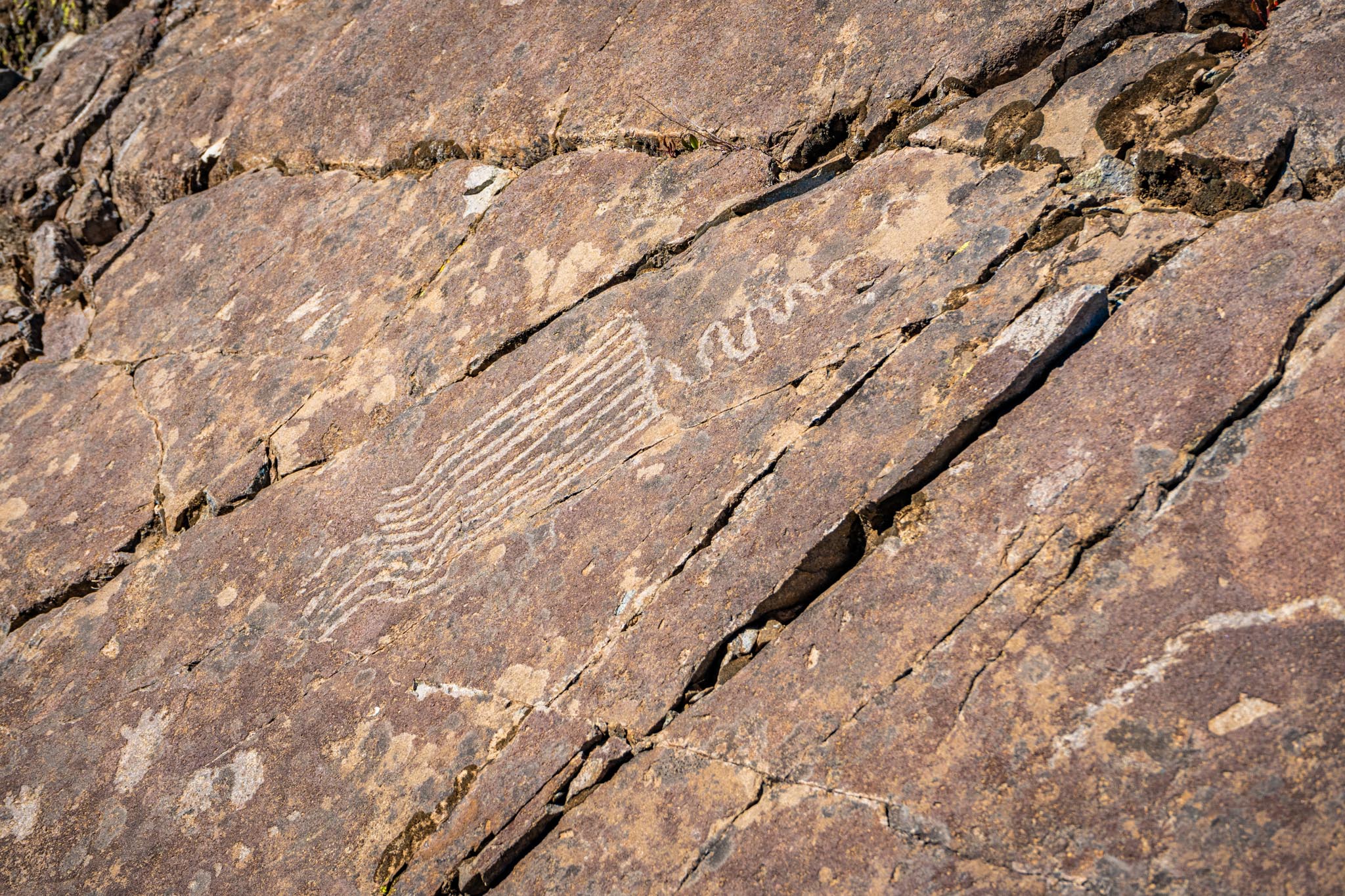
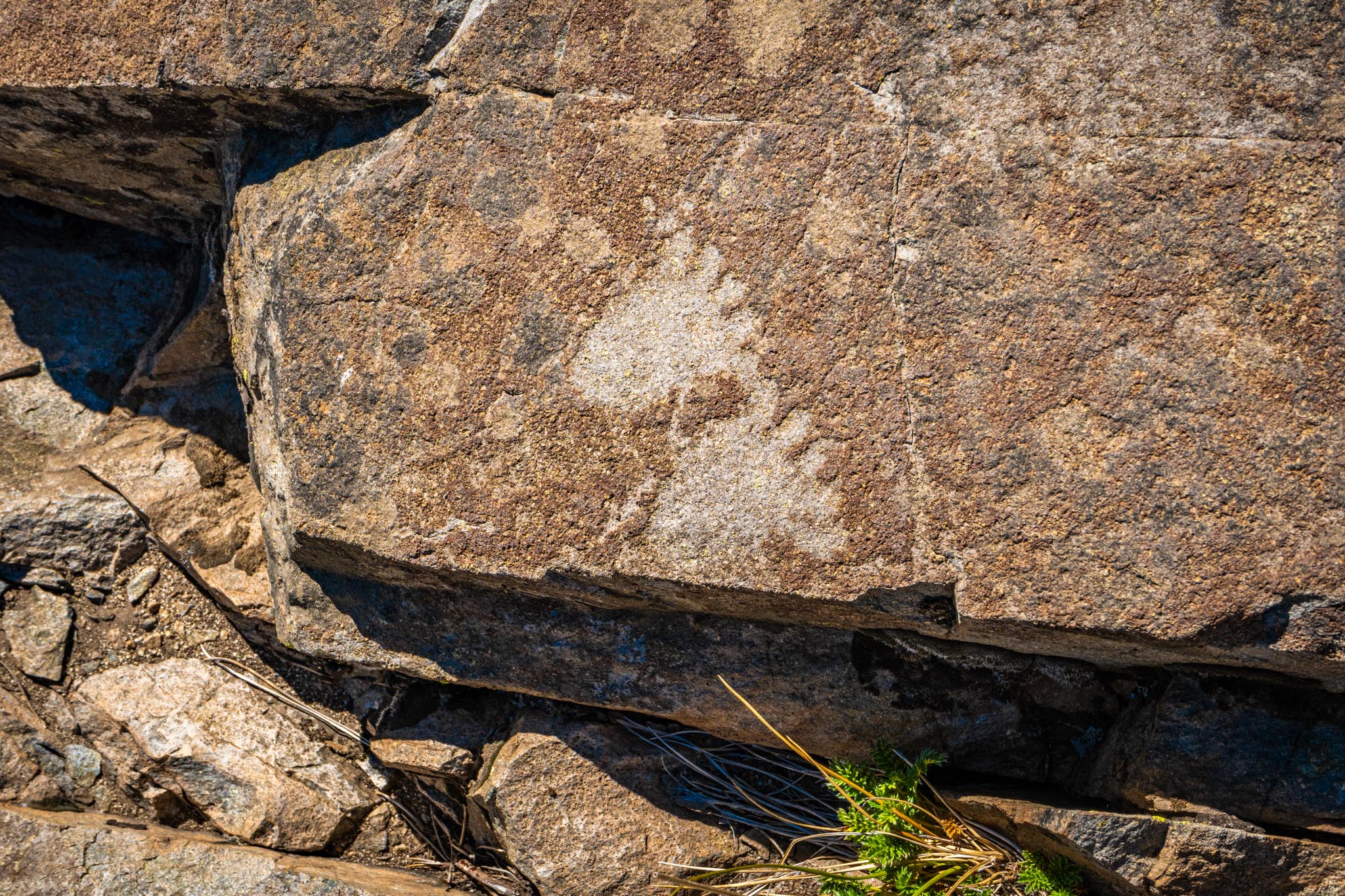
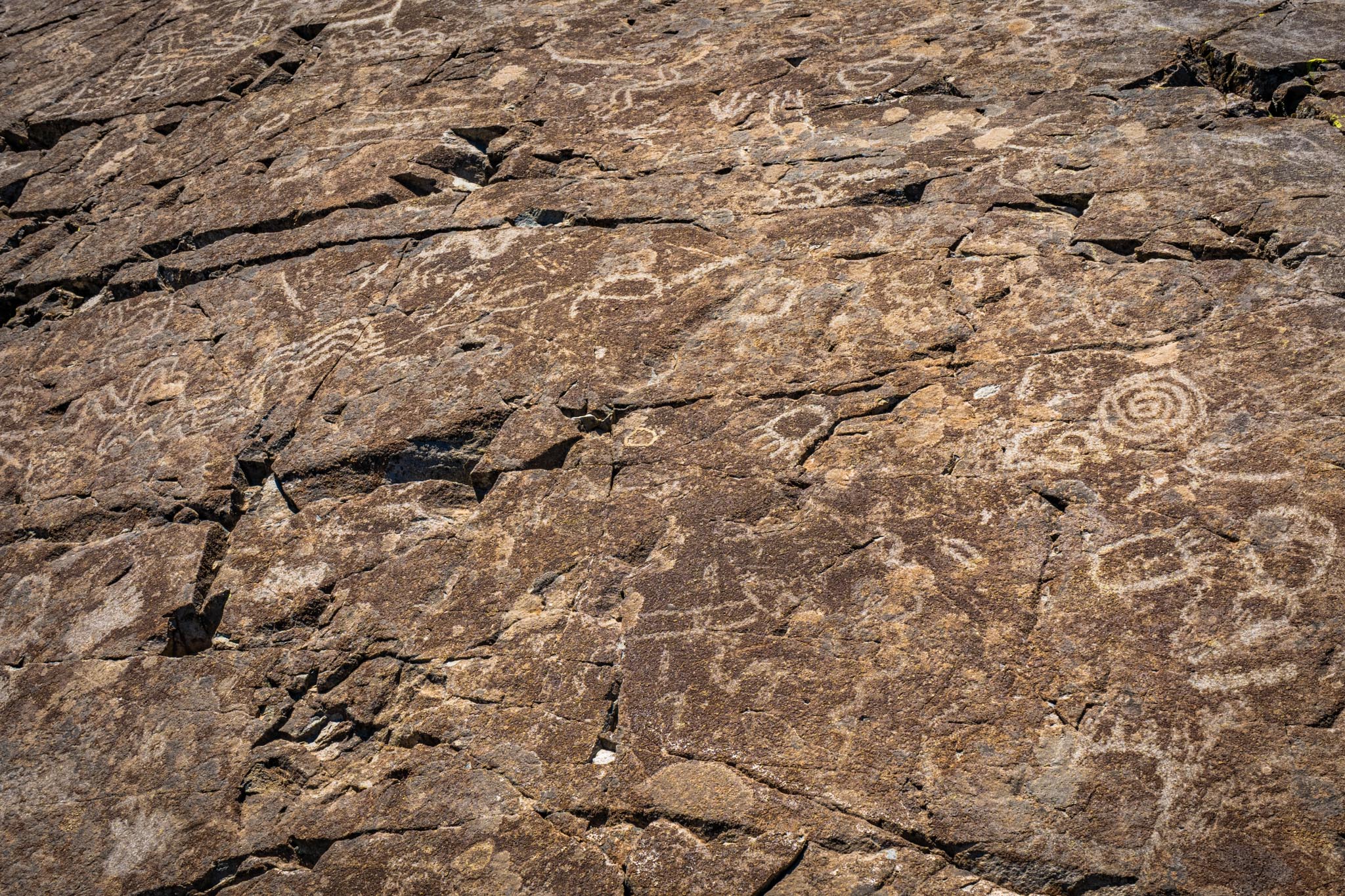
Since petroglyphs are scarce in San Clemente, we show below images of the Calabozos site as a reference. Guaquivilo style, rock art tradition also historically present in the Pehuenche.
MULE DRIVER CULTURE
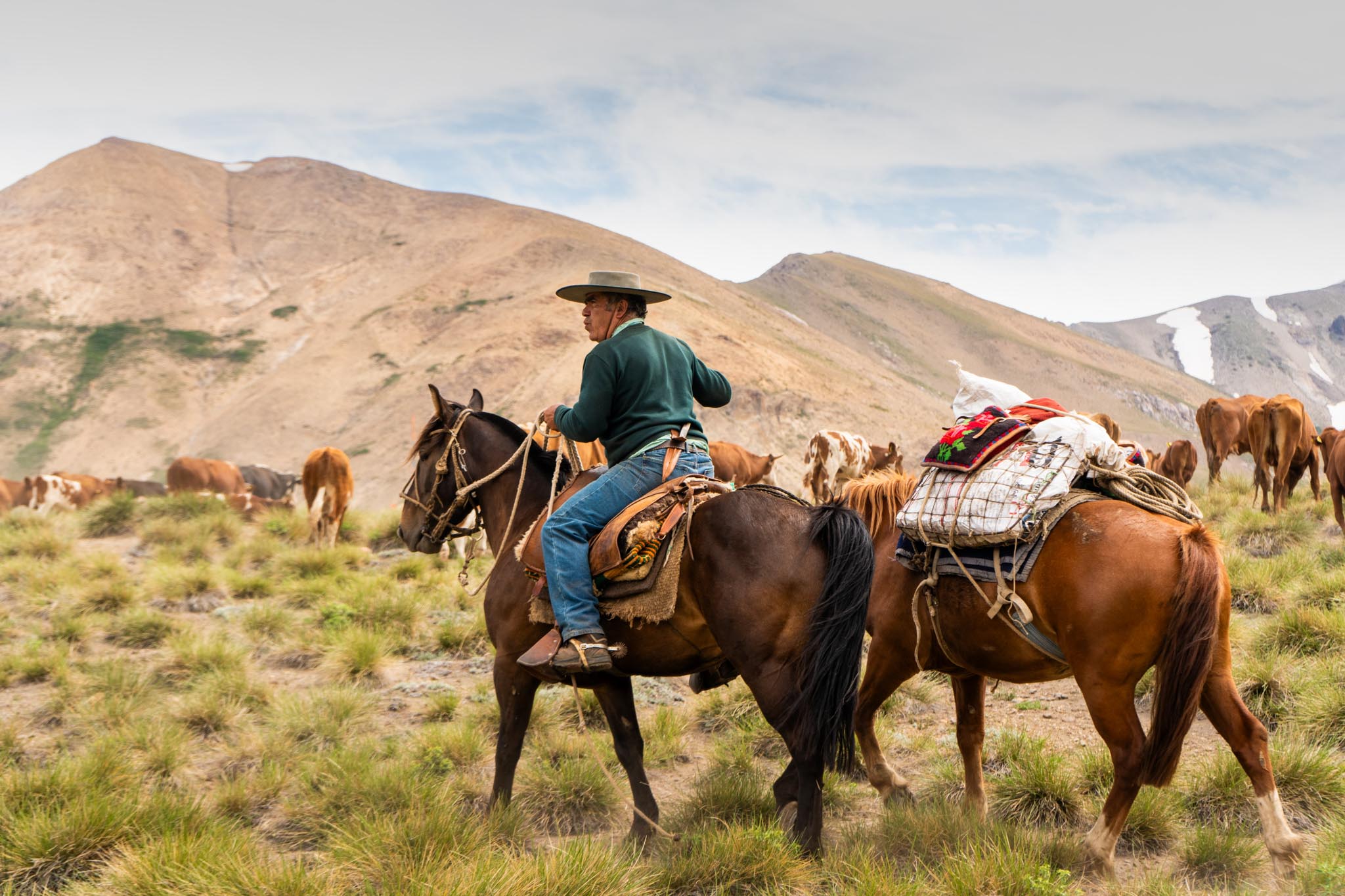
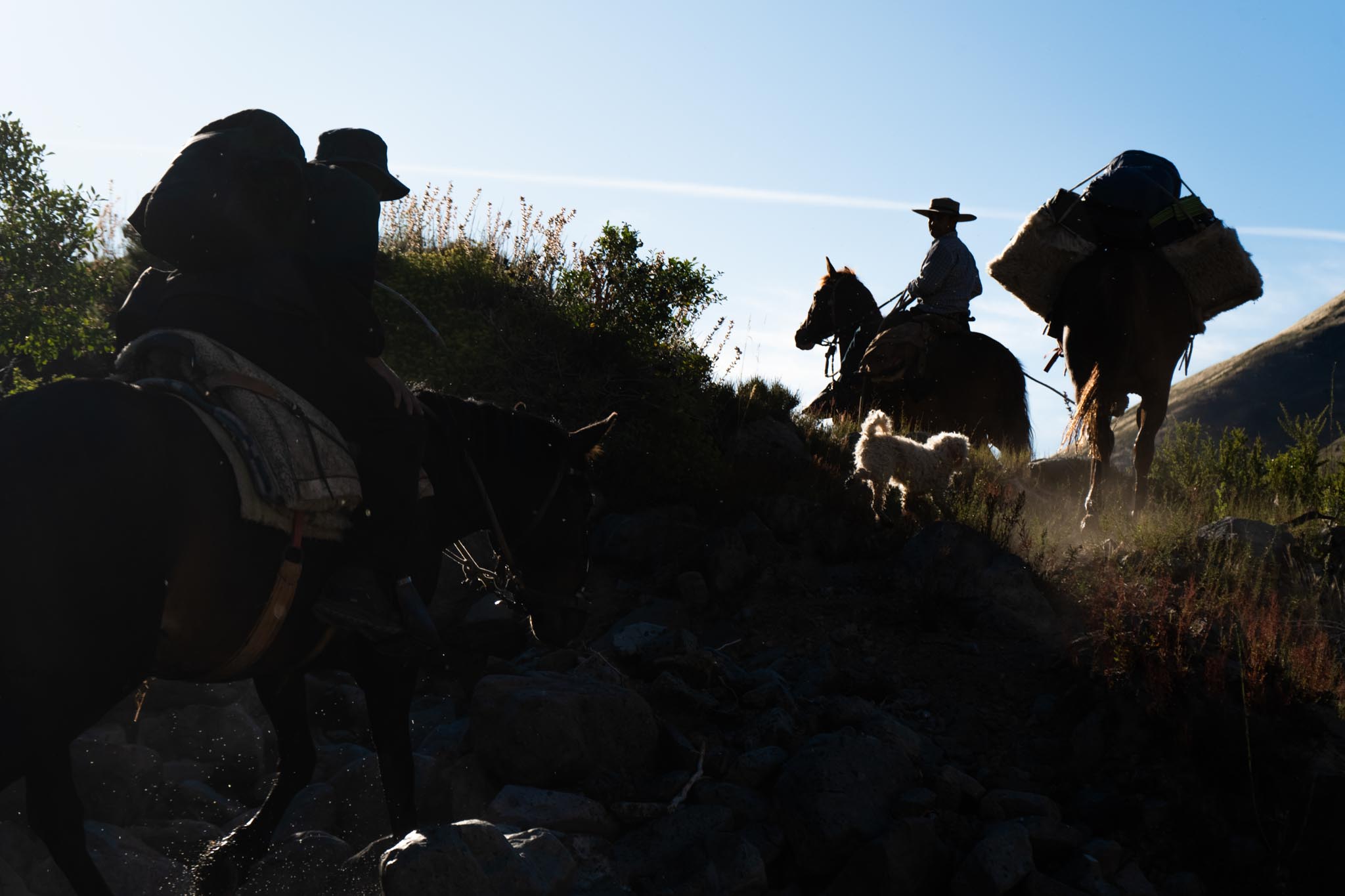
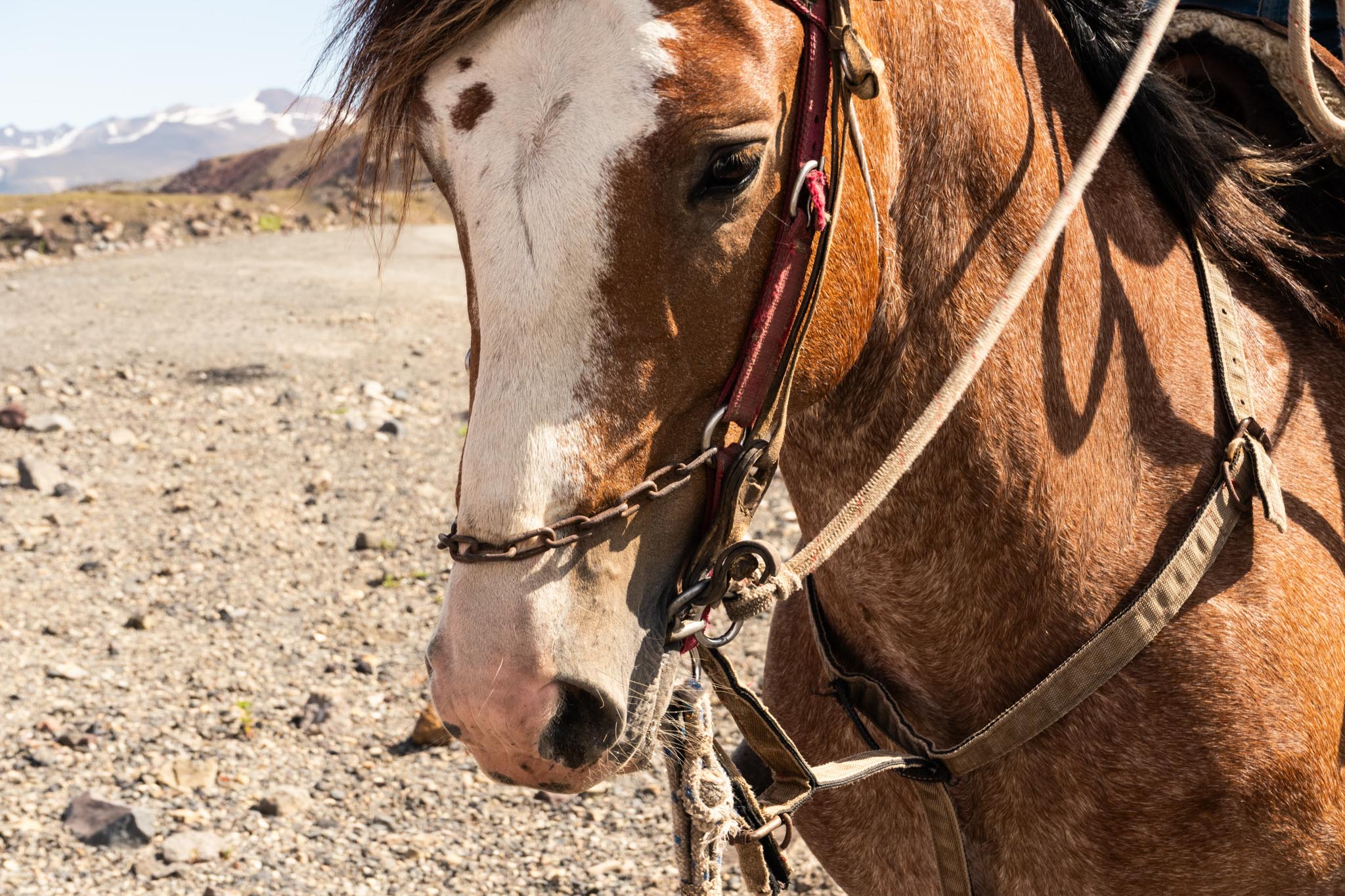
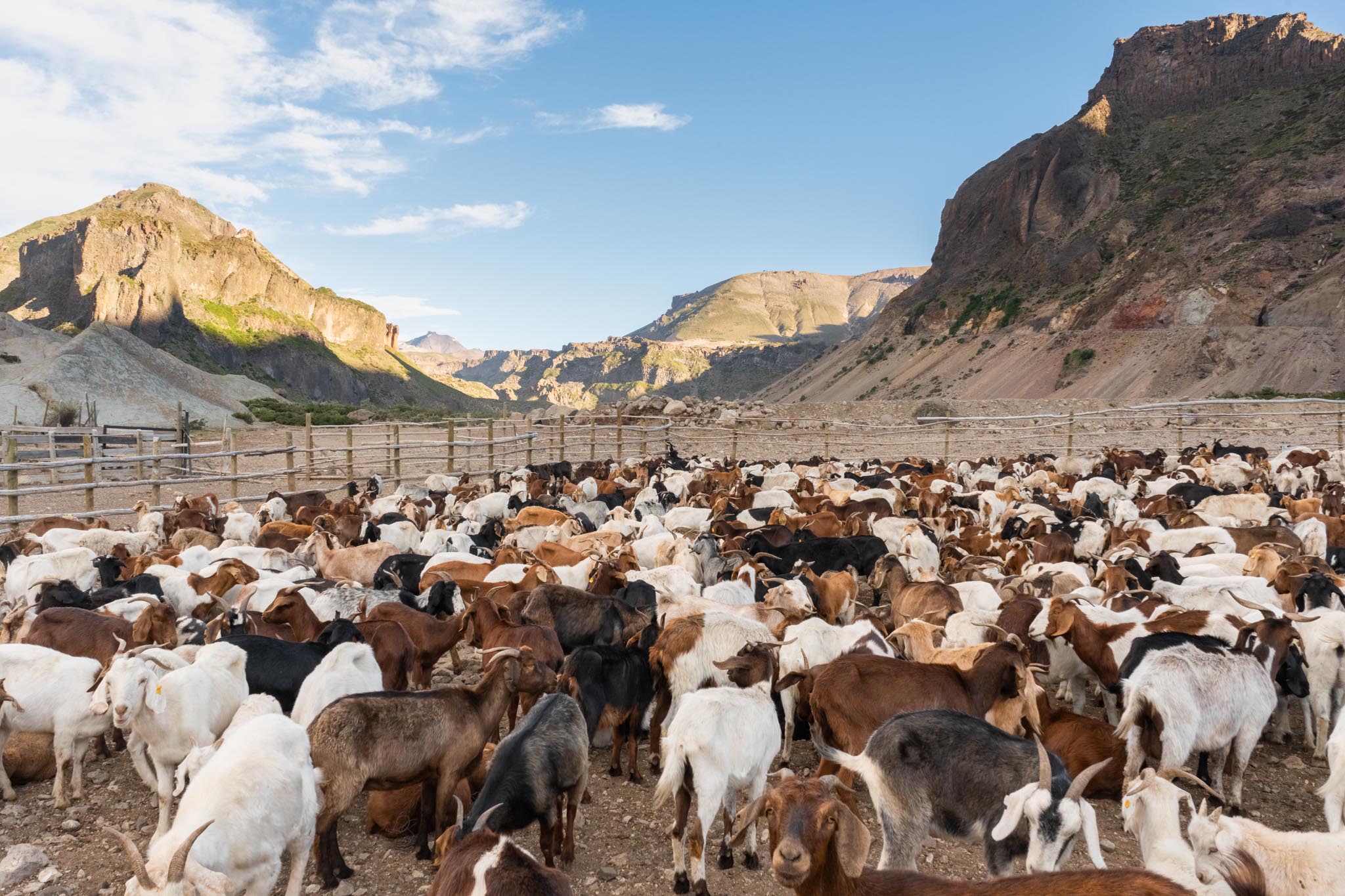
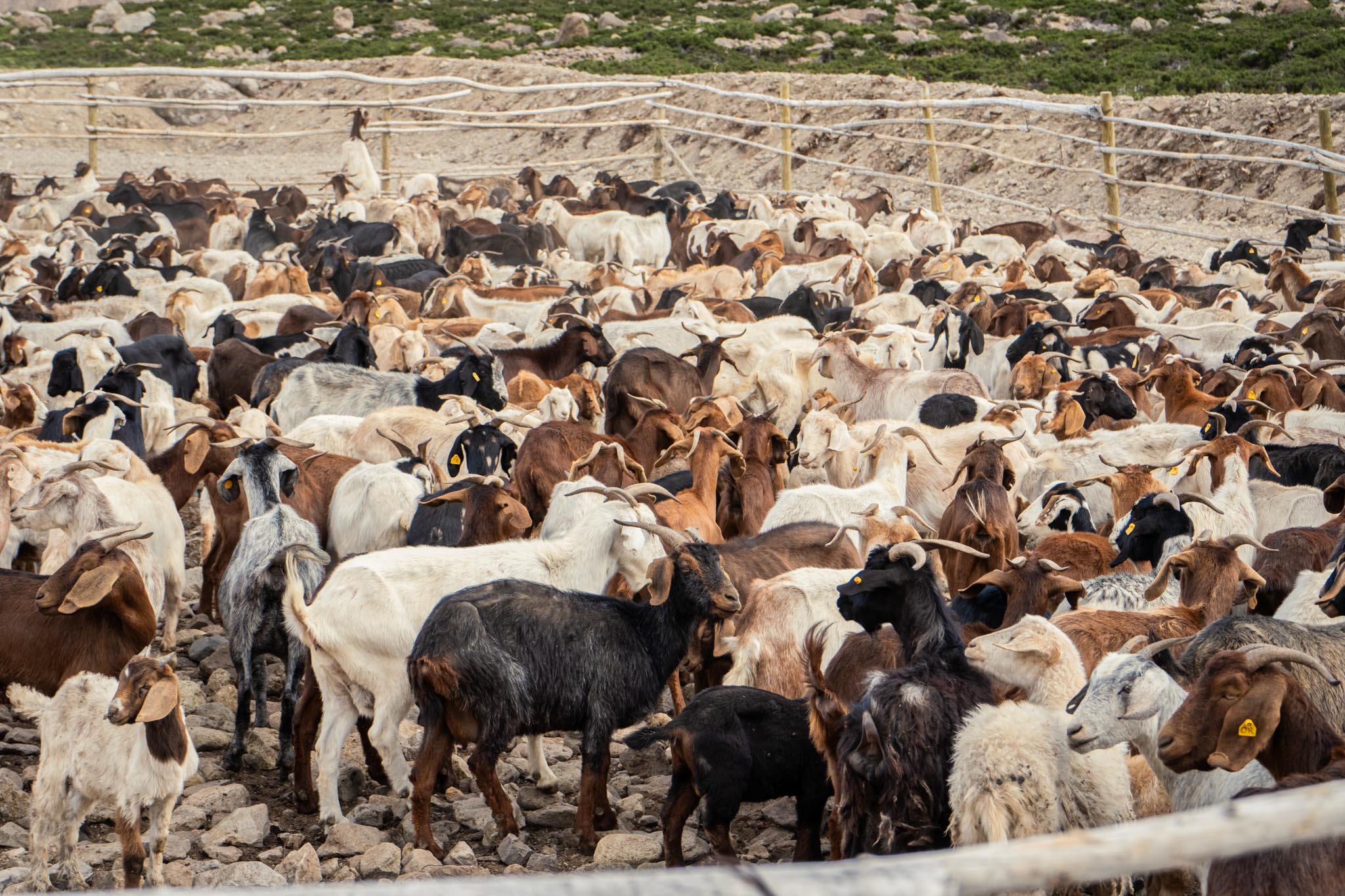
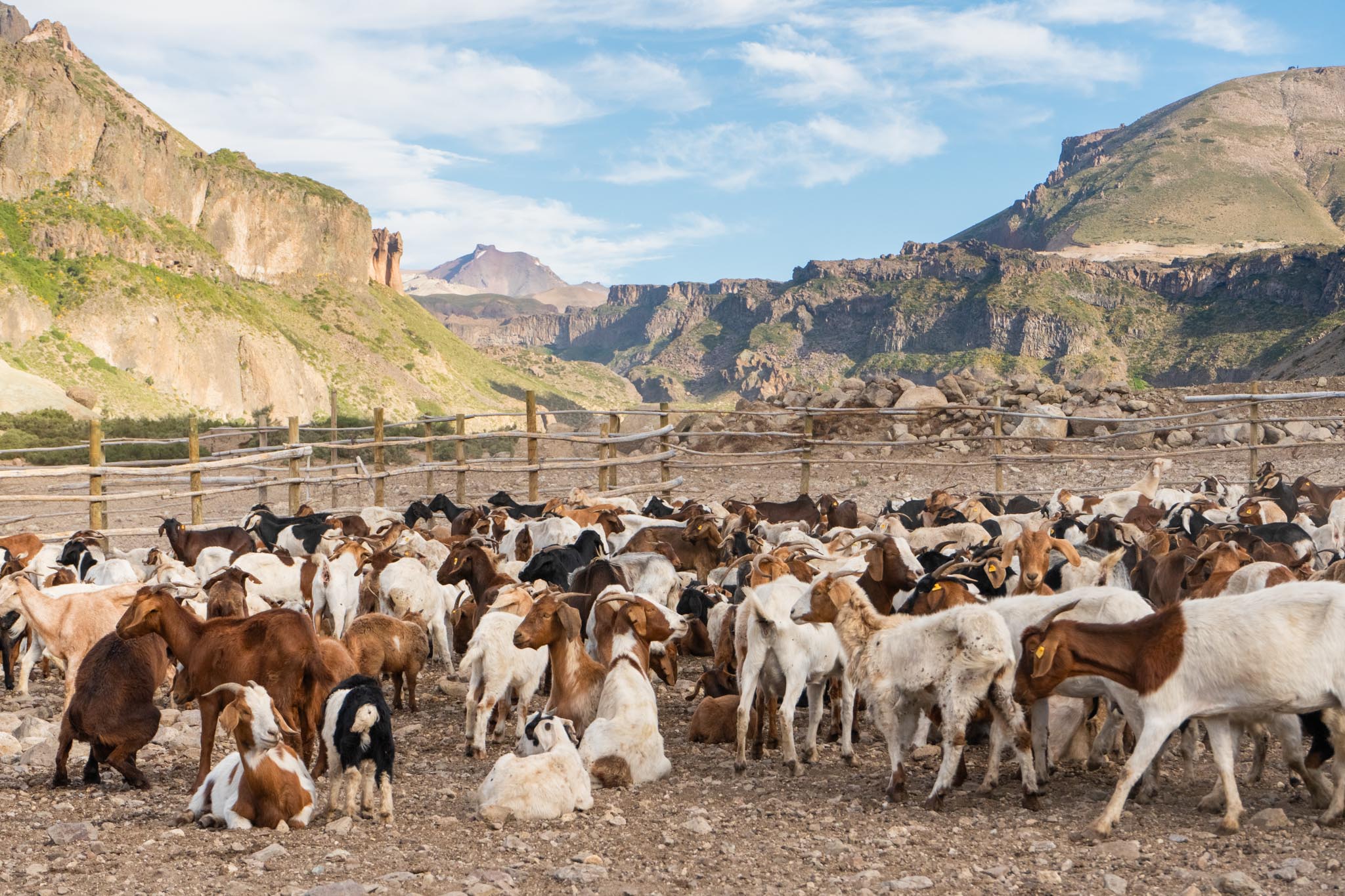
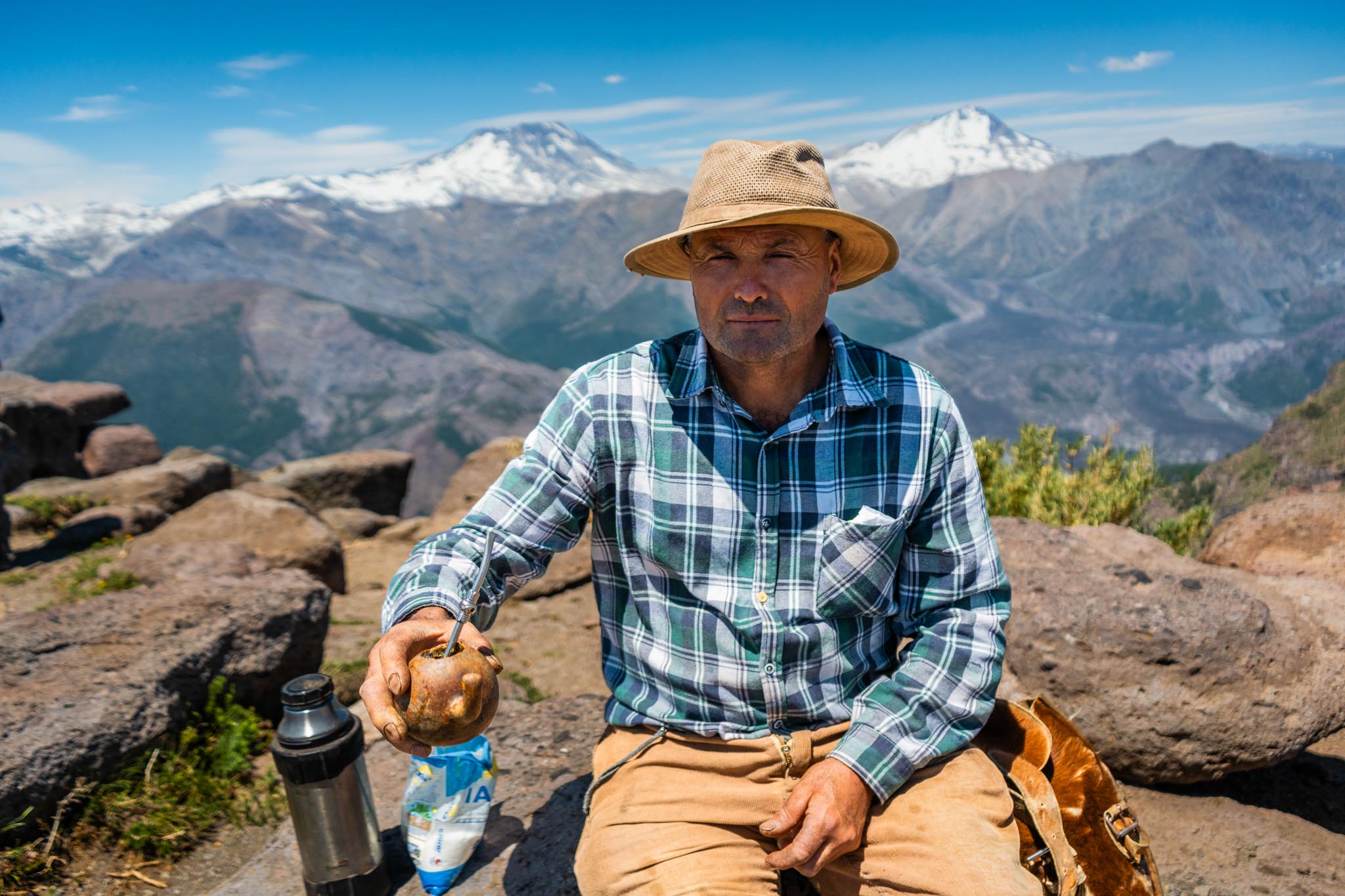
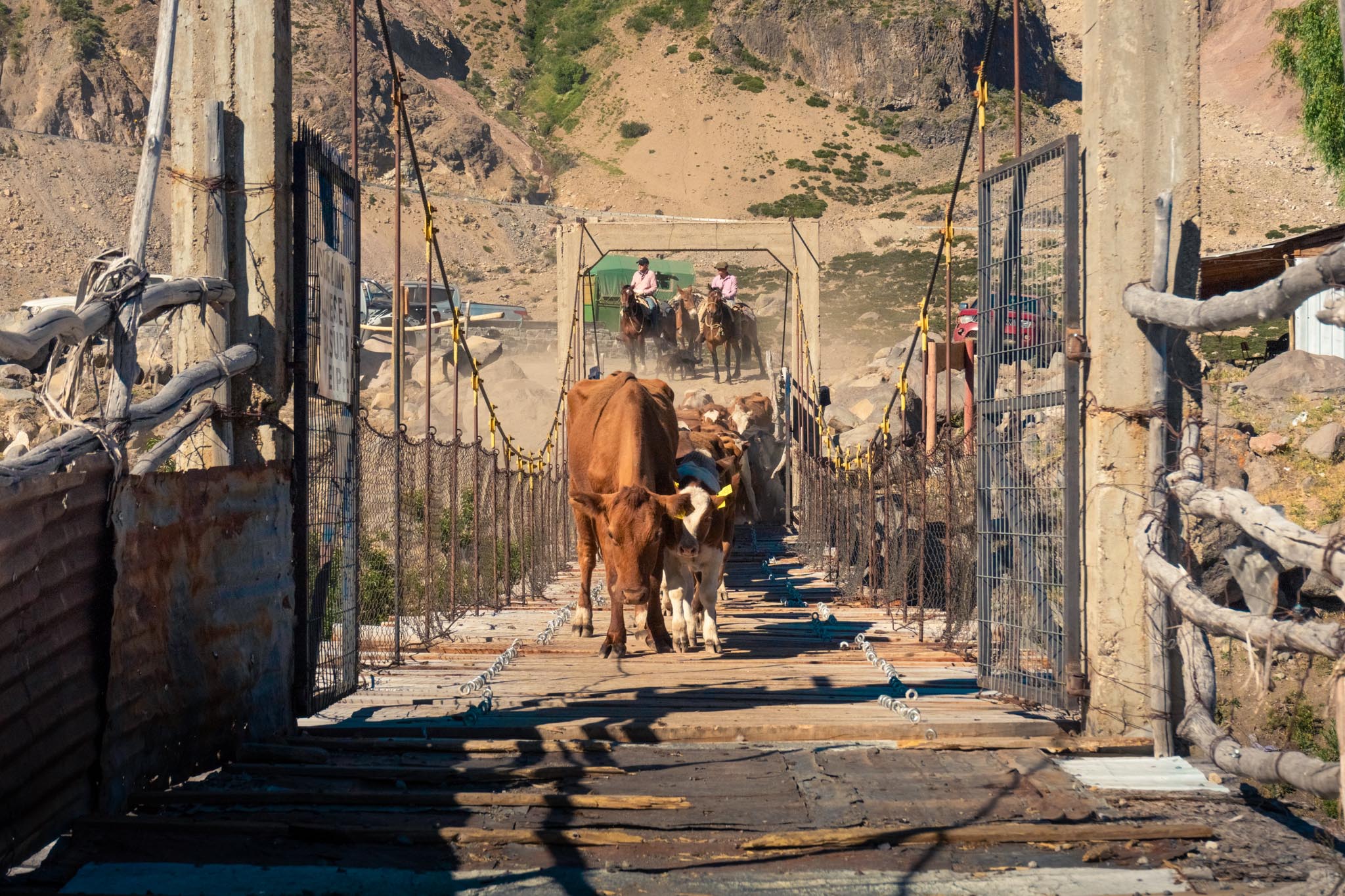
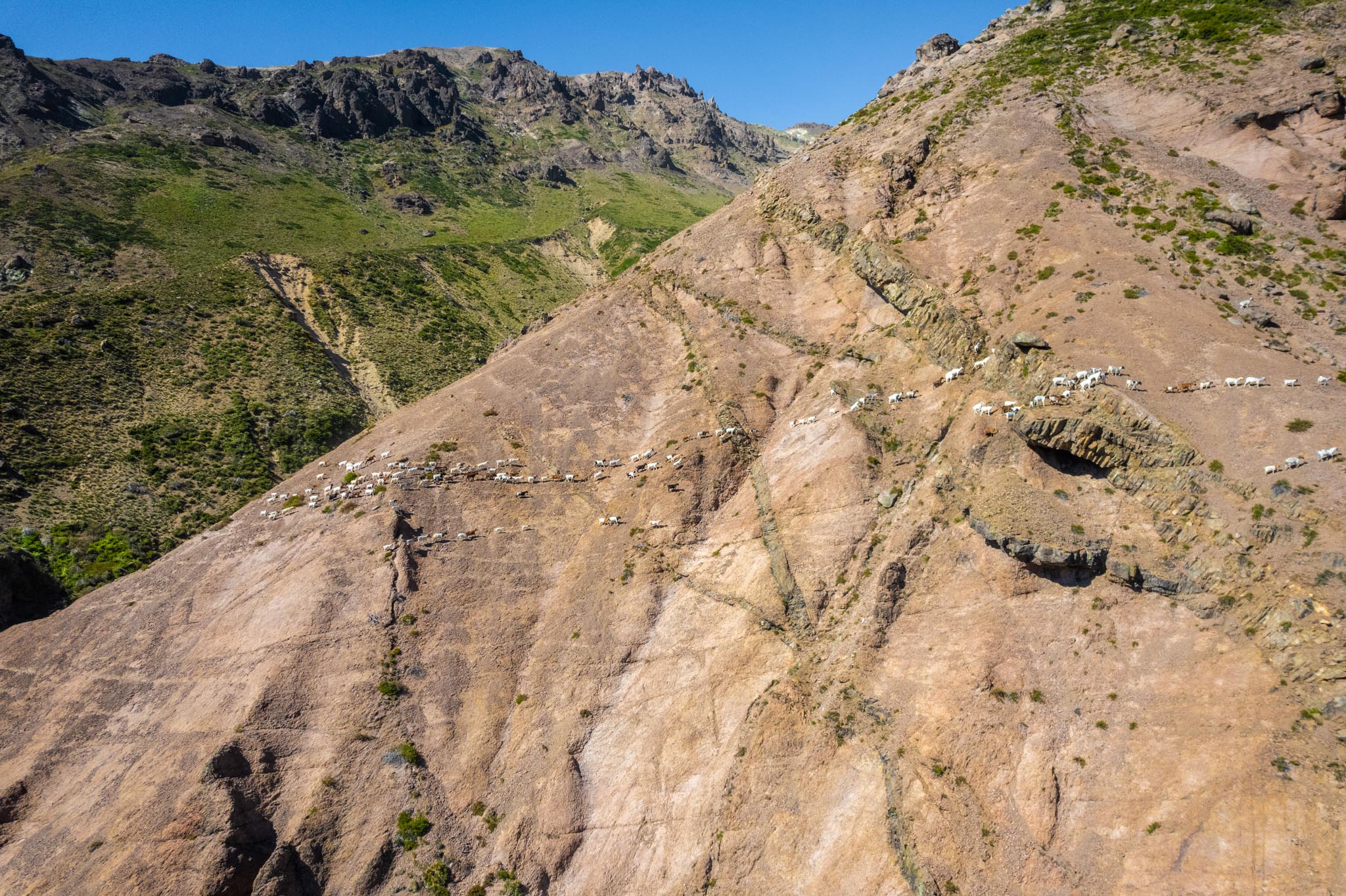
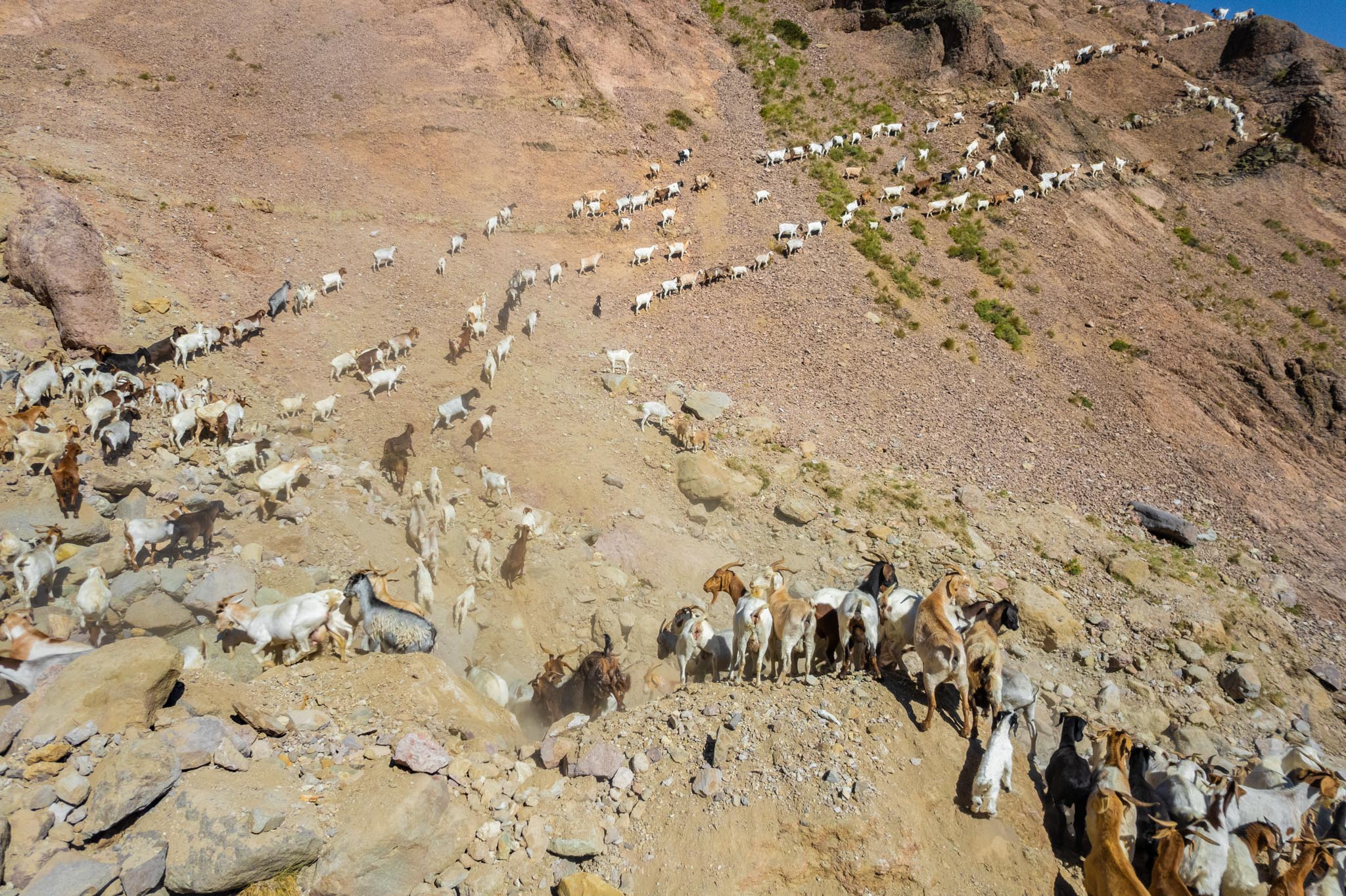
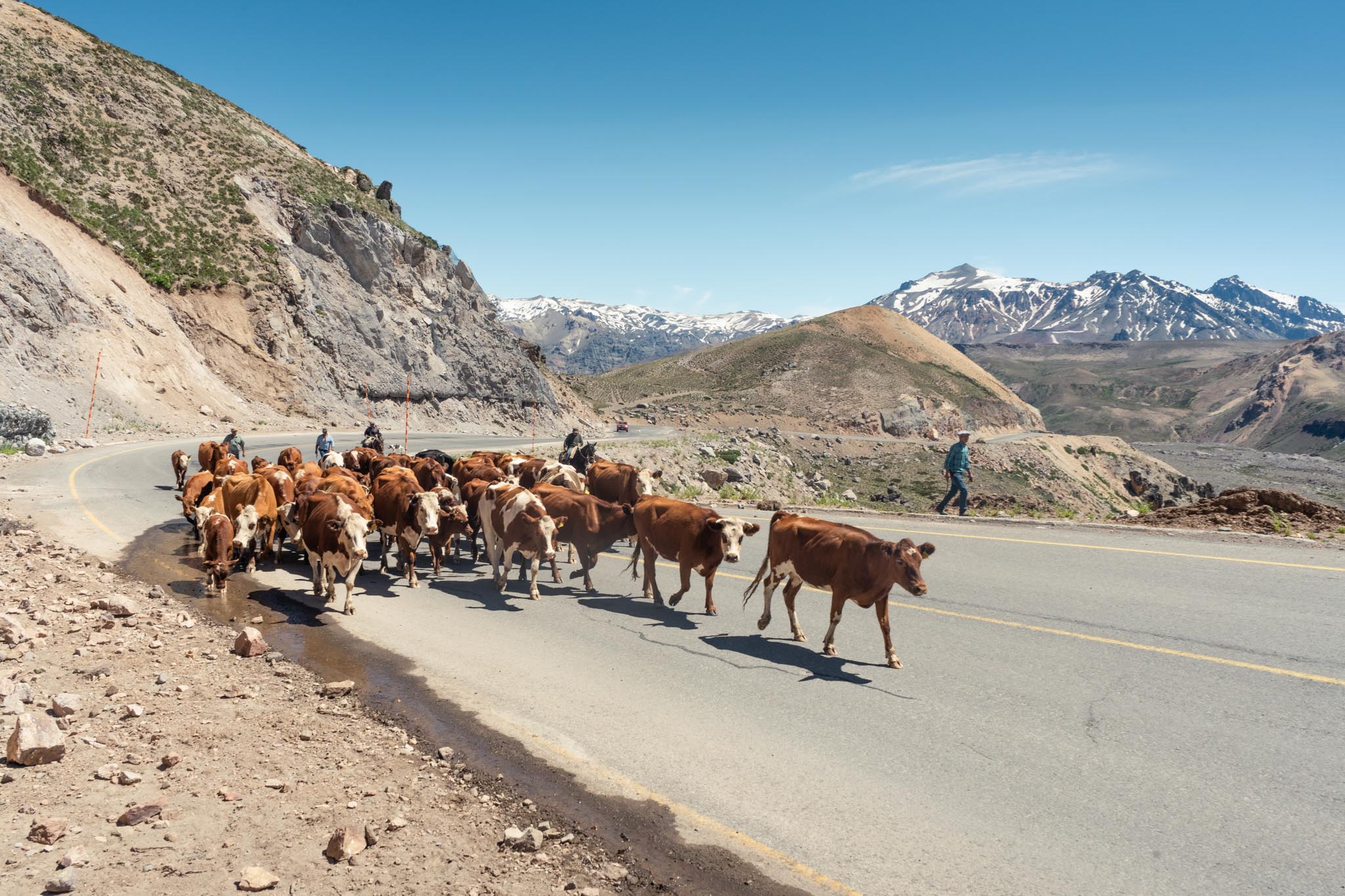
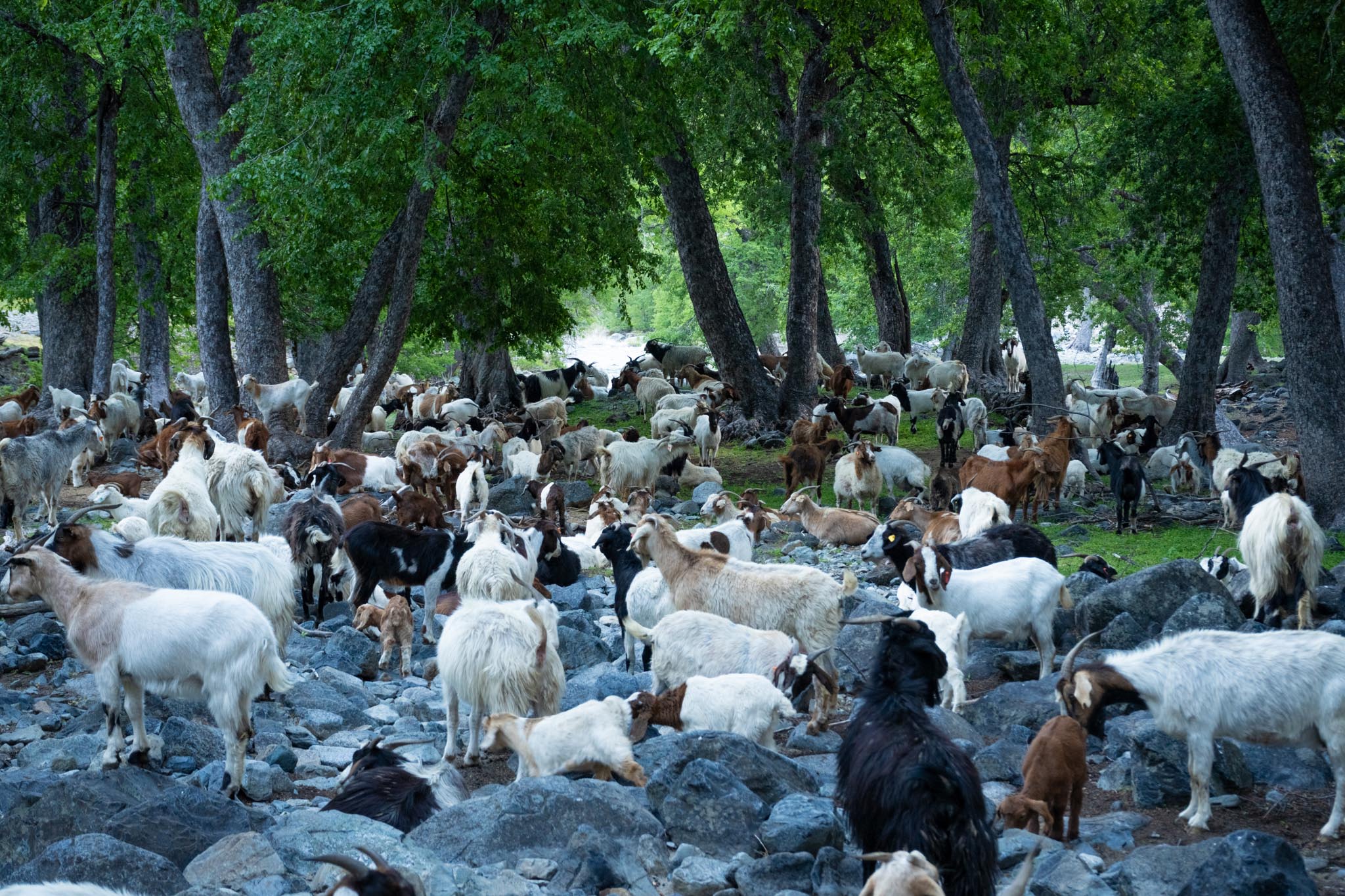
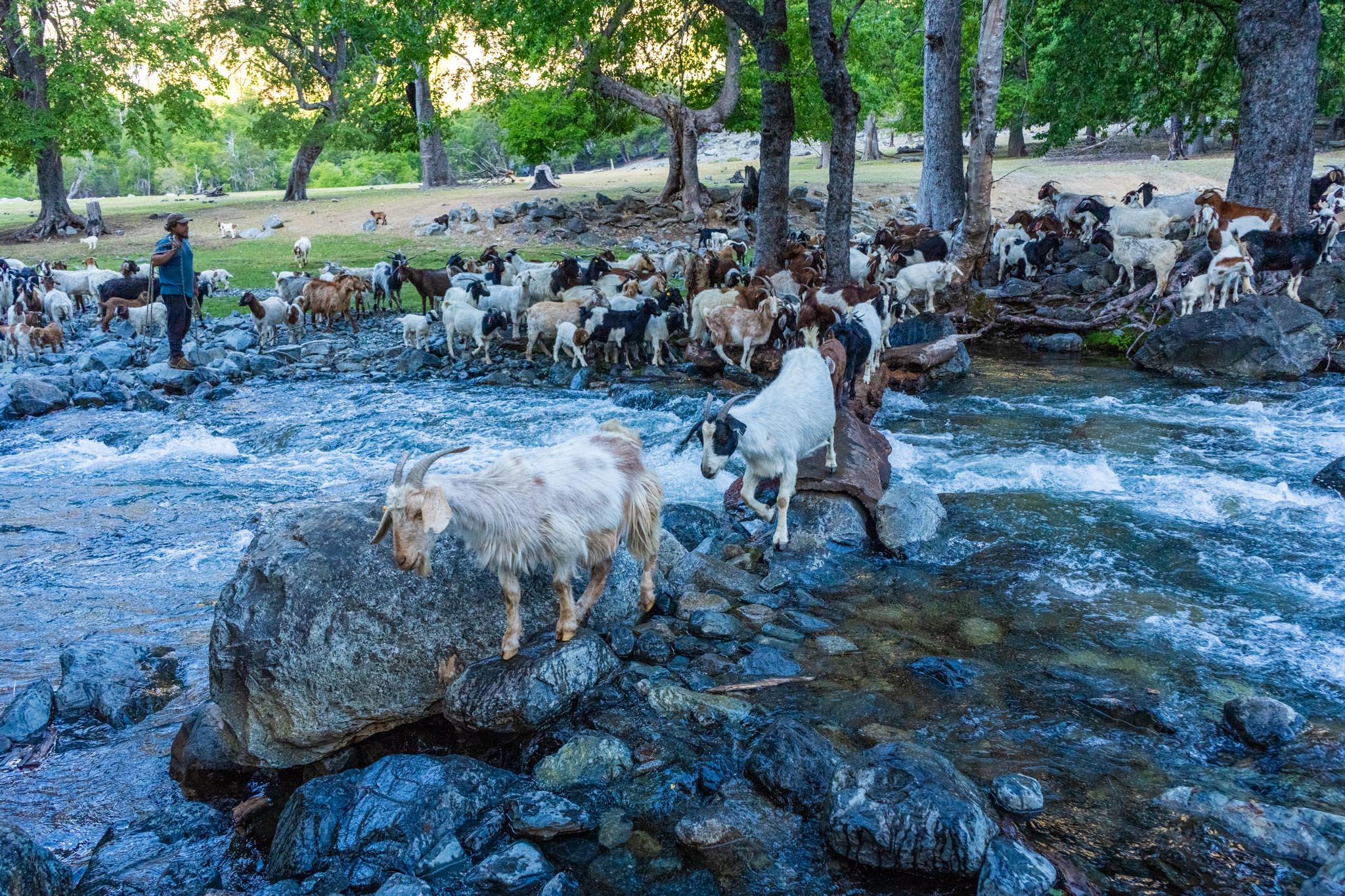
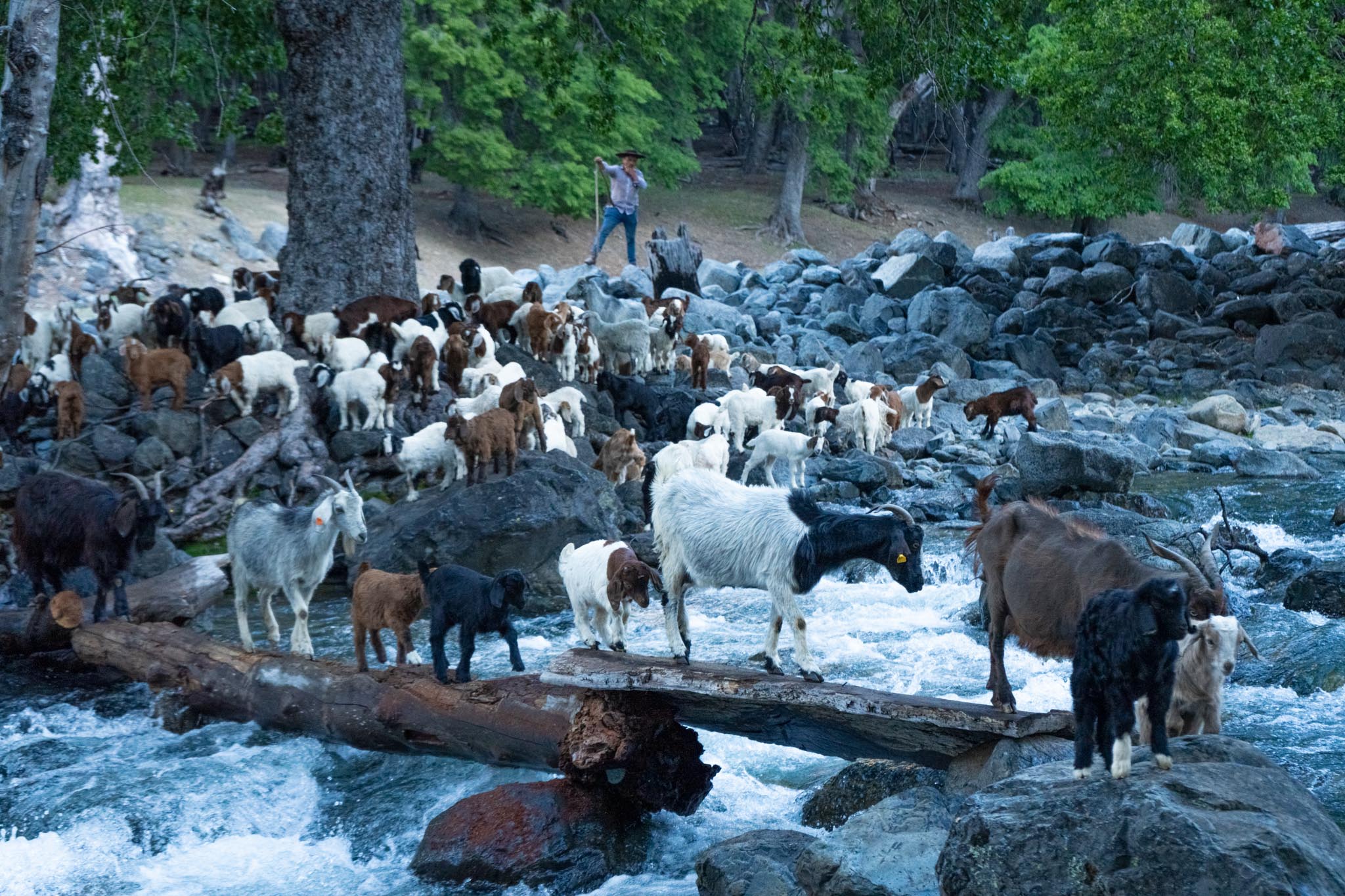
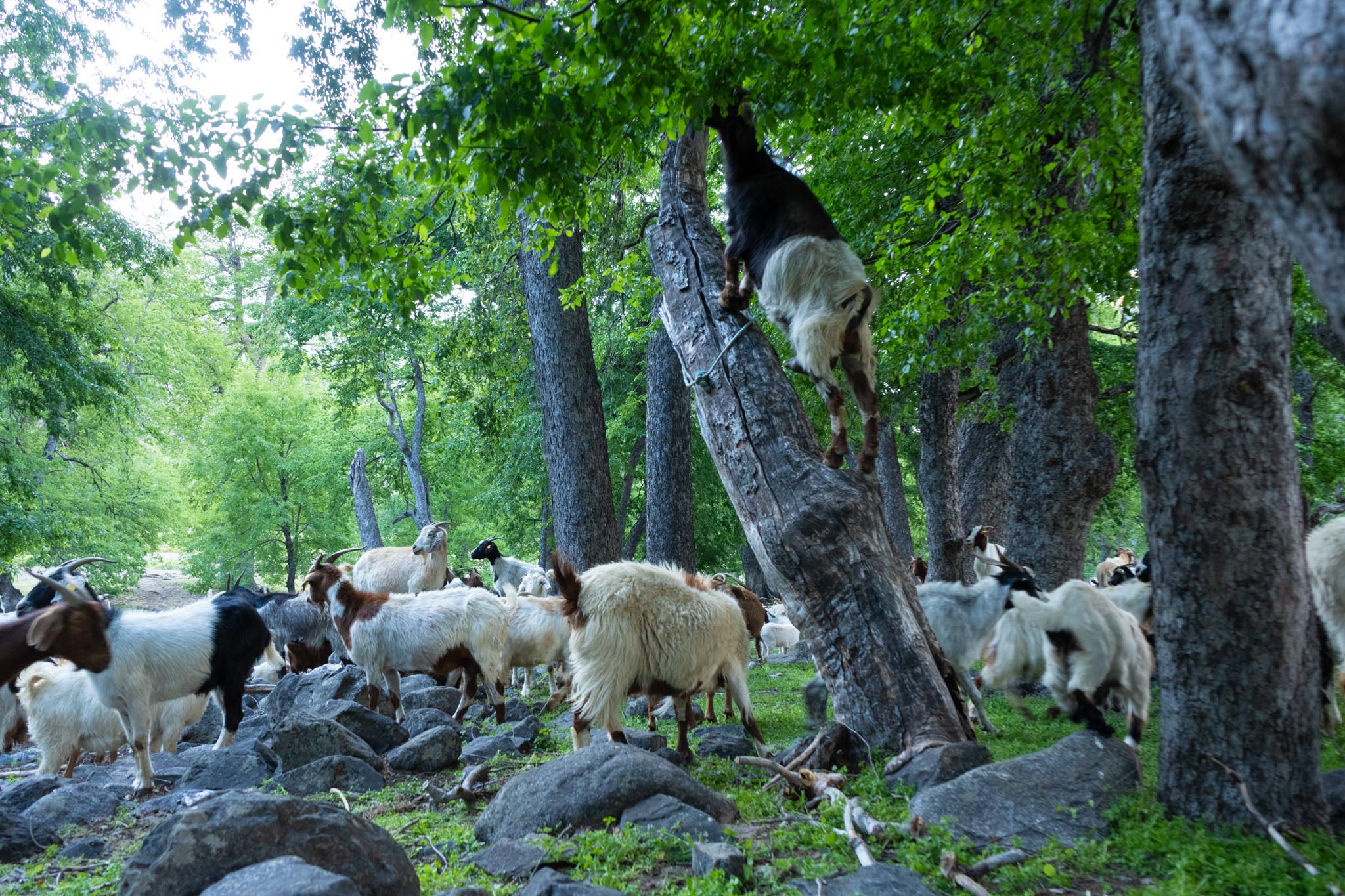
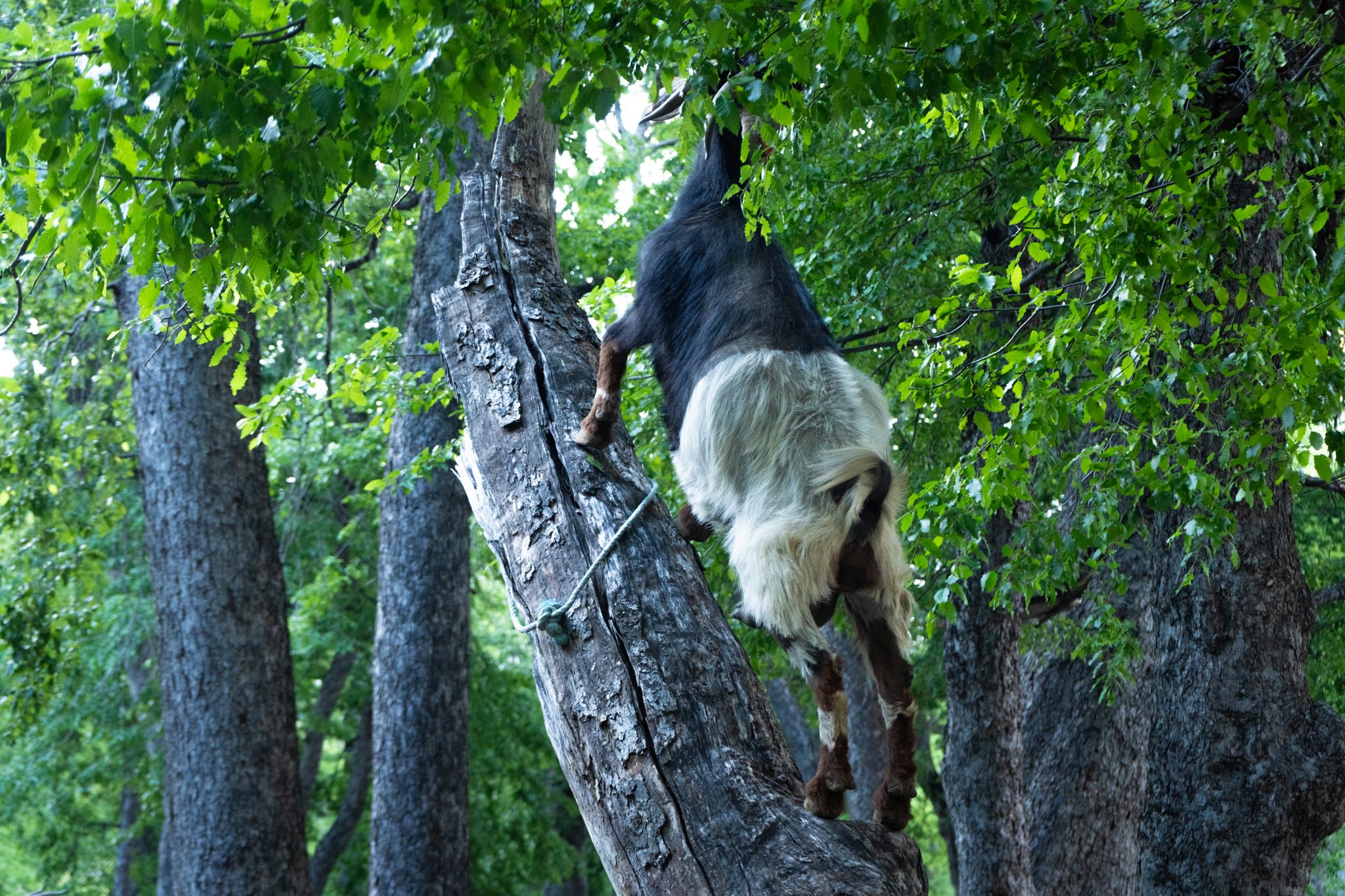
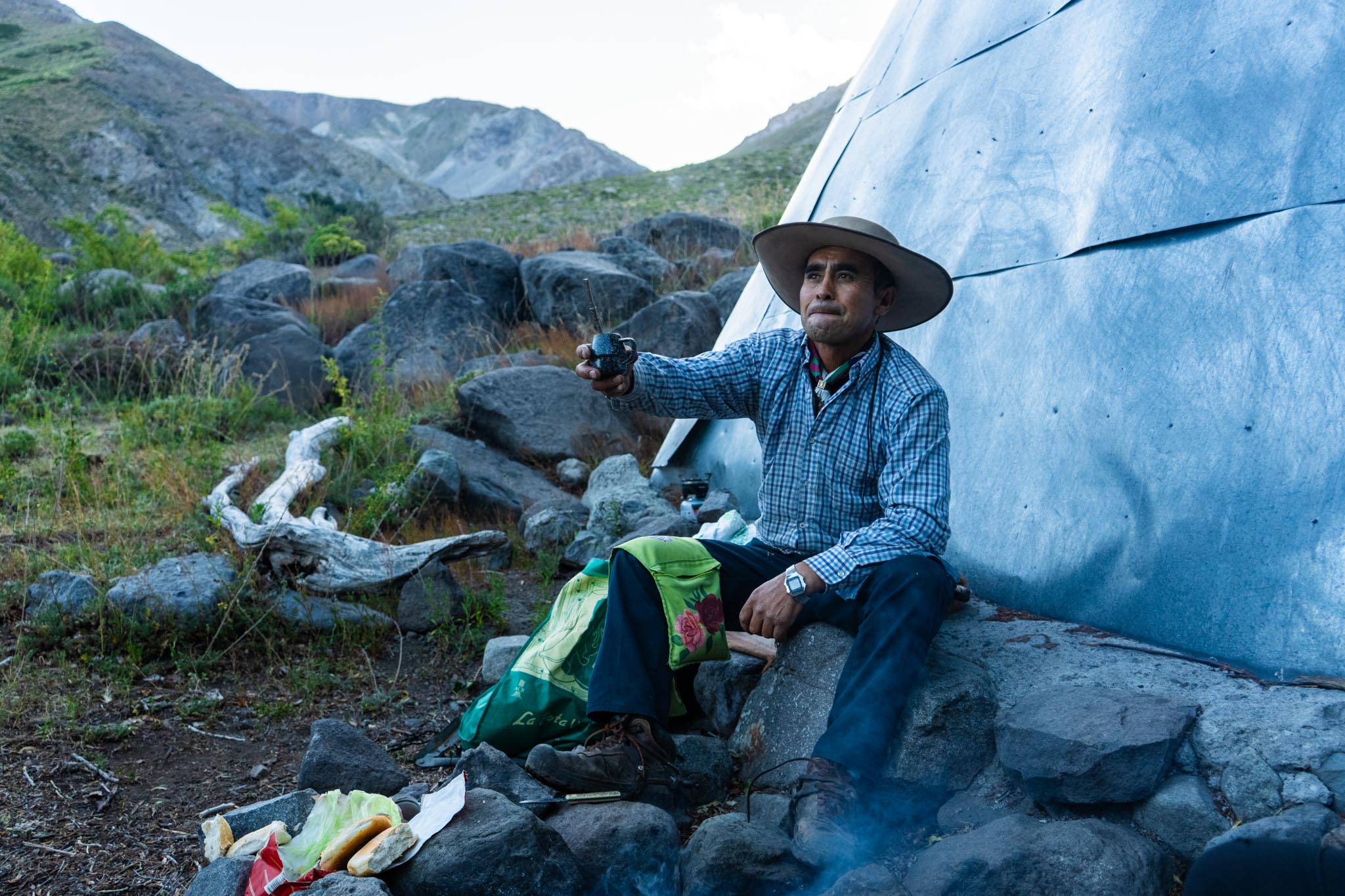
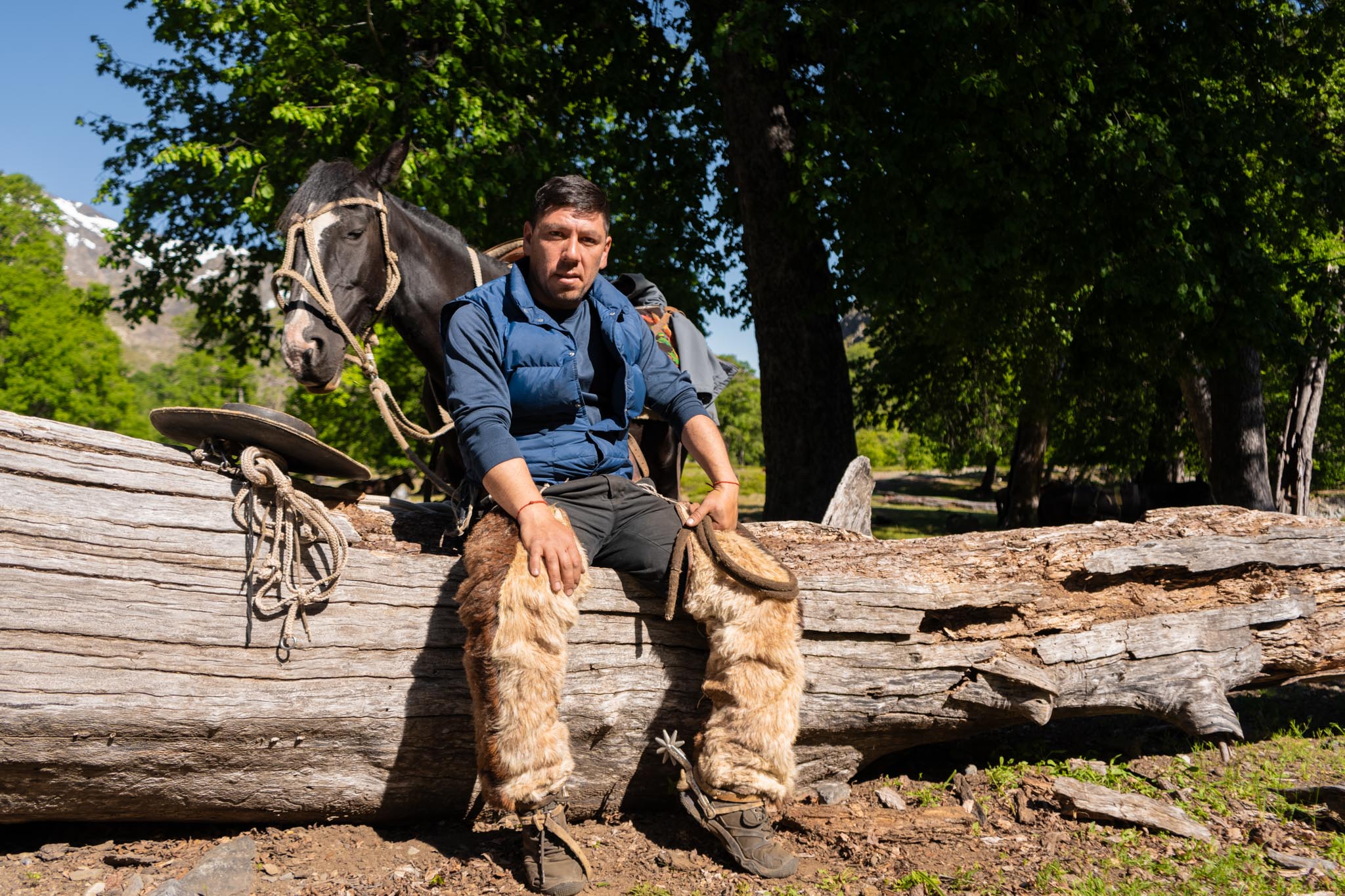
The muleteer culture of the Maule mountain range has roots that go back to the colonial period, When mountain livestock farming and the movement of animals between different altitudes became an essential part of life in the central Andes of Chile, their way of life is based on... migration, This is an ancestral practice in which shepherds move their livestock according to the season, seeking the best pastures and climatic conditions. During the summer they carry out the summer pastures, climbing to the high mountain range to take advantage of the fresh and abundant meadows that appear with the thaw; in winter they descend to lower and more protected areas, known as wintering, where the climate is less harsh and natural refuge exists. This intimate relationship with the land has shaped knowledge, routes, trades, and ways of life that have been passed down from generation to generation.
Current challenges of muleteer culture
The muleteer culture faces a gradual process of disappearance, Threatened by economic, social, and environmental changes that jeopardize one of the deepest traditions of the Maule mountain range. In this context, many muleteers have chosen to become involved, to a greater or lesser extent, with the tourism, Leveraging their deep knowledge of the land, their experience with animals, and their equipment for horseback riding and mountain treks, this activity represents a less demanding and more stable alternative to traditional livestock farming for many, allowing them to keep part of their identity and knowledge alive while adapting to the changes of the present.